

























Is Micron Poised to Follow Nvidia’s Success or Intel’s Path?

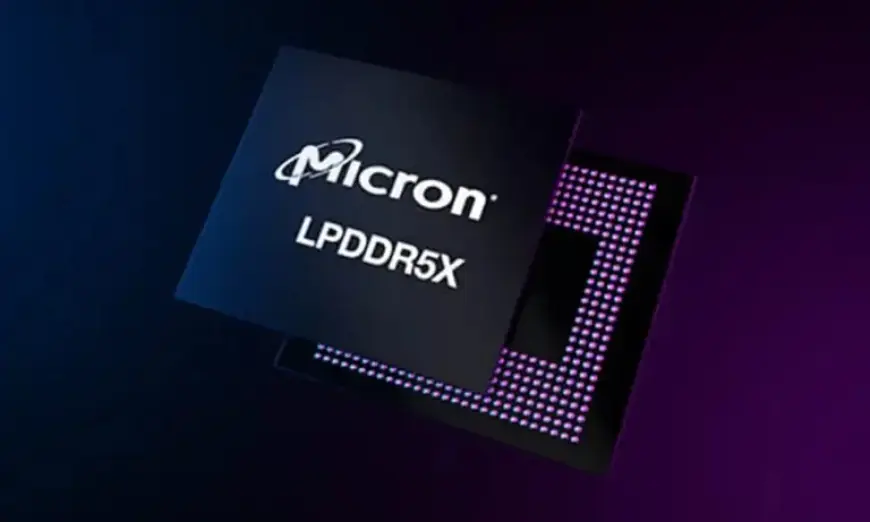
Micron Technology is currently navigating a critical phase in the semiconductor industry, sparking comparisons with major players Nvidia and Intel. Analysts find themselves asking: Is Micron poised to follow Nvidia’s success or Intel’s path? This question could shape investor sentiment and future market strategies.
Recent Performance Highlights
In the first quarter of fiscal 2026, Micron reported a striking revenue increase of approximately 57% year over year. This growth occurred in a quarter that concluded on November 27, 2025. The company’s adjusted earnings surged by 169% to reach $5.5 billion. These figures have drawn parallels to Nvidia’s monumental success in the AI sector.
Micron’s Key Achievements
- Revenue Growth: 57% year-over-year increase in Q1 2026.
- Adjusted Earnings: Increased by 169% to $5.5 billion.
- Market Position: Sold out its high-bandwidth memory (HBM) supply for 2026.
Comparisons with Nvidia
Micron’s recent performance reflects a trajectory similar to Nvidia, particularly in the realm of artificial intelligence. Nvidia has encountered challenges in meeting GPU demands, a situation that Micron mirrors with its HBM products. Nvidia’s CEO, Jensen Huang, acknowledged Micron’s critical role in advancing AI technologies, stating that its high-performance memory is vital for future breakthroughs.
The Intel Parallels
However, Micron also faces potential risks echoing Intel’s declining dominance in the market. Increased competition from companies like Samsung and SK Hynix could threaten Micron’s market share in memory chips. Recent rumors indicated that Micron’s HBM4 chips may not meet Nvidia’s specifications for the upcoming Vera Rubin GPUs, raising concerns about Micron’s reliability as a supplier.
Market Dynamics
- Competitive Landscape: Micron competes with major players like Samsung and SK Hynix.
- Investor Concerns: Fears of a cyclical downturn affecting share prices due to supply and demand imbalances.
Looking Ahead
Micron operates in a cyclical market where fluctuations can significantly impact performance. Currently, its shares are priced at only 11.8 times forward earnings, reflecting investor caution. Despite these challenges, the sustained demand for AI-related products may provide a buffer against past cyclical trends.
Ultimately, whether Micron will more closely resemble Nvidia or Intel remains to be seen. Industry observers believe that if demand continues to outpace supply, Micron could emerge as a formidable player in the semiconductor market.