
















Why James Van Der Beek’s Cancer Fight Left His Family Turning to a Public Fundraiser

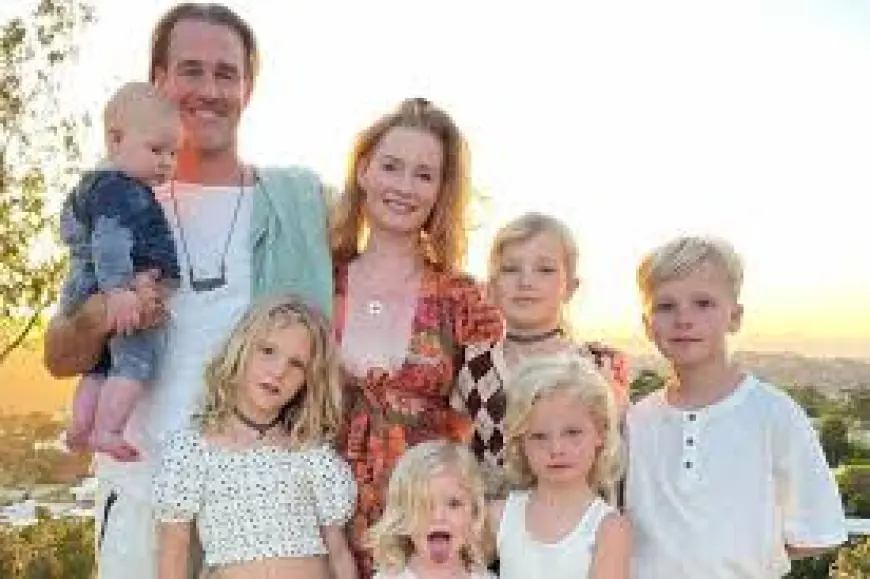
James Van Der Beek, the actor who rose to fame in the 1990s and maintained a steady career in television and film, died on Wednesday after a three‑year battle with colorectal cancer. In the months before his death he and his family publicly shared how the cost of care had depleted their resources, prompting a high‑profile fundraising effort that has drawn millions in donations and widespread attention to gaps in how performers and many Americans are protected from catastrophic medical expenses.
Medical bills, diminished residuals and continued work
Van Der Beek’s family revealed that the cost of treatments proved financially draining. The household — which includes his wife and six children — launched a public fundraising campaign that has so far raised roughly $2. 3 million. The actor continued to work after his diagnosis, appearing in two episodes of a 2025 television project, and he also sold long‑held memorabilia from his most famous roles in an effort to cover expenses.
Those moves exposed a broader problem many performers face: earnings from earlier success do not always translate into long‑term security. Van Der Beek has said he received minimal pay for his breakout series and that his contract did not provide meaningful residuals when episodes were re‑aired or monetized. Residuals once offered a steady income stream for many television actors; the shift in how shows are distributed and monetized has reduced or eliminated those payments for a generation of performers.
Health insurance eligibility and industry safety nets
Industry rules for union health coverage require a substantial threshold of work: performers must either reach a minimum number of covered work days in a year or earn a specified amount on eligible projects to qualify. That threshold can leave actors who work intermittently — even if they remain visible in smaller roles or guest spots — without comprehensive union health benefits. The combination of expensive treatment, spotty work and limited residual income can quickly drain savings and put families at risk of losing their homes.
Van Der Beek’s efforts to raise money included auctioning items tied to his most recognizable roles, from a tartan shirt worn in the pilot of his breakthrough series to memorabilia related to a popular 1999 sports drama. Auction proceeds and public donations became a practical necessity as insurance limitations and treatment costs mounted.
A wave of donations — and what it reveals
The family’s public fundraiser attracted a mix of large and small gifts from friends, colleagues and fans. Individual notable contributions included a six‑figure gift from a prominent director and additional donations from fellow actors and industry figures. Some donors offered recurring support, and corporate partners also contributed. The visible generosity underscores both the solidarity that can appear in crisis and the randomness of relying on charity to meet basic living and medical needs.
Van Der Beek’s case has reignited conversations about how performers are compensated over the long term, the erosion of residual revenue in the streaming era, and the fragility of healthcare coverage for those who do not meet eligibility thresholds for union plans. Beyond the entertainment world, it has highlighted the precarious position many Americans face when confronted with serious illness: even households with prior public success can be pushed into fundraising to cover care and stay afloat.
As the family continues to grieve and manage practical affairs, the fundraiser stands as both a lifeline and a public reminder that fame does not guarantee financial resilience in the face of prolonged medical costs.