Satellite Megaconstellation Expansion: Is Space Debris a Threat to Earth?

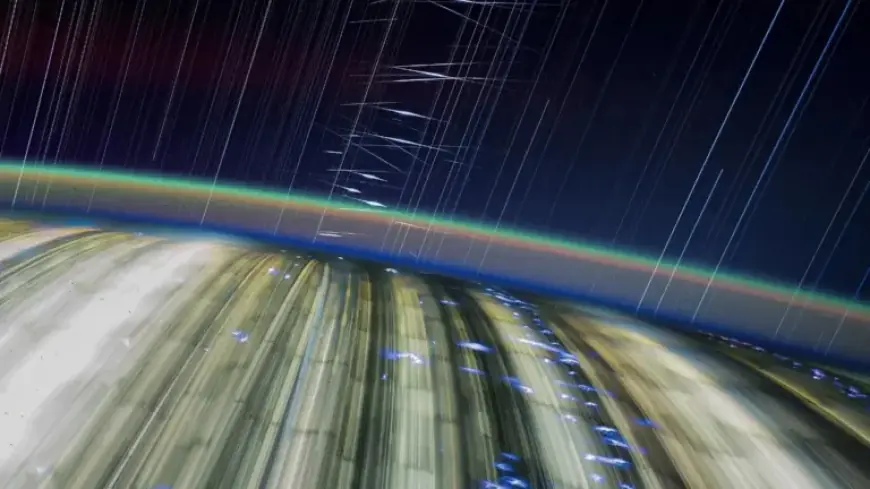
As satellite megaconstellations expand rapidly, researchers are examining the potential risks posed by their reentry into Earth’s atmosphere. A recent study conducted by a team of Canadian researchers from the University of British Columbia sheds light on the possible dangers associated with these megaconstellations.
Understanding the Risks of Satellite Megaconstellation Expansion
The study analyzes eleven different satellite megaconstellations, which collectively encompass around 73,369 satellites. The results indicate a 40% cumulative risk of ground casualties if these satellites fail to completely disintegrate during reentry.
The Mechanics of Satellite Reentry
Current scientific understanding of how satellites incinerate upon reentry remains imperfect, as explained by researcher Ewan Wright. He emphasized that even small debris from satellites can pose significant risks, especially when thousands are launched in megaconstellations. The study explores what occurs if the minimum lethal quantity of debris survives intact during reentry.
- Materials with low melting points, like aluminum, are likely to burn up completely.
- Metals such as stainless steel, tungsten, and titanium have higher chances of surviving.
When a satellite descends into the atmosphere, it breaks apart due to aerodynamic forces, generating fine particles from the extreme heat. However, many larger satellites do not disintegrate entirely, leading to possible risks for people and infrastructure on the ground.
Surviving Debris and Uncontrolled Reentries
The uncertainty surrounding how fully satellites can disintegrate complicates risk assessment. Most existing regulations focus on individual satellites and fail to address the cumulative effects of multiple launches. When satellite operators do not execute controlled reentries, surviving debris can be scattered over extensive areas.
The Potential Dangers
- Increases the risk of ground casualties and accidents involving aircraft.
- Potential for infrastructure damage and airspace closures.
Researchers also pose an essential question: Is there a need for such an extensive number of satellites? They suggest that designing smaller constellations with fewer, more efficient satellites could drastically lower risks and extend operational life.
Recommendations for Future Action
The study concludes with several recommendations aimed at mitigating risks associated with satellite reentry:
- Implement independent verification of claims regarding complete disintegration of satellites.
- Evaluate collective casualty risks from entire constellations.
- Transition towards an equitable global regime for controlled reentry.
These findings were published on February 6 in the journal Space Policy under the title “Satellite megaconstellations and collective casualty risks.” They underscore the need for heightened oversight and improved safety measures as satellite megaconstellations continue to proliferate.