


















IOC’s Ban on Ukrainian Athlete Exposes Double Standards

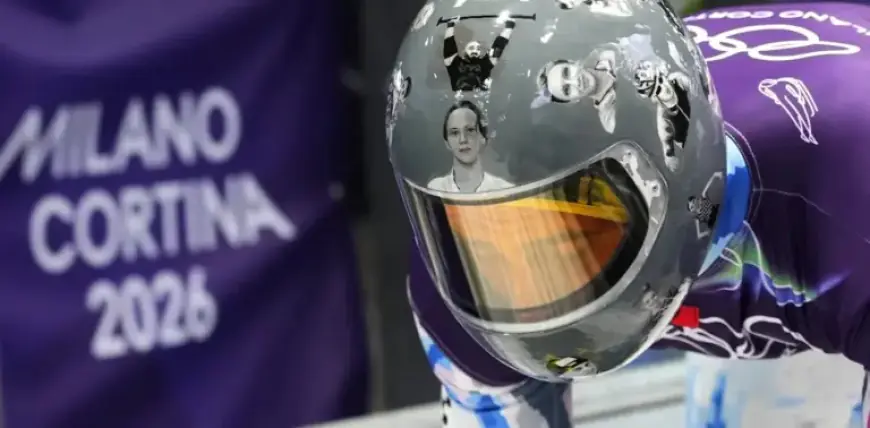
The recent decision by the International Olympic Committee (IOC) to ban Ukrainian skeleton athlete Vladyslav Heraskevych has ignited discussions about the double standards in the Olympic movement regarding political expression, neutrality, and human rights. Heraskevych faced reprimand for wearing a helmet that honored Ukrainian athletes who lost their lives during the ongoing conflict with Russia.
Ban on Vladyslav Heraskevych
On February 12, the IOC officially prohibited Heraskevych from competing, stating he had violated the guidelines on athlete expression. The helmet prominently featured the images of fellow athletes who died due to Russia’s invasion of Ukraine, which the IOC disregarded as a political statement.
Context of the Conflict
Since Russia’s invasion in February 2022, nearly 15,000 Ukrainian civilians have been killed, and over 40,000 injured according to the United Nations High Commissioner for Human Rights. In the past four years, more than 450 Ukrainian athletes have also perished due to the conflict.
Neutrality in Sports
- The IOC’s Rule 50 prohibits political, religious, or racial propaganda.
- This rule is meant to maintain the neutrality of sports during the Olympics.
Critics have described the IOC’s decision as discriminatory and inconsistent with its own enforcement of policies, highlighting that Italian snowboarder Roland Fischnaller displayed a Russian flag despite existing bans.
Contradictions in IOC Policy
The IOC initially banned Russian athletes from competing under their national flags but later allowed some to participate as neutral competitors. This inconsistency has provoked backlash, particularly for those with ties to the ongoing conflict.
The Limits of the Olympic Truce
The Olympic Truce, dating back to ancient Greece, aims to foster peace during the Games. However, critics argue that the IOC often fails to translate this ideal into practice, prioritizing its apolitical image over genuine humanitarian efforts.
Double Standards in Human Rights
The IOC’s approach raises issues about whose human rights are prioritized. For example, calls for the expulsion of Israel from the Olympics due to military actions against Palestine have received little response from the IOC, while actions against Russia are more pronounced.
- Human Rights Watch and Amnesty International have described Israeli actions as genocidal.
- Majority of the IOC’s inaction towards Israel contrasts with its bans on Russian athletes.
These contrasting stances highlight the IOC’s ongoing struggle with the implications of neutrality, raising questions about its commitment to human rights globally. Athletes like Heraskevych demonstrate the need for awareness of international atrocities while competing on the grand stage of the Olympic Games.