















What the SAVE America Act would change about voting in the U.S.

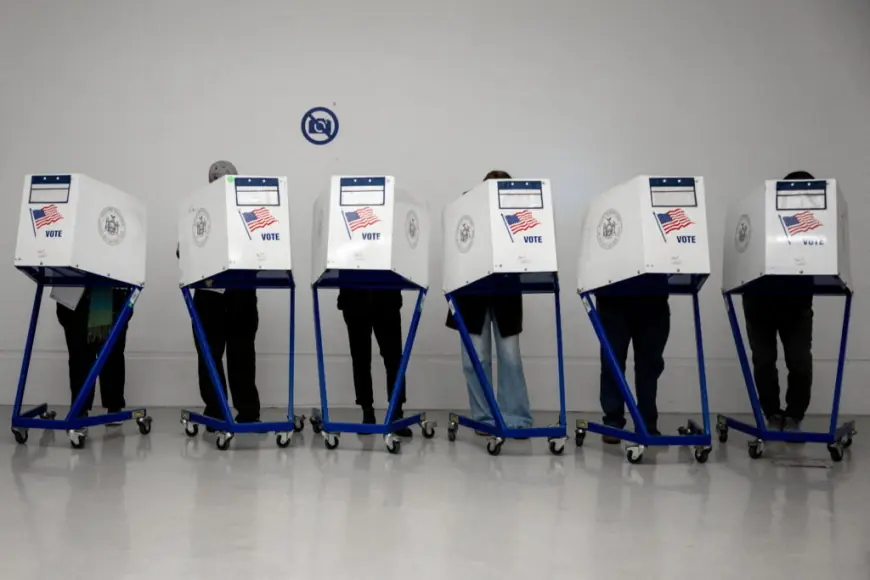
The Republican-controlled House passed the SAVE America Act in a 218-213 vote on Wednesday night ET, sending a Trump-backed package of voting rules to the Senate. Supporters say the measure tightens election security; opponents call it an effort that would disenfranchise eligible voters and federalize election administration.
What the bill would require
At its core, the SAVE America Act would require documentary proof of U. S. citizenship to register to vote in federal elections. In practice, that would mean many registrants would need to present documents such as a passport or birth certificate when signing up. The bill also would require government-issued photo identification to cast a ballot in person and would place new ID requirements on absentee voting: a copy of an eligible ID would be required both when requesting a mail ballot and when returning it.
Backers stress these are common-sense safeguards — pointing out that people need ID for everyday tasks like travel and banking and say similar rules would boost public confidence in election outcomes. A recent national poll showed high public support for requiring photo identification at the polls.
Election law specialists note potential gaps and practical problems in the bill’s text. For example, one document the bill accepts as evidence of citizenship is a type of federally compliant ID available to noncitizens in many states. State-issued driver’s licenses generally do not display citizenship status, and the REAL ID framework does not mark holders as citizens, so the measure’s list of acceptable documents could leave room for confusion or inconsistent implementation.
Path forward in the Senate and political calculations
The House passage sets up a difficult road in the Senate. Republicans hold a narrow majority, but clearing the filibuster’s 60-vote threshold remains the primary procedural obstacle. A group of conservative senators has pushed several strategies to advance the legislation, and at least one moderate Republican has signaled support for the House-passed version rather than more expansive earlier drafts. That endorsement could help clear an initial procedural hurdle, but it would not necessarily overcome the 60-vote barrier needed to pass the bill on final passage.
Some Senate Republicans remain skeptical, warning that a federal mandate on proof-of-citizenship and other requirements could be seen as federalizing elections — an outcome many in both parties have historically resisted. The bill’s backers argue the changes are narrowly tailored to protect federal elections, while critics say they would intrude on state control of election mechanics and risk blocking lawful voters who lack the specified documents.
Claims, counterclaims and consequences
The bill has become a flashpoint for broader election debates. The White House has publicly backed the measure and reiterated a long-standing message that only citizens should decide federal contests — a point that is already enshrined in federal law. House leaders framed the effort as a response to voter confidence concerns, while opponents call it politically motivated and point out that noncitizen voting in federal elections is already illegal and vanishingly rare.
Voting rights advocates warn the proposal could disenfranchise millions, particularly among populations less likely to possess the required documents. Opponents also highlight constitutional tension: the Constitution gives states responsibility for the timing, place and manner of federal elections, and many argue that a sweeping federal imposition would conflict with that framework.
If the Senate takes up the bill, the debate could raise constitutional, logistical and civil-rights questions — and set the terms for a high-stakes political fight over how much the federal government can prescribe for state-run elections. For now, passage in the House moves the measure from talk to a formal Senate consideration, where its prospects remain uncertain.