

























What to know about how the SAVE America Act could change voting

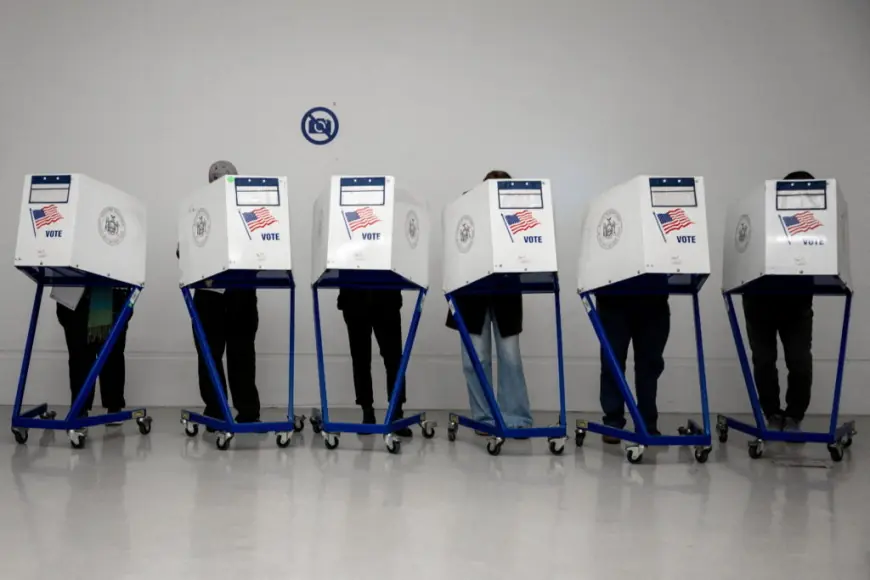
The Republican-controlled House approved the SAVE America Act in a 218-213 vote on Wednesday night ET, advancing a Trump-backed package that would impose new documentary proof-of-citizenship and identification requirements for federal voting. Supporters say the measures will boost confidence in elections; opponents call them federal overreach that would disenfranchise eligible voters.
What the bill would require
The measure would require states to obtain documentary proof of U. S. citizenship when someone registers to vote in federal elections. Typical documents listed in the text include an American passport or birth certificate, and the bill lists several alternative documents as potentially acceptable. Voters would also have to present photo identification to cast a ballot in person, and absentee voters would need to submit a copy of an eligible ID when requesting and returning a mail ballot.
Proponents frame these steps as common-sense security measures, noting that citizens use IDs for many everyday transactions. The legislation’s backers argue that requiring proof of citizenship and photo ID will reduce the risk of ineligible voters participating in federal contests and increase public confidence in outcomes.
Practical and legal questions
Election law experts warn the bill could create confusion and implementation challenges. Some documents identified as alternatives—such as identification compliant with the REAL ID framework—are issued to both citizens and certain noncitizens and do not explicitly denote citizenship status. That could leave states and county election offices grappling with how to verify eligibility without a consistent national standard for what counts as proof of citizenship.
States have long run federal elections, and the Constitution assigns them authority over the "Times, Places and Manner" of those contests. Critics argue the measure would amount to federalizing part of the election administration process by mandating specific documentation requirements. Legal challenges are likely if the bill becomes law, with courts asked to weigh federal power, state authority and claims that the law would have a disparate impact on historically underrepresented groups.
Politics, Senate prospects and who would be affected
The legislation sailed through the House along party lines, with almost all members of one party in favor and nearly all members of the other opposed. Its path in the Senate is far from certain. Some senators in the majority caucus remain skeptical or oppose a federal mandate on election procedures; others have indicated conditional support for the version that passed the House. A key senator has signaled backing for the current text but has stopped short of supporting changes to Senate rules designed to make passage easier.
Advocates for voting rights warn the save act would disenfranchise millions of eligible voters, particularly people who lack ready access to the types of documentation listed in the bill. Noncitizen voting in federal elections is already illegal and extremely rare; existing law requires voters to attest to their citizenship under penalty of criminal sanction. Opponents view this legislation as a solution in search of a problem that would create more barriers to participation than it would solve in terms of fraud prevention.
Republican leaders have framed the bill as responding to calls for election reforms from the president, who has pushed for stronger federal steps to standardize certain aspects of voting. That stance has unsettled many election officials who point to state-run systems and say federal mandates risk undermining long-established local practices.
The bill now heads to the Senate, where lawmakers will weigh whether to take up the House-passed text, draft their own version, or let the idea stall as prior iterations have. If the measure advances, legal battles and operational hurdles could determine how far-reaching any final changes to the nation’s voting rules become.