






















How the SAVE America Act Could Change Voting in Federal Elections

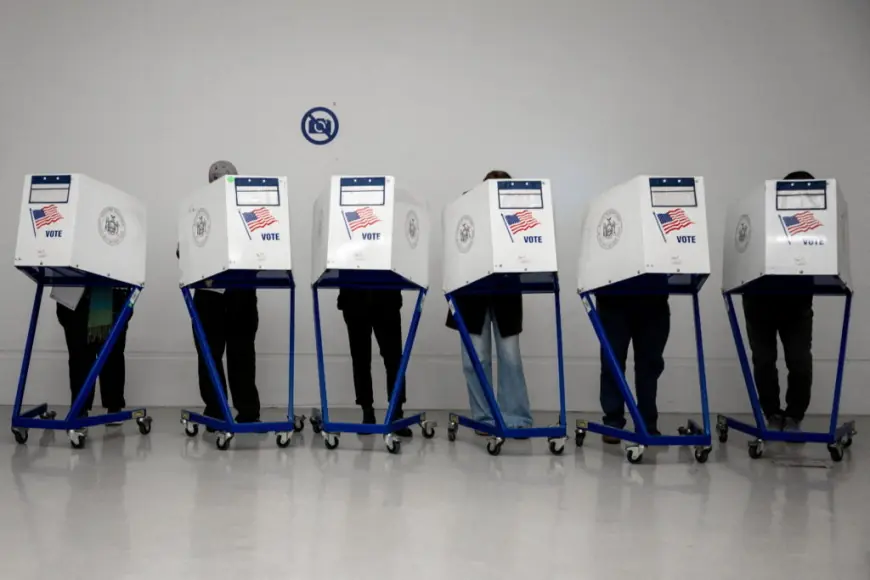
The Republican-controlled House passed the SAVE America Act in a 218-213 vote on Wednesday night ET, advancing a wide-ranging effort to require documentary proof of citizenship and tighter voter ID rules for federal elections. Proponents say the changes will bolster confidence in elections; critics warn the measure would disenfranchise many eligible voters and federalize state-run elections. The bill is commonly referred to as the save act.
What the bill would require
The measure would require states to obtain documentary proof of U. S. citizenship when registering a voter for a federal election. Typical documents cited in the bill include a U. S. passport or a birth certificate. The legislation also mandates a photo ID to cast an in-person ballot and adds new documentation demands for absentee voting, requiring a copy of an eligible ID when requesting and returning a mail ballot.
Backers frame these as common-sense safeguards, pointing out that Americans often show ID for travel, banking and other everyday transactions. The bill’s sponsors include a House Republican and a Senate Republican who have led previous efforts to impose proof-of-citizenship requirements at the federal level.
Election law experts caution that some documents listed as acceptable may not clearly establish citizenship. One example is the REAL ID-compliant identification: while it meets federal security standards, many state-issued REAL IDs do not explicitly indicate citizenship, and both citizens and lawful noncitizen residents can obtain them.
Arguments for and against the measure
Supporters argue the SAVE America Act will protect the integrity of federal elections by preventing noncitizen participation, which they stress is already illegal in federal contests. The White House has emphasized that only American citizens should decide federal elections, a message echoed by lawmakers who favor tighter verification.
Opponents counter that noncitizen voting is exceedingly rare and already criminalized, and that the new documentation hurdles would create barriers for communities less likely to possess birth certificates or passports. Voting rights groups warn that millions of eligible voters could be disenfranchised, particularly low-income voters, seniors and people of color who are less likely to hold the specific IDs the bill prioritizes.
Legal critics also raise constitutional concerns. The Constitution leaves the “Times, Places and Manner” of federal elections primarily to the states, and many civil-rights advocates say imposing uniform federal documentation rules would amount to federalization of elections. Opponents further note that attestation under penalty of perjury is already part of many voter-registration systems.
Senate path and political implications
The measure faces a difficult road in the Senate. Republicans hold a slim majority, but the Senate’s procedural rules mean most major changes still effectively require a 60‑vote threshold to overcome filibuster hurdles. Some GOP senators have voiced skepticism or outright opposition to federal mandates that would change how states manage elections, saying they previously resisted similar proposals when advanced by the other party.
A small group of conservative senators is pushing to clear procedural barriers and force a formal debate on the bill. One prominent moderate Republican has signaled support for the current House-passed version, but that senator has also made clear she does not back eliminating or fundamentally altering the filibuster. Even with that backing, the bill lacks the votes to reach the 60-vote threshold most would treat as necessary to move major legislation.
Previous iterations of similar legislation passed the House in prior sessions but stalled in the Senate, and the current bill’s fate will likely hinge on how many senators are willing to accept federal documentation standards and whether the chamber’s procedural weapons are deployed to limit debate. If the Senate declines to pass the measure, the issue is likely to resurface in future legislative fights and in state-level proposals on voter ID and registration rules.
As the debate continues, advocates on both sides frame the outcome as a referendum on election security and access: proponents promise greater confidence in results, while opponents warn of new obstacles for lawful voters and a shift of election authority from states to the federal government.