























Aston Villa vs Newcastle: FA Cup chaos fuels VAR debate after Tonali-inspired comeback


Newcastle advanced to the FA Cup last 16 with a 3-1 comeback win at Villa Park, but the headlines were dominated less by the football and more by a string of contentious officials' calls in a tie played without VAR. Sandro Tonali's influential display and a late Nick Woltemade strike sealed the result, but debate over three or four pivotal decisions will linger long after the final whistle.
How the match turned: red card, equaliser and late strikes
Aston Villa had the lead through Tammy Abraham, only for the goal to stand despite being offside on the build-up. The hosts then saw goalkeeper Marco Bizot shown a straight red late in the first half for a challenge on Jacob Murphy, leaving Villa to finish the game with 10 men. Newcastle capitalised, Tonali converting from the set-piece that followed and then adding a superb long-range second after the interval. Substitute Nick Woltemade wrapped up the win to make it 3-1.
Villa could point to multiple moments that changed the tie. There was clear controversy over the first goal being allowed to stand, questions about whether Dan Burn was offside when Newcastle drew level, and a major handball incident when Lucas Digne handled the ball inside the area but was penalised with a free-kick outside the box rather than a spot kick. Digne also avoided a red card for a high, reckless challenge on Murphy earlier in the match.
VAR out, scrutiny in: managers and pundits weigh in
Newcastle manager Eddie Howe was forthright in his reaction, saying he was "torn" about VAR but also admitting he wished video review had been available for several decisions at Villa Park. "I was wishing there was VAR for the goal they scored against us - and probably throughout the entire game, " Howe said, adding that the presence of VAR can change how on-field officials manage marginal calls.
Villa boss Unai Emery echoed the sentiment that video review is necessary to support match officials. Outside the dugouts, high-profile former players were scathing about the handball verdict and the general standard of refereeing without VAR, describing officials as hesitant and, in some cases, making what were called among the worst decisions seen on a big stage.
Wider implications: can football cope without VAR in early rounds?
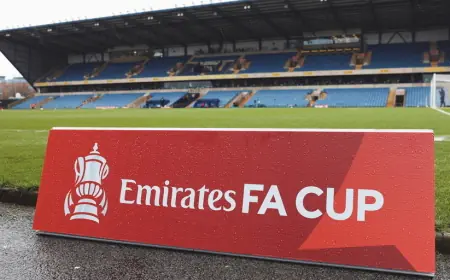
The FA Cup's rule that VAR is only introduced from the fifth round onward leaves early ties to the decisions of on-field officials. This match will be used by both supporters and critics to argue either that football is better without technological interruptions or that major competitions should apply video review from the first round to prevent costly errors.
Proponents of a VAR-free spectacle point to the emotion and immediacy of goals being celebrated without stoppages. Critics counter that when big decisions — offside goals, red-card incidents and clear handballs in the box — go the wrong way, the integrity of the result is undermined and the losing side is left with legitimate grievance.
For now, Newcastle move on to the next round and Villa are left to nurse what many will view as a sense of injustice. The match will keep fuel in the fire of the VAR debate: whether referees should be expected to make flawless calls in the absence of technology, or whether high-stakes competitions should simply extend VAR coverage to avoid such controversies altogether.