

























Easter 2026: Key dates for Mardi Gras, Lent, Holy Week, Good Friday and Easter Sunday

Churches, parade organizers and families are marking calendars for a packed spring religious and cultural season. Fat Tuesday and Mardi Gras events arrive in mid-February, Lent runs from late February into early April, and Holy Week culminates with Good Friday on April 3 and Easter Sunday on April 5, 2026 (ET). Here are the essential dates and what they mean for worshippers and communities.
When Mardi Gras and Lent begin
Fat Tuesday, also known as Mardi Gras, falls on Tuesday, Feb. 17, 2026 (ET). Many Carnival celebrations and parades begin the weekend prior, with major procession schedules concentrated in the days immediately before Fat Tuesday; some cities stage parades beginning as early as Feb. 11 through Feb. 17. The day traditionally serves as a final feast before the penitential season that follows.
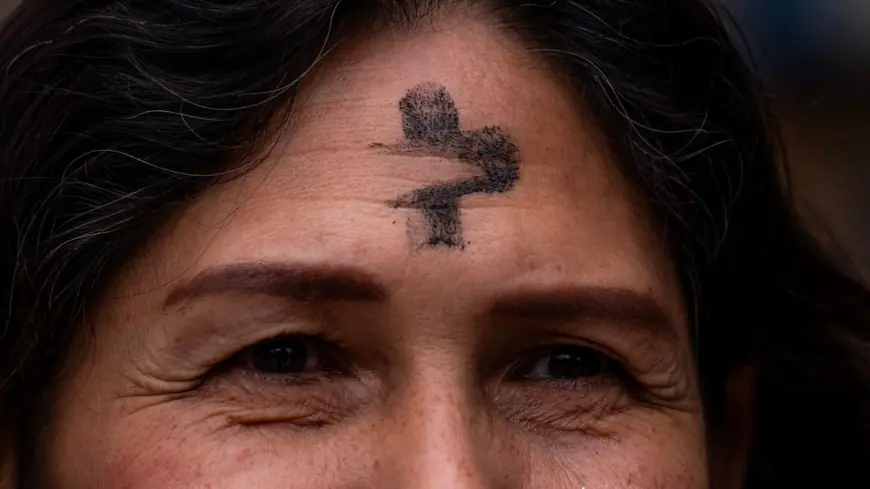
Ash Wednesday and the start of Lent arrive the next day, on Wednesday, Feb. 18, 2026 (ET). Ash Wednesday is observed with services in which worshippers may receive a cross of ashes on the forehead, a visible sign of repentance and the start of a 40-day Lenten fast that omits Sundays. For many Catholics, Lent includes fasting and abstinence practices, and it is common for individuals to give up particular luxuries or habits for the season.
The Lenten calendar in 2026 runs from Wednesday, Feb. 18 through Thursday, April 2 (ET), lasting the customary period that precedes Holy Week. This timeline sets the rhythm for parish programming, fasting observances and community outreach efforts during the six-week season.
Holy Week, Good Friday and Easter Sunday
Holy Week, the most solemn week in the Christian year, begins with Palm Sunday on March 29, 2026 (ET), when congregations commemorate Jesus' entry into Jerusalem. Holy Week includes a series of observances leading to the commemoration of the crucifixion and resurrection.
Good Friday falls on April 3, 2026 (ET). This day commemorates the crucifixion and is observed with services of reflection, prayer and, in many communities, processions or reenactments. Good Friday is always two days before Easter Sunday and is a focal point for liturgical observance in many denominations.
Easter Sunday — the celebration of the resurrection — is on April 5, 2026 (ET). Easter can fall as early as March 22 or as late as April 25 in any given year; the 2026 date places it in early April, concluding Holy Week and the Lenten season. Many congregations plan sunrise services, special liturgies, concerts and community meals to mark the day.
What these dates mean for communities and travelers
The timing of Mardi Gras, Lent and Holy Week shapes civic planning, travel and local commerce. Cities with major Carnival traditions stage multiple parades and events in the lead-up to Fat Tuesday, which can affect traffic, public transit and municipal services. Faith communities schedule special liturgies, retreats and volunteer activities across the Lenten season and especially during Holy Week.
For individuals, the calendar offers both devotional milestones and social moments: from fasting and reflection during Lent to festive observances on Mardi Gras and jubilant celebrations on Easter. Families and congregations commonly coordinate preparations—musical rehearsals, floral dedications, and volunteer outreach—to align with the key dates noted above.
With Fat Tuesday on Feb. 17, Ash Wednesday on Feb. 18, Holy Week beginning March 29, Good Friday on April 3 and Easter Sunday on April 5 (all ET), communities can now finalize event schedules and pastoral plans for the 2026 observance season.