

























Federica Brignone's Giant Masterclass: Second Olympic Gold Seals Remarkable Comeback

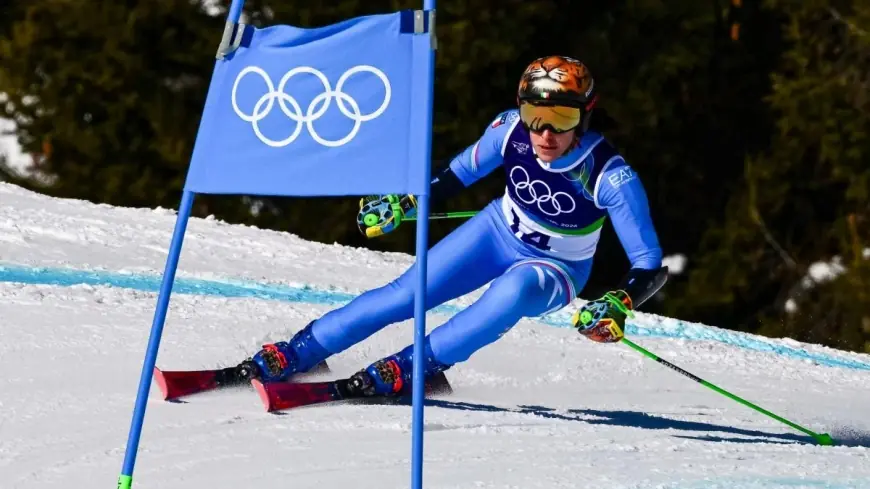
Federica Brignone produced a stunning second-run performance to win the Olympic giant in Cortina, adding a second gold to a late-career renaissance that has captured the attention of the ski world. Her total time of 2: 13. 50 was untouchable; two rivals shared silver while Italy's depth showed with strong top-10 finishes.
Dominant second run turns lead into gold
Brignone entered the final run with the lead and delivered a composed, aggressive descent that left little doubt. She sealed victory with a winning combined time of 2: 13. 50, while two competitors crossed the line just over half a second adrift, tying for silver at 2: 14. 12. A teammate posted a strong showing and finished just off the podium in fourth, and a celebrated compatriot who had started well faded down the stretch to place eighth.
The race had begun under clear conditions and a surprisingly straightforward course that rewarded clean skiing and smart line choice. Brignone described the snow as "facilissima" and said she focused on attacking while being "pulita" and intelligent over changing terrain—an approach that paid off in both the rhythm sections and the high-speed finale. The crowd's ovation at the finish underscored the scale of the performance: a skier who started from a relatively late bib delivered a textbook run and converted it into Olympic gold.
From catastrophic injury to double Olympic champion
The victory in the giant is the latest chapter in a comeback that many considered improbable. Brignone suffered a severe left-knee injury on April 3, 2025 (ET), with multiple fractures and ligament damage that required surgery and a prolonged rehabilitation. Months of intensive work followed: long, painstaking sessions in the gym, targeted medical and conditioning programs, and a return to on-snow training only at the end of November at Cervinia.
That grind produced measurable results. Just days earlier, she had clinched gold in the super-G on Feb. 12, 2026 (ET), and the giant triumph now confirms she has recovered not just fitness but the fine technical touch that defines elite alpine skiing. Team members, medical staff, and commentators have highlighted the blend of physical recovery and mental resilience on display—Brignone balanced patience in rehab with an uncompromising work ethic that brought her back to the top of the podium.
What this means for Italian skiing and the rest of the season
The double-gold weekend is resonating beyond a single result. It reinforces Italy's strength across speed and technical disciplines and gives a clear signal that Brignone remains a force in World Cup and championship racing despite the severity of her injury less than a year ago. Younger teammates produced encouraging performances as well, proving the national program can count on depth as it eyes the remainder of the season.
For Brignone personally, the win is validation of a recovery plan built on meticulous rehabilitation and incremental returns to competition. It also reshapes expectations: an athlete once written off during recovery now carries fresh momentum and a renewed sense of possibility into the months ahead. The Olympic titles will be measured not only in medals but in the example they set—how elite preparation, medical support, and sheer determination can revive a career even after an injury that many would have deemed career-ending.
On the snow in Cortina, Brignone showed a blend of finesse and fearlessness. That mix, more than anything, explains how she transformed a remarkable story of survival into a commanding ski performance that will be remembered long after the Games have closed.