






















‘Ferryman’ Igor Tudor takes charge at Tottenham with safety-first brief

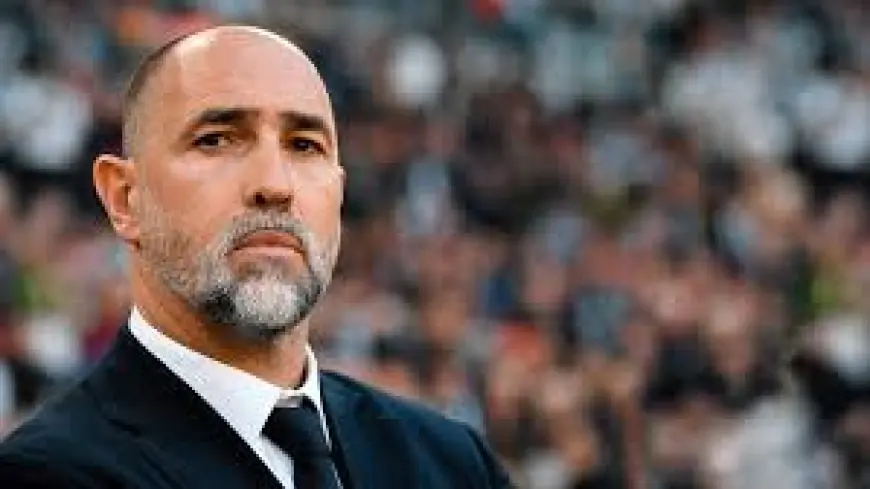
Tottenham confirmed Igor Tudor as men’s head coach on Saturday, February 14, 2026, at 12: 00 ET, signing the Croatian until the end of the season subject to a work permit. The brief is explicit: improve performances, stabilise results and pull the club clear of the relegation mire while maintaining competitiveness in Europe.
Tudor’s short-term specialism — and why it matters now
Tudor arrives with a well-worn reputation for stepping into turbulent situations and engineering immediate improvements. His résumé reads like a catalogue of midseason interventions: cup success with his first managerial post, late-season survival missions with clubs fighting relegation, plus a Champions League qualification achieved after taking charge in the spring at a major Italian club. These episodes have earned him the Italian sobriquet often used for interim managers — the ferryman — a coach brought in not for long-term construction but for safe passage through choppy waters.
That profile fits Tottenham’s immediate needs. The club sit precariously close to the relegation zone, and the short-term mandate is to shore up performances quickly rather than to begin a wholesale rebuild. The incoming coach has emphasised organisation, intensity and a practical focus on points. For a squad with evident quality, the job will be to channel that ability into consistent results over the weeks that follow.
Strengths, risks and the temperament question
Tudor’s strengths are obvious: he can change momentum fast, demand structure from players and produce measurable improvements across a handful of fixtures. Several of his previous spells produced the exact outcomes owners and directors wanted — European qualification, league safety, or cup success — delivered in compressed windows.
But the same record raises questions. Tudor rarely stays for a full season; his temperament and high-intensity approach have at times clashed with club hierarchies and long-term planning. There have been public clashes over recruitment and frustrations when sold the short-term project without guarantees of backing. Those dynamics present a two-fold risk for Tottenham: whether his style can be sustained through the season’s pressure cooker and whether any early success can be converted into a plan for the summer without discord.
The club’s hierarchy have framed the appointment as a targeted intervention. The coach will be judged first on Premier League safety and his ability to keep Spurs competitive in the Champions League. A successful interim spell will put him in the conversation for the permanent role, but the door is open for other options in the summer.
The immediate fixture test and what to watch
There is no soft start. Tudor’s first match will be away to the league leaders next Sunday, a fixture that will test both tactical clarity and player buy-in. Beyond that, the calendar is congested and unforgiving: the Premier League run-in and European knockout stages will demand rapid answers in areas that have troubled the team all season — consistency, defensive organisation and intensity over 90 minutes.
Key indicators over the next month will be visible and measurable: improvement in points per game, a tighter defensive record, and a clearer match-to-match identity. How quickly Tudor can impose his methods on this squad, and how the players respond to his taskmaster reputation, will determine whether this intervention is remembered as a skilful short-term rescue or a stopgap that merely postponed a deeper rebuild.
For now, the message from the club is simple and urgent: steady the ship, climb the table and give the season a fighting chance. Tudor’s track record suggests he knows how to pilot through a storm — but the currents at this club will test every facet of that claim.