
























When Pakistan and India Play Cricket, It’s Never Just a Game

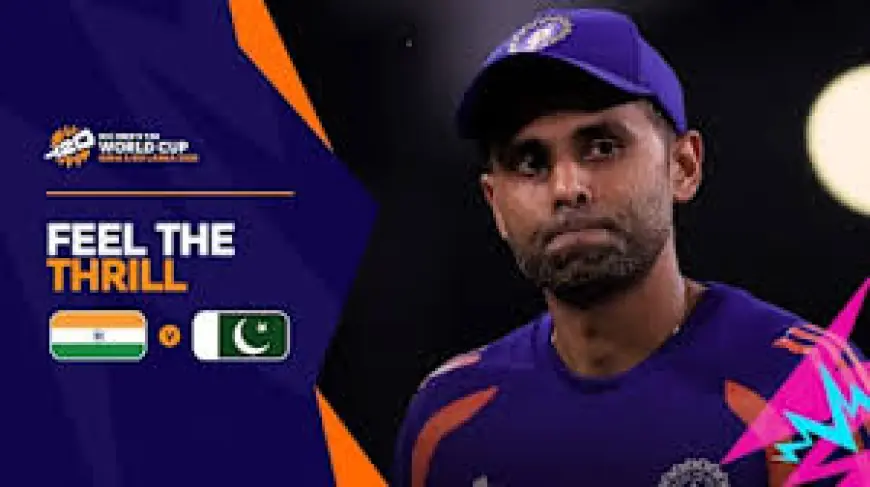
The India v Pakistan fixture at the T20 World Cup has long transcended sport. What unfolds on the pitch is amplified by decades of rivalry, recent diplomatic flare-ups and an audience larger than any other single sporting broadcast. This latest edition, set to be staged in a neutral country, arrived shadowed by a last-minute political standoff that was reversed after intense negotiations.
High stakes on and off the field
Matches between India and Pakistan carry an intensity that goes far beyond bat and ball. A history of wars, periodic cross-border clashes and persistent disputes over territory mean that every run and wicket is often read as a national statement. That context has kept bilateral cricket largely dormant for years; when these teams do meet it is usually in multilateral tournaments held in neutral venues.
The current tournament was disrupted when a government decision briefly barred one side’s players from taking the field, a move framed as a protest tied to the treatment of another competing nation. After several days of high-level negotiations, the decision was reversed and the fixture moved forward. The episode underscored how quickly diplomatic pressure can spill into sport — and how fragile arrangements are when relations remain frozen.
Expectations: no handshakes, plenty of passion
With recent hostilities between the two countries still raw, little in the way of on-field camaraderie is expected. Earlier encounters since the most recent spike in tensions saw players eschew customary gestures of goodwill. Fans on both sides, however, are unlikely to be deterred; the emotional investment runs deep, and many will tune in not just to watch cricket but to follow a narrative that sits at the intersection of identity, pride and memory.
Security and diplomatic calculations shaped the lead-up to the match. Because bilateral ties remain strained, these fixtures are scheduled at neutral sites — this one will be played in a neighboring country — with organizers balancing the logistical burdens of hosting a game that draws extraordinary attention.
Money, viewers and the modern spectacle
Beyond symbolism, India v Pakistan games are a financial juggernaut. Broadcasters and rights holders prize these matchups because of unparalleled demand: viewership estimates for the latest meeting are eye-popping, with figures far exceeding the largest single-day broadcasts elsewhere. That scale translates into major advertising and sponsorship revenue, and it magnifies the pressure on governments, sporting bodies and organizers to keep the fixture on the calendar despite political obstacles.
For players, coaches and cricket boards, the reality is stark. The match is both an opportunity and a minefield — a chance to perform under a global spotlight and a setting where one misstep can have outsized consequences off the field. Fans in both countries will watch with intense scrutiny; broadcasters and rights holders will be counting every eyeball.
When India and Pakistan meet in cricket, the result is never limited to the scoreboard. The contest serves as a mirror of broader relations, a commercial event of enormous scale and, for millions, a rare channel through which national fervor is expressed. In the weeks and days around such fixtures, negotiations, security plans and political signals often matter as much as tactics and team selection.