

























2026 Winter Olympics Alpine Skiing Schedule: What to Watch and When (ET)

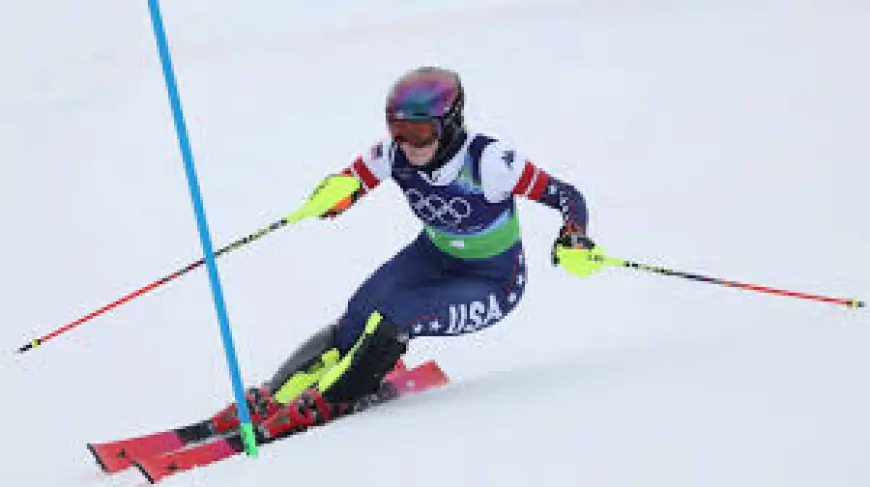
The alpine skiing program at the 2026 Winter Olympics in Milano Cortina is entering a critical stretch with several medal days ahead. Below is a compact, viewer-friendly guide to the alpine slate with event order and start times in Eastern Time (ET), plus notes on format and what to expect from each competition day.
Key events and start times (ET)
Times are provided in Eastern Time and reflect the typical order of alpine events at the Games. All start times are subject to change because of weather and operational decisions; treat this as a planning guide for viewers and fans.
- Men's Downhill — single run, early-morning start: 4: 30 AM ET. The downhill traditionally opens with a single-speed run down the longest course; expect top speeds and a medal ceremony shortly after the final racers finish.
- Women's Downhill — single run, early-morning start: 6: 00 AM ET. Similar format to the men's downhill, with athletes tackling the same speed-focused demands later in the morning.
- Men's Super-G — single run: 5: 30 AM ET. Super-G combines speed with more technical turns; course-setting rewards precision and risk management.
- Women's Super-G — single run: 7: 00 AM ET. Often scheduled near the downhill window, Super-G medals arrive quickly after the run concludes.
- Giant Slalom — two runs (combined times): First run 4: 00 AM ET; second run 7: 30 AM ET. Two-run events separate time trials and demand consistency across both runs.
- Slalom — two runs (combined times): First run 5: 00 AM ET; second run 8: 00 AM ET. Slalom is the most technical individual discipline, with tight gates and fast transitions.
- Alpine Combined — Super-G + Slalom: Super-G 5: 30 AM ET; Slalom 9: 00 AM ET. A true test of versatility: speed and technical skill in one day.
- Mixed Team Parallel — head-to-head bracket: 1: 00 PM ET. Nations compete in knockout rounds in short, side-by-side parallel courses, offering compact, spectator-friendly drama later in the day.
Format notes and what to expect
Alpine events at the Olympic level follow a few consistent patterns that influence scheduling and viewer experience. Downhill and Super-G are single-run affairs where weather and course conditions play an outsized role. Giant slalom and slalom use two-run aggregate timing, usually with the first run early and the second a few hours later; the second run order is often reversed among the top qualifiers to maximize late-stage competition drama.
Alpine Combined compresses speed and technical elements into one day, so athletes who can pivot between disciplines typically shine. The mixed team parallel is a sprint-style event built for head-to-head spectacle; national depth and tactical lineup choices often determine outcomes.
Viewing tips and schedule planning (ET)
Because Milano Cortina operates on Central European time, many alpine sessions fall in early-morning Eastern Time. Fans should plan around morning windows for individual medals and set aside midday for team and highlight events. Expect schedule shuffles when high winds or poor visibility threaten racer safety; organizers prioritize athlete safety and may delay or move events to alternate days.
For spectators following the Games from Eastern Time zones: set alerts for early-morning start times, and watch for event confirmations that can come the day before each competition block. The alpine program traditionally produces decisive moments early in the day and tight, head-to-head action in the afternoon and evening sessions.
As the Milano Cortina Games progress, alpine skiing will remain one of the most compelling sources of medals and momentum swings. Keep this ET-focused schedule handy when planning viewing, and be ready for rapid changes if weather or course conditions demand adjustments.