





















Igor Tudor tasked with steadying Tottenham — a ferryman with a rescue record

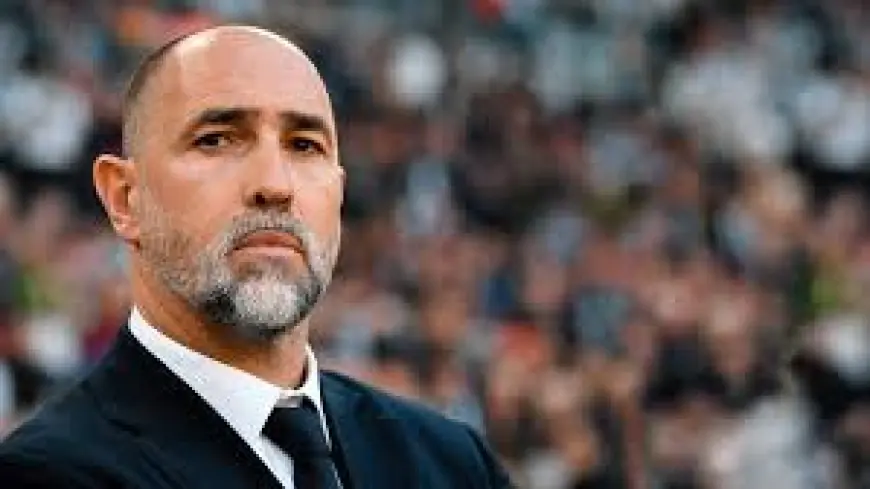
Tottenham Hotspur confirmed the appointment of Igor Tudor as men’s head coach until the end of the season on February 14, 2026 at 12: 00 ET, handing him a clear brief: improve performances, secure Premier League safety and maintain competitiveness in the Champions League. The Croatian’s CV is defined by short, sharp interventions — an asset when a club is in trouble, and a potential liability over the longer term.
A proven mid-season fixer
Tudor’s managerial career is notable for one consistent theme: he is frequently brought in when a club’s season is sliding and immediate results are demanded. His earliest full-time role ended with a domestic cup win after taking charge with only weeks remaining. Subsequent assignments have followed a similar pattern — arriving late in campaigns, arresting decline and producing enough improvement to meet target objectives.
At Galatasaray he stabilised the team and secured European qualification; at Udinese he arrived amid a club-record losing run and hauled them to safety; a return to Udinese two years later resulted in a comfortable mid-table finish. Stints at Hellas Verona and Lazio saw fast turnarounds in form, while a spell at Juventus brought Champions League qualification after a short, intense run of results. His time at Marseille stands out as an exception, where he completed a season that yielded a top-three finish.
That pattern helps explain why Tottenham’s hierarchy have opted for Tudor now. The club’s immediate priority is survival and short-term upturns in form, and Tudor’s résumé offers evidence he can deliver impact quickly. He has repeatedly shown an aptitude for organisation, intensity and extracting better performances from existing squads without the luxury of long pre-season rebuilds.
What Tudor brings — and the risks Tottenham accept
Tudor brings a reputation as a taskmaster who demands high intensity and discipline. His brief emphasises organisation and quick results, a formula that can produce immediate stability. The club has said his role is to energise the squad and maximise the quality within it — a pragmatic mandate for the run-in.
But the appointment carries clear risks. Tudor has no managerial experience in the Premier League, and recent spells at several clubs ended sooner than many expected. Those departures expose two recurring issues: volatility of temper and public friction over transfer and squad-building powers. At times he has been outspoken about the need for support in the market and frustrated when plans are constrained — tensions that have preceded partings from previous employers.
His temperament is part of the package. Former colleagues and observers have described him as highly emotional and demanding — qualities that can galvanise a squad but also create friction in a stretched dressing room or a club with complex internal politics. Tottenham have framed the appointment as an interim, with the door open to a different long-term appointment in the summer, which mitigates some of the risk but also underlines the temporary nature of Tudor’s mandate.
Immediate tests and the path ahead
The timetable is unforgiving. Tudor’s first matches will come as Tottenham navigate a congested fixture list that includes domestic tests and Champions League commitments. Stabilising league form while protecting European ambitions will require quick buy-in from players and staff, and immediate tactical clarity.
For now, the gamble is straightforward: secure Premier League safety and provide a short-term spark. If Tudor delivers, he will be in contention for a longer stay; if the early upturn fails to materialise, the club’s interim approach makes a summer overhaul more likely. Either way, the appointment is a high-stakes experiment in short-term rescue management — one that leans heavily on Tudor’s proven ability to act fast when a ship is taking on water.