























Inter vs Juventus: Late Zielinski strike seals 3-2 win amid red-card controversy

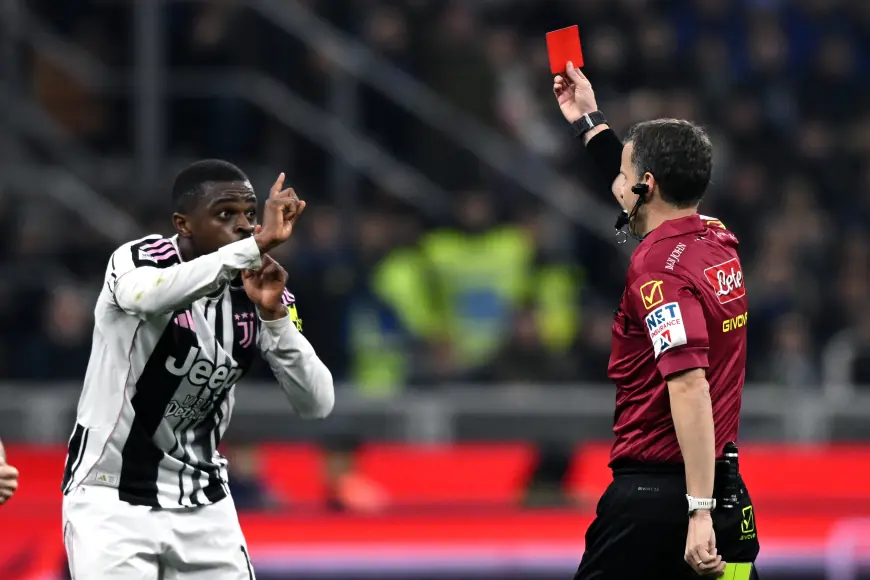
Inter Milan edged Juventus 3-2 at San Siro on Saturday night (ET) in a match that will be remembered as much for a contentious refereeing decision as for the late winner. A second yellow card shown to Pierre Kalulu in the 42nd minute swung momentum, but the result was only settled in stoppage time when Piotr Zielinski’s shot found the net.
Refereeing decision shapes the narrative
The game effectively turned in the 42nd minute (first half, ET) when referee Federico La Penna produced a second yellow card for Pierre Kalulu, reducing Juventus to 10 men. The dismissal followed minimal contact with Alessandro Bastoni, a moment that sparked fierce debate across both dugouts and among fans. Juventus officials were incensed enough that their manager declined to face the media after the match, sending senior club figures in his place.
Inter’s coach defended his player’s actions, saying the contact, while light, was felt and that opponents must be cautious in such situations. He also explained the substitution of Bastoni at half-time was partly to manage the risk of a further booking. The coach acknowledged his own side had been under psychological pressure before the game, admitting the team had struggled in big-headline matches in recent periods and that the players felt the weight of that run.
End-to-end drama on the scoresheet
On the pitch, the scoreline was chaotic. Andrea Cambiaso had the misfortune of turning the ball into his own net to open the scoring, only to redeem himself minutes later with a composed equaliser. Francesco Pio Esposito gave Inter the lead with a header, but Juventus hit back through a stunning effort from Manuel Locatelli seven minutes before second-half stoppage time, a strike that looked like it would salvage a deserved point for the visitors who refused to lie down after going down to 10 men.
Despite the numerical disadvantage, Juventus fought with intensity and organization, creating chances and pressing Inter deep into their defensive third. The team’s resilience was on full display—only for the drama to continue late. In the dying moments, Piotr Zielinski produced the decisive intervention: his shot wrong-footed Michele Di Gregorio after deflecting through Locatelli’s legs, finding the net and giving Inter a 3-2 victory in stoppage time (90+ minutes, ET).
Aftermath and what it means
For Inter, the win offers a psychological lift. The coach highlighted the squad’s determination and suggested the result could be a turning point in shaking off a recent block in big matches. For Juventus, the match will be revisited through the lens of the red card and the sense of injustice felt by players and staff. While passion and disputes are part of any derby, this fixture will be dissected for the refereeing call that many observers deemed decisive.
The on-field narrative — lead changes, a sent-off, a stoppage-time winner — ensured the Derby d'Italia produced the kind of headlines that follow high-stakes encounters. Yet the conversation off the pitch may linger longer than the final score, with debates over simulation, referee judgment and the wider culture that surrounds such incidents set to dominate the aftermath.
Both teams will quickly return to league duties, but the memory of this meeting, played out under roaring stands and intense scrutiny (first half and stoppage time noted in ET), will remain a talking point for weeks to come.