

























Measles Outbreak: Essential Information as Virus Spreads

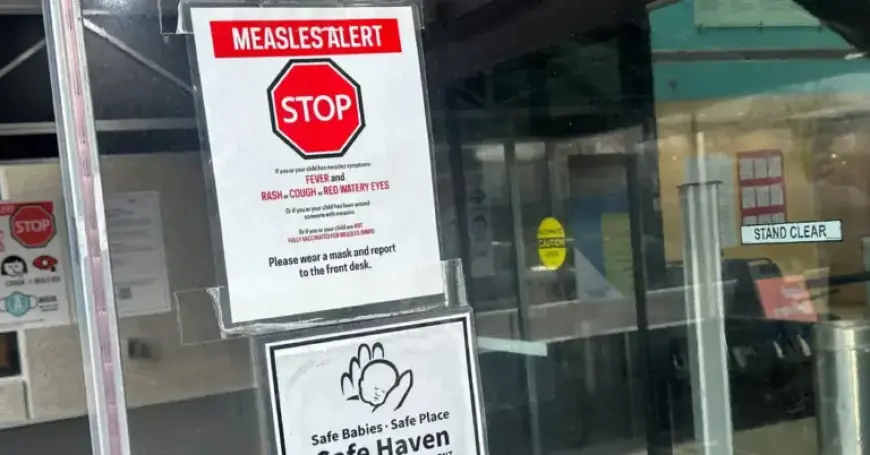
In 2025, the United States witnessed a significant surge in measles cases, marking one of the highest records in recent history. The outbreak has extended into 2026, with more than 900 cases reported in South Carolina alone, predominantly affecting children. Other states, including Utah and Arizona, are also seeing increased transmission. Out of the 733 cases recorded nationwide this year, a large majority occurred in unvaccinated individuals.
Call to Vaccination
Dr. Mehmet Oz, the leader of the Centers for Medicare and Medicaid Services, has urged the public to get vaccinated to help control the outbreak. As the virus continues to quickly spread, understanding the symptoms, treatment, and importance of vaccination is crucial.
Transmission of Measles
Measles is incredibly infectious. The virus spreads easily through the air when an infected person coughs or sneezes. Additionally, it can survive on surfaces for hours, making a simple touch to a contaminated object a potential method of infection. Notably, individuals can transmit the virus even before exhibiting symptoms.
Vaccination Rates and Current Risks
To effectively curb measles outbreaks, vaccination rates must exceed 95%. Currently, this figure is around 92.5% for American kindergartners receiving the measles, mumps, and rubella (M.M.R.) vaccine during the 2024-2025 school year. Several communities, especially in regions like West Texas and South Carolina, show concerningly low vaccination coverage.
Additionally, the risk of imported measles cases has increased as several countries, including Mexico and Canada, face their own outbreaks.
Symptoms and Diagnosis
Measles symptoms typically emerge one to two weeks after exposure. Early signs can include a cough and runny nose, often resembling other viral infections, which can lead to its rapid spread. A few days later, more distinct symptoms appear, such as Koplik spots inside the mouth and a characteristic rash that begins behind the ears and spreads downwards. Diagnosis is confirmed via laboratory tests.
Treatment Approaches
Currently, there is no specific treatment for measles. Instead, patients receive supportive care, including medications for comfort, oxygen assistance, and IV fluids to manage symptoms. In severe cases, vitamin A may be administered, but this requires careful physician oversight to avoid potential toxicity.
Health Risks Associated with Measles
While many cases are mild, approximately one in five unvaccinated individuals infected with measles require hospitalization. The disease poses a significant threat to children, with about three in every 1,000 cases resulting in death due to complications such as respiratory issues.
- Up to 20% of children may develop pneumonia, a leading cause of measles-related fatalities.
- In rare instances, measles can cause brain swelling, leading to lasting disabilities.
Measles and Pregnancy
Pregnant women face increased risks, being ten times more likely to die from measles than non-pregnant women. The virus can lead to miscarriages or premature labor, and women cannot receive the vaccine during pregnancy. If a pregnant woman is exposed, doctors can administer immunoglobulin within six days for increased protection.
Efficacy and Safety of the Vaccine
The M.M.R. vaccine is one of the most effective vaccines, typically administered in two doses starting at 1 year old. The combined effectiveness is around 97%. While mild side effects are common, serious reactions are rare.
Vaccination Status and Exposure
Fully vaccinated individuals can still contract measles, though the incidence is low. Of the 2,200 cases reported in the U.S. in 2025, only 4% were among vaccinated individuals. Those who are vaccinated generally experience milder symptoms and are less likely to spread the disease.
If you suspect exposure to measles, it’s vital to assess your immunity status. Individuals born before 1957 are likely immune. Those who received the vaccine between 1963 and 1967 might need revaccination due to lower effectiveness. Unvaccinated individuals should consult a physician promptly for vaccination or immunoglobulin treatment.