























‘Heartbreak on Feb 15’: Pakistan fans brace for T20 World Cup loss to India

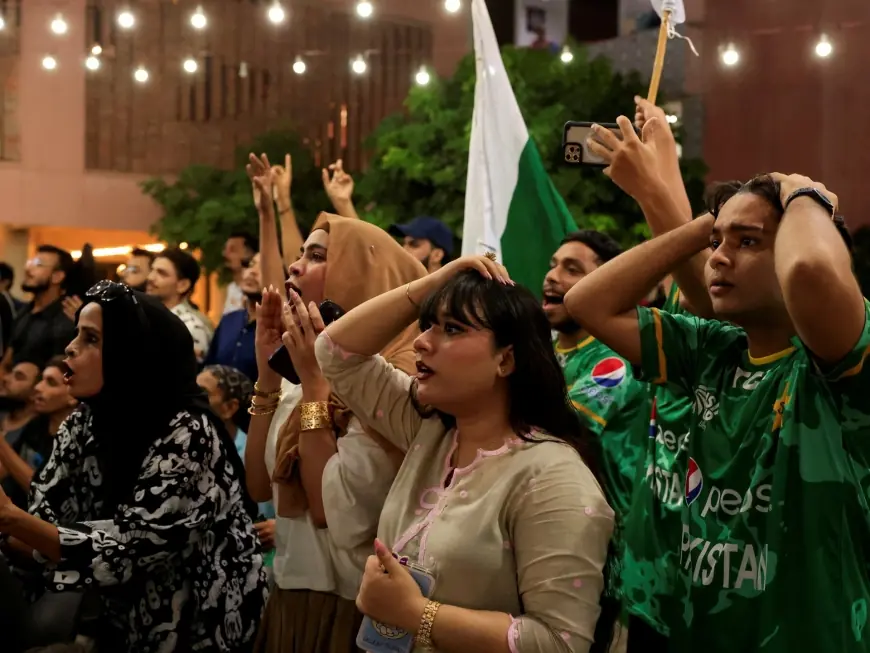
As the high-stakes T20 World Cup fixture approaches, Pakistani supporters are girding themselves for disappointment rather than celebration. The match, set for Feb. 15 at 8: 30 a. m. ET at the R. Premadasa Stadium in Colombo, will once again spotlight one of cricket’s most combustible rivalries amid weather worries and recent political tensions.
From boycott drama to grim realism
The build-up to the game has been turbulent. A week of controversy culminated in an initial decision by elements within the team’s camp to boycott the match on political grounds, a move later reversed after negotiations with the sport’s governing body. That episode, for many fans, offered a hollow sense of victory — an emotional high that quickly yielded to resignation.
On the field, the record provides little solace. Pakistan have not beaten India in the T20 World Cup since 2021, holding a single victory across eight tournament meetings. Rain and thunder threatened to disrupt preparations further, but the dominant narrative among supporters is not weather but long odds. “It’s looking 70-30 in India’s favour, ” said Talha Bandayal, a law student watching a local game in Karachi, reflecting a widely held appraisal among casual and hardcore followers alike.
Match-day rituals, from tea stalls to family dining rooms
Despite the dampened expectations, the fixture will command national attention. Streets and shops will shift rhythms around kickoff, with roadside tea stalls filling up as men gather on benches and plastic chairs to watch compact TV screens. Delivery riders, juggling orders, will pause to glance at phone streams or restaurant screens. Upscale eateries will set up large displays for groups of friends and families, and extended households will convene around living-room televisions with biryani, snacks and refreshments.
The timing — scheduled for a weekend slot that has become customary for India–Pakistan matches to accommodate logistics and viewership — offers a brief reprieve from the weekday grind. In a city like Karachi, routines are already being reshuffled: domestic chores wrapped up, travel plans delayed, and social appointments rearranged so the nation can follow the three-plus-hour spectacle.
Politics, rivalry and a more toxic atmosphere
What was once sport-fueled banter has hardened into something more acrid. Escalating political tensions have layered these meetings with nationalism and raw emotion; pre-match handshakes have given way to deliberate avoidance, and on-field jibes have spilled into provocative gestures linked to recent cross-border conflict. That mix has turned the fixture into a polarizing spectacle, where athletic competition often plays second fiddle to broader national narratives.
Back home, initial bravado in some quarters has dissolved into self-mockery: social feeds filled with melancholic memes and short reels lamenting the optimism of those who had dared to hope. Captions mused about “heartbreak on Feb. 14 and 15, ” tying the sporting angst to Valentine’s Day as fans set up playlists of plaintive songs to accompany the inevitable post-match cleanup.
For team management and the players led by Salman Ali Agha, the game remains an opportunity to rewrite the script. For the public, the fixture is a ritual of collective anticipation and anxiety — less about belief in victory than about experiencing the shared drama. Come 8: 30 a. m. ET on Feb. 15, millions will tune in, not always expecting triumph, but unwilling to miss the latest chapter of a rivalry that refuses to lose its emotional charge.