



















Ryan Murphy’s ‘Love Story’ Reignites Kennedy Myth and Revives 1990s Calvin Klein Debate

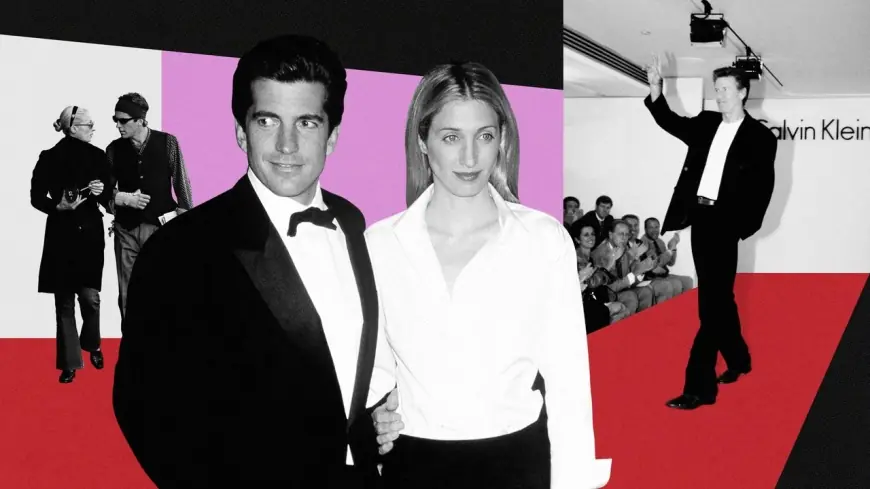
Ryan Murphy’s new series about John F. Kennedy Jr. and Carolyn Bessette has done what high-profile dramatizations often aim for: it sent the couple back into the public imagination, stirred debate about who gets to tell their story, and nudged fashion conversations in a direction that feels both familiar and unsettled.
Fashion’s ghost: Carolyn Bessette Kennedy’s style returns to center stage
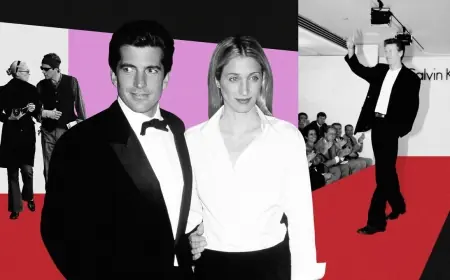
The series’ meticulous costume work has pushed a renewed interest in the crisp, reticent aesthetic long associated with Carolyn Bessette Kennedy — slip dresses, tailored shirts, pencil skirts and the quiet minimalism of 1990s Calvin Klein. That revival landed with theatrical timing: the first episode premiered the night before a major New York runway show, setting a cultural cross-current between small-screen mythmaking and big-room fashion politics.
Designers and creative directors faced a choice: lean into the well-worn 1990s Calvin vocabulary or pivot toward other chapters in the brand’s history. The show’s designers embraced the former, presenting Bessette as the archetypal carrier of that era’s cool restraint. The fashion house that presented during the same runway sequence, however, deliberately moved the clock backward, citing influences from the late 1970s and early 1980s and offering a collection that felt less austere and more exploratory.
The divergence underscored how commercial storytelling can cede territory: when a hit series refashions a public figure’s look, other designers and labels rush to harvest the idea. Expect capsule collections and retail drops riffing on Bessette’s silhouette in the coming months, as brands tap the renewed appetite for prim, pared-back glamour.
Drama beyond the screen: ownership, outrage and performance notes
Beyond aesthetics, the series reopened a long-simmering debate about who owns the Kennedy narrative. Members of the family pushed back publicly, objecting to dramatizing a private life cut short by tragedy. One family member characterized the dramatization as an inappropriate commercialization of a family loss; the showrunner’s blunt reply that some relatives were “an odd choice to be mad about” a story they might not remember intensified the dispute.
The exchange crystallizes tensions that always follow high-profile adaptations: creative teams argue for artistic license and historical revisionism, while relatives and guardians of a memory invoke personal history and privacy. This clash has fueled coverage and conversation as much as the series itself.
Critics and viewers have gravitated toward the central performances. The actress portraying Carolyn has drawn particular praise for rendering a complicated woman who is at once guarded, ambitious and magnetic — a portrait that pushes back on decades of tabloid shorthand. The actor playing JFK Jr. is often described as physically convincing, though some commentators find the role’s writing flatter than the central character’s depiction, leaving the supporting royal-family figures to oscillate between melodrama and restraint.
What this means for culture and commerce
The series arrives at a moment when American fascination with dynasty, image and spectacle is alive and lucrative. Television can reframe public memory quickly; a single well-timed scene can revive a fashion silhouette, inspire editorial essays and influence market offerings. Fashion houses that danced with nostalgia or deliberately resisted it signaled different strategic bets: one leaned into mythic 1990s minimalism, the other sought earlier, less codified antecedents.
Either way, the show’s cultural ripple is clear. Expect renewed auctions, magazine profiles, and retail iterations that mine the combination of private grief and public glamour the Kennedys have long embodied. The greater question — whether dramatizing such lives serves history, entertainment, or commerce best — is likely to animate debate long after the series finishes its run.
For now, a generation is rediscovering Carolyn Bessette Kennedy not only as a footnote in a famous family’s story, but as a style and cultural reference point whose afterlife continues to shape fashion and television in tandem.