

























Impact of DHS Shutdown on Operations and Employees Explained

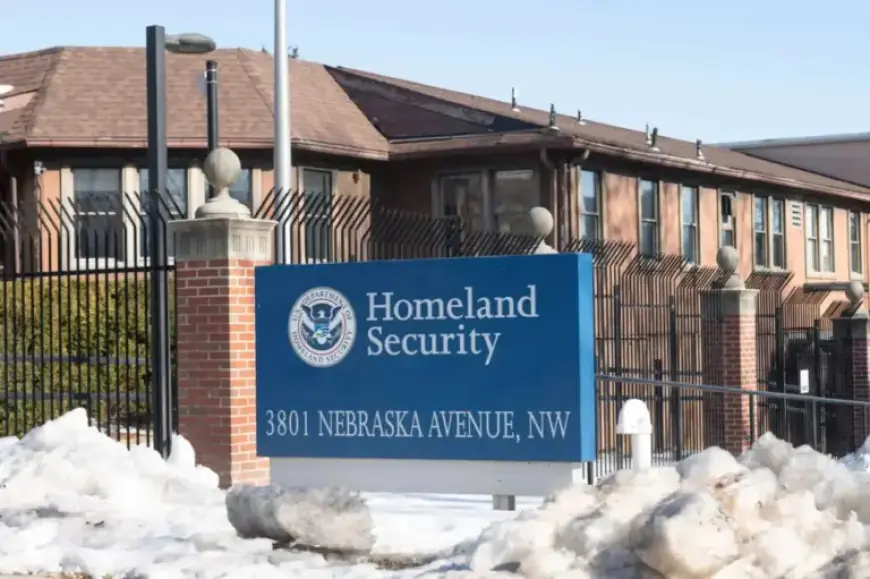
The imminent shutdown of the Department of Homeland Security (DHS) is expected to have significant repercussions for its operations and employees. Approximately 90% of the 260,000 DHS employees will remain on duty, many without pay. The effects of this shutdown will differ based on various factors, including the specific DHS component and employee position.
Impact of DHS Shutdown on Key Components
Several DHS divisions will feel the impact of the shutdown differently. Some components, such as Immigration and Customs Enforcement (ICE) and Customs and Border Protection (CBP), received substantial funding through the recent tax and reconciliation law, bolstering their ability to operate.
ICE and CBP
- Funding from the One Big Beautiful Bill Act may allow ICE and CBP operations to continue.
- Typically, ICE and CBP employees work unpaid during government shutdowns.
- Last year, funding was allocated to pay a portion of law enforcement personnel despite the shutdown.
The debate continues among lawmakers regarding the need for immigration enforcement reform before providing further funding for these agencies. Historically, ICE and CBP have been able to sustain operations due to budget maneuvers in previous shutdowns.
Transportation Security Administration (TSA)
About 95% of the 61,000 TSA employees are categorized as essential. This designation compels them to work during a shutdown without compensation. As previous shutdowns have demonstrated, prolonged absences from work due to unpaid status could lead to increased employee attrition.
- Many TSA officers experienced financial hardship during the last shutdown.
- There was a notable increase in sick calls among TSA staff.
Acting TSA Administrator Ha Nguyen McNeil emphasized that continued funding through a DHS budget is crucial for ensuring employees are compensated adequately.
Federal Emergency Management Agency (FEMA)
FEMA employs around 22,000 personnel, of which approximately 84% are expected to continue operational duties during a shutdown. They can be compensated through the Disaster Relief Fund when engaged in emergency response activities.
- FEMA frontline staff include the Cadre of On-Call Response/Recovery Employees.
- Disaster Relief Fund balance supports ongoing operations, but prolonged shutdowns could threaten this funding.
Secret Service
At the Secret Service, 94% of the workforce will continue working without pay. Previous shutdowns have caused significant challenges, affecting morale and operational efficiencies.
Coast Guard
The Coast Guard also faces significant impacts, as most of its 56,000 personnel are expected to work through the shutdown. Vice Adm. Thomas Allan indicated that morale would diminish if the shutdown extends. There are concerns over how personnel will manage financial responsibilities while serving critical national security functions.
Cybersecurity and Infrastructure Security Agency (CISA)
The CISA plans to designate nearly 888 employees as excepted during a shutdown. These staff members are vital in maintaining national cybersecurity and would work under strenuous conditions without pay.
U.S. Citizenship and Immigration Services (USCIS)
USCIS primarily relies on user fees for funding, allowing most staff to remain employed and paid during the shutdown. However, congressional appropriations affect specific programs, potentially leading to a curtailment of some services.
Conclusion
The impact of the DHS shutdown on operations and employees is multi-faceted. While many will continue to work, the lack of pay raises concerns about morale and operational efficiency across the organization. Ongoing discussions in Congress regarding funding and reform will be crucial in shaping the future of these agencies.