
























Baby Brand Faces Backlash for Allegedly Inappropriate Marketing Tactics

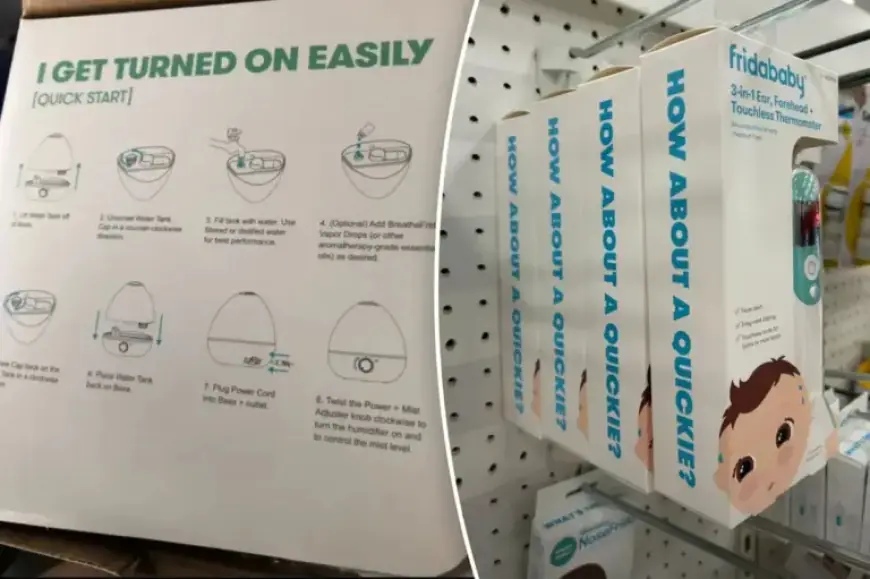
FridaBaby, a well-known baby care brand, faces significant backlash due to perceived inappropriate marketing tactics. Recently resurfaced ads and product packaging have sparked outrage among parents who believe the content sexualizes their products aimed at infants.
Backlash Over Inappropriate Marketing Tactics
Parents on social media argue that FridaBaby’s marketing crosses unacceptable boundaries. One criticized comment noted, “Sexual jokes to market baby products is actually sick and twisted.” Another user expressed their disgust, calling the ads “appalling and disgusting.”
Among the contentious marketing materials is the packaging for Frida’s 3-in-1 True Temp thermometer, which features a baby’s bare bottom accompanied by the caption, “This is the closest your husband’s gonna get to a threesome.” Another product, the 3-in-1 Ear, Forehead + Touchless Thermometer, bore the phrase “How about a quickie?”
Viral Response and Calls for Boycott
The controversial ads quickly went viral, amassing over 4.1 million views. Parents began revisiting other examples they found problematic. A notable case was a social media post from April 2020 showing a baby with nasal discharge, captioned, “What happens when you pull out too early #nosefrida #dontmove.”
- Lila Rose, president of Live Action, urged a boycott of FridaBaby, calling the marketing “unbelievably sick.”
- Parents on the Reddit forum r/NewParents echoed calls for a boycott due to the language used on the packaging.
- Some users questioned how marketing aimed at exhausting parents has devolved into sexual innuendo.
One user expressed, “What is wrong with the world? Have we reached a point where we post anything for money?” Others shared disappointment, stating that parents deserve better than this approach to marketing.
Support for FridaBaby Amid Backlash
Despite the negative attention, some consumers defended the brand. They claimed to have never encountered any sexual innuendos in FridaBaby products. As one user noted, “I can’t actually find any of these adverts anywhere official except on outraged videos/posts on social media.”
- Some consumers believe that the backlash may stem from a misunderstanding or falsified content for social media engagement.
- Others argue that the humorous language aims to resonate with new parents who often feel overwhelmed.
One parent expressed that the humor can provide a much-needed laugh during stressful parenting moments. They compared FridaBaby’s approach to Disney, suggesting it adds a layer of adult humor that helps lighten the caregiving experience.
Conclusion
The controversy surrounding FridaBaby highlights a broader discussion about marketing ethics in parenting products. While many demand accountability and a boycott, others see the potential for relatable humor in the products designed for weary parents. The debate continues as consumers navigate the balance between humor and appropriateness in marketing aimed at families.