

























Another small quake rattles Summerville; fifth tremor in Dorchester County since Feb. 3

Just hours after a previous event, the U. S. Geological Survey logged another minor earthquake in Dorchester County early Thursday, adding to a cluster of temblors that have unsettled residents in and around Summerville this week.
Latest tremor: where and when
The latest quake struck just after 3: 50 a. m. ET Thursday near the intersection of Ashley River and Dogwood Ridge Roads in the Summerville area. The U. S. Geological Survey listed the magnitude at 1. 8 with a depth of about 5 kilometers, roughly 3. 1 miles beneath the surface. Local officials described the event as small and noted no immediate reports of damage or injuries.
Part of a continuing pattern
This event marks the fifth seismic event in Dorchester County since Feb. 3. One of those tremors occurred around 9: 00 p. m. ET Wednesday on the opposite side of the Ashley River, and other minor shocks have been recorded in the broader Lowcountry region during the same period. Seismologists characterize these sequences as clusters of small quakes that can include likely aftershocks following an initial event.
Magnitude and depth — what it means
At magnitude 1. 8 and a shallow depth of 5 kilometers, the Thursday quake is considered very minor. Shallow quakes can be felt more readily than deeper ones, but magnitudes below 3. 0 seldom cause structural damage. Seismic instruments in the region register these small events and help experts map active faults and stress patterns in the crust beneath the Coastal Plain.
Historical context and regional risks
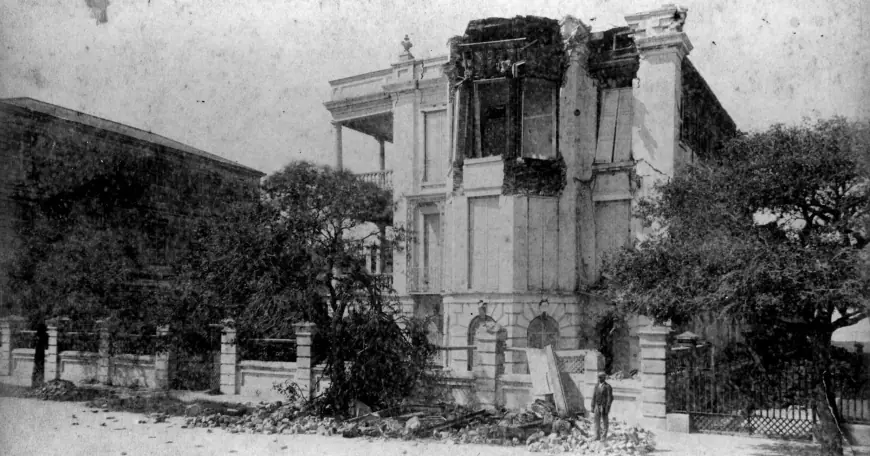
South Carolina has a long seismic history that includes rare but powerful events. The most destructive quake in state history struck Charleston in 1886, demonstrating that the region is capable of significant shaking. Geologists note that many of the state’s quakes are intraplate in origin — occurring away from plate boundaries — and may be triggered by stresses transmitted through the North American plate or activation of ancient faults. Coastal areas in particular face additional hazards such as liquefaction, where loose, sandy or filled soils can temporarily behave like a liquid during strong shaking.
What residents have felt and preparedness steps
Residents in Summerville and surrounding communities have described small rumblings and brief shaking during recent events. While no major damage has been identified, officials remind homeowners and tenants that preparedness reduces risk. Basic steps include securing heavy furniture, keeping an emergency kit with water and medications, and knowing how to "drop, cover and hold on" if stronger shaking occurs. Local agencies continue monitoring seismic activity and updating guidance as needed.
Why scientists keep watching
Seismologists continue to map faults under the Coastal Plain and track seismicity to improve understanding of regional patterns. Because many faults are buried beneath sediments and old landfill, detecting them often depends on recorded seismic events. Ongoing monitoring helps experts refine hazard assessments and informs community planning, especially in areas built on filled wetlands or loose soils that are more susceptible to earthquake-related ground failure.
For now, officials stress that the recent quakes have been small and pose low immediate danger, but they also note the value of staying informed and prepared given the state’s known seismic past.