



















Ukrainian Appeal Denied for Helmet Honoring War Victims at Olympics

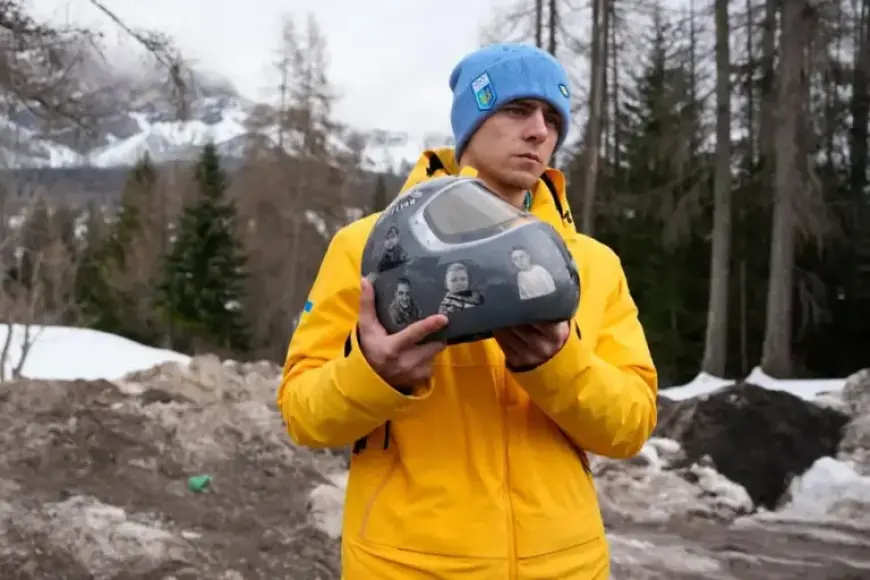
Ukrainian skeleton athlete Vladyslav Heraskevych faced disappointment after the Court of Arbitration for Sport (CAS) denied his appeal regarding a disqualification from the 2026 Milan Cortina Olympics. Heraskevych sought to compete while wearing a helmet that paid tribute to over 20 Ukrainian sports figures who lost their lives due to the ongoing conflict with Russia. Despite the emotional weight of his story and the arbitrator’s sympathy, the appeal was rejected on the grounds of Olympic regulations.
Details of the Appeal
The CAS ruled against Heraskevych’s helmet design, which was intended to honor both coaches and athletes after Russia’s invasion four years ago. The court underscored that wearing such a helmet during the competition violated established Olympic rules regarding athlete expression.
Key Points from the Ruling
- The court reiterated that an athlete could be disqualified without actual misconduct or safety threats.
- Heraskevych had been disqualified just 45 minutes before the race began.
- The arbitrator expressed understanding for Heraskevych’s intent but upheld the IOC’s policies.
Yevhen Pronin, Heraskevych’s attorney, highlighted that the IOC’s policy restricts athletes’ expressions during official events. The IOC’s guidelines focus on celebrating athletic performances and limit political statements to maintain a neutral atmosphere.
Reaction and Future Plans
After the CAS ruling, Heraskevych indicated that he felt the decision was final. He described his disqualification as feeding into Russian propaganda, given the ongoing tensions surrounding the war in Ukraine. Despite the ruling, he maintained his stance on the importance of honoring fallen Ukrainian athletes.
Heraskevych’s journey did not end with the ruling. He planned to attend a security conference in Munich, where he was expected to meet with Ukrainian President Volodymyr Zelenskyy. He left the Olympic Village in Cortina d’Ampezzo without plans to return.
Context of Olympic Regulations
The IOC’s decision to enforce strict rules regarding athlete expression has sparked criticism. Examples of athletes from other countries making personal tributes without penalty have raised questions. These include:
- U.S. figure skater Maxim Naumov, who displayed a photo in the kiss-and-cry area.
- Italian snowboarder Roland Fischnaller, who had a small image related to past Olympic sites on his helmet.
- Israeli skeleton athlete Jared Firestone, who wore a kippah in memory of athletes killed in the 1972 Munich Olympics.
Heraskevych stated he was surprised by the intensity of the backlash against his planned tribute. However, he remains committed to using his platform to raise awareness of the implications of the war on Ukrainian athletes.
As the Olympics progress, questions about athlete expressions and the IOC’s policies continue to rise. The denial of Heraskevych’s appeal highlights the ongoing tension between personal tributes and Olympic regulations.