

























Les Wexner Back in the Spotlight as Epstein File Disclosures and Ohio State Abuse Litigation Collide

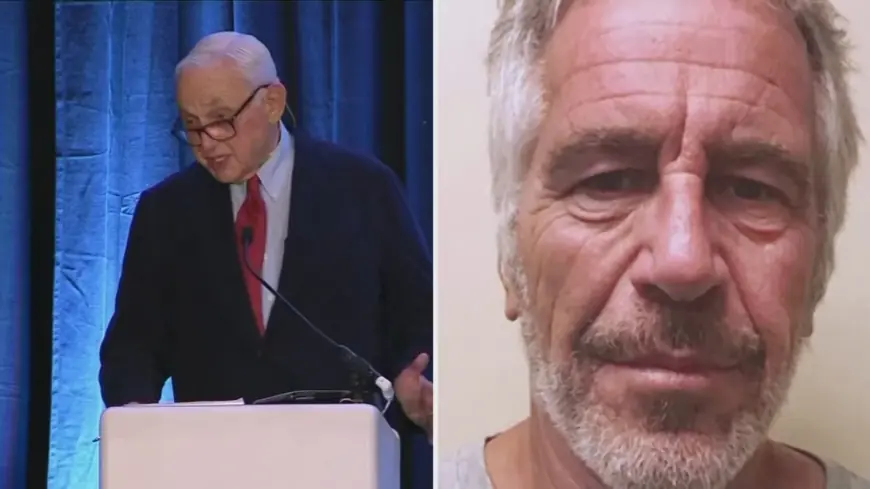
Les Wexner, the Ohio retail and real-estate billionaire long known for building a major lingerie empire and shaping Central Ohio’s civic landscape, is facing a renewed surge of scrutiny in mid-February 2026 as two separate tracks intensify at once: fresh disclosures from recently released Jeffrey Epstein-related records and a court-driven push to compel his testimony in litigation tied to sexual abuse by a former Ohio State team doctor.
The convergence matters because it pulls Wexner into overlapping debates about accountability, institutional power, and how elite networks respond when reputational risk turns into legal and political pressure.
What happened: the two storylines hitting at the same time
One development centers on Congress. In recent days, lawmakers publicly highlighted previously redacted names from Epstein-related documents, and Wexner’s name surfaced prominently in that context. The disclosures have reignited questions about how Epstein accumulated and moved money, who enabled his access, and why information stayed obscured for so long.
The second development is legal and Ohio-focused. A judge has ordered Wexner to sit for a deposition connected to lawsuits alleging institutional failures surrounding sexual abuse by former Ohio State physician Richard Strauss. That dispute is part of a long-running effort by survivors to obtain testimony and records from people they argue had influence over the university and its response.
Behind the headline: why Wexner keeps reappearing in high-stakes accountability fights
Wexner is a recurring figure in these narratives for one core reason: he sits at the intersection of wealth, institutional philanthropy, and proximity to decision-making. That combination turns him into both a symbol and a practical target.
In the Epstein sphere, Wexner’s relationship with Epstein was unusually consequential because it involved money management, access, and trust rather than distant social proximity. Recent reporting has also revived attention to a large financial settlement between the two men years ago, framed as repayment after allegations of major theft from Wexner’s fortune. Even without new criminal allegations against Wexner, the scale and structure of that relationship keeps inviting renewed examination whenever Epstein documents resurface.
In the Ohio State sphere, plaintiffs are pressing a broader theory: that power can shape how institutions treat warnings, complaints, and reputational threats. They are not only litigating what happened, but also who had influence, who was informed, and who could have forced earlier action.
Incentives and constraints: why the pressure is rising now
The incentives driving this moment are straightforward:
-
Lawmakers have political upside in demanding transparency in a case that still infuriates the public.
-
Plaintiffs in civil litigation have legal incentive to secure testimony from high-influence figures to test timelines and decision paths.
-
Institutions and prominent donors have reputational incentive to contain fallout, which can sometimes backfire by increasing suspicion.
Constraints are just as real:
-
Public release of names in files does not, by itself, establish wrongdoing.
-
Deposition fights can be narrow and procedural, producing limited public information in the near term.
-
Investigations and civil cases often move more slowly than the news cycle, leaving an information vacuum that amplifies rumor.
Stakeholders: who gains, who loses, who has leverage
-
Survivors and plaintiffs: They gain leverage if testimony reveals inconsistencies, delayed actions, or knowledge that was not disclosed.
-
Ohio State leadership and trustees, past and present: They face reputational exposure and potential financial impact from settlements and findings.
-
Lawmakers and investigators: They gain political capital by pushing for transparency, but risk overreach if claims outpace evidence.
-
Wexner and his network: They face reputational damage and potential legal risk depending on what testimony and documents show.
-
Central Ohio civic institutions: The ripple effects can touch fundraising, governance, and public trust where Wexner’s philanthropy has been significant.
What we still don’t know
Several missing pieces will determine whether this moment becomes a turning point or a short burst of attention:
-
What topics and time periods deposition questioning will focus on, and how much can be discussed publicly afterward
-
Whether any newly highlighted Epstein-related material contains specifics beyond name references, such as financial instructions, documented decision points, or corroborated witness accounts
-
Whether additional subpoenas or document requests expand beyond Wexner to other figures in either track
-
How institutions that benefited from Wexner philanthropy respond if public pressure increases for distancing or governance changes
What happens next: realistic scenarios and triggers
-
Deposition proceeds with limited public detail
Trigger: Protective orders and standard confidentiality practices keep specifics from immediate release. -
Deposition yields a headline contradiction
Trigger: Testimony conflicts with prior public timelines or internal records, prompting follow-up filings or expanded discovery. -
Congressional focus widens beyond a few names
Trigger: Additional lawmakers push for broader unredactions, hearings, or document production, shifting the story from individuals to system-wide concealment. -
Settlement pressure increases on the Ohio State cases
Trigger: New testimony or documents strengthen plaintiffs’ leverage and accelerate negotiations. -
Civic and institutional distancing grows in Columbus-area networks
Trigger: Sustained public backlash prompts boards, universities, or cultural institutions to review naming decisions, donor policies, or public messaging.
Why it matters
Les Wexner’s renewed visibility is not only about one person; it is about how modern accountability plays out when wealth, institutions, and long-running scandals collide. The next meaningful update is likely to come from sworn testimony and document fights rather than public statements. If new material clarifies who knew what, when, and how decisions were made, this story could shift from reputational turbulence to concrete institutional consequences.