





















Olympic Skeleton Racer’s Appeal Denied for Helmet Honoring Ukrainian War Victims

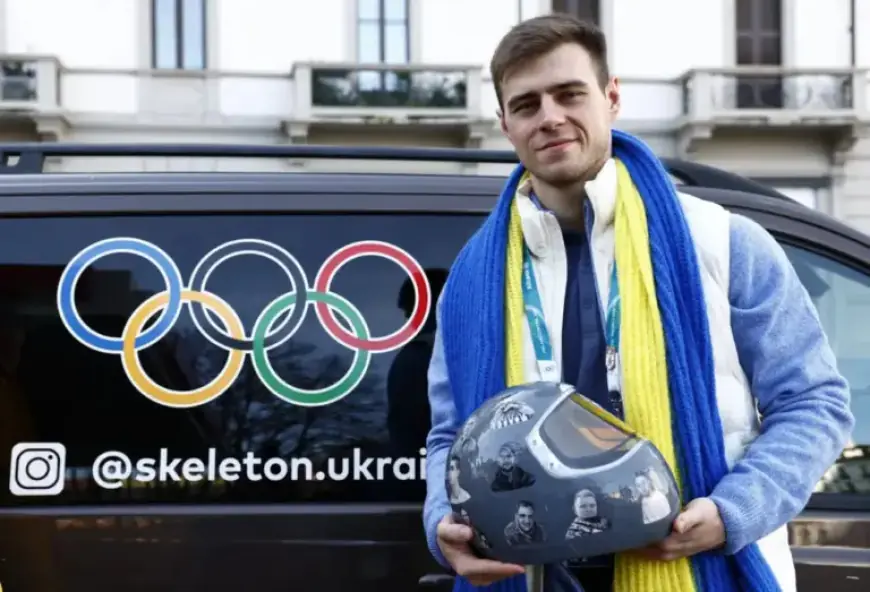
Ukrainian skeleton racer Vladyslav Heraskevych faced a setback in his appeal to the Court of Arbitration for Sport. His disqualification from the upcoming Olympic Games for wearing a helmet honoring Ukrainian war victims was upheld by the court, which sided with the International Olympic Committee (IOC) and the International Bobsled and Skeleton Federation.
Disqualification and Appeal Process
Heraskevych intended to wear a specially designed helmet during the Milan Cortina Olympics, featuring the faces of over 20 Ukrainian coaches and athletes who have died since the Russian invasion four years ago. The IOC and the sport’s federation ruled that this tribute would breach Olympic rules regarding athlete expression during competition.
The Court of Arbitration for Sport determined that an athlete can be disqualified even without misconduct or safety concerns. Yevhen Pronin, Heraskevych’s attorney, stated, “The court upheld that limitation is reasonable and proportionate.” The arbitrator acknowledged Heraskevych’s efforts to raise awareness about the impact of war on Ukraine, yet maintained that the helmet contravened Olympic policy.
Timing of Disqualification
Heraskevych was disqualified 45 minutes before the start of the race on Thursday. After the ruling was announced, he expressed his disappointment, stating, “Looks like this train has left.” He left Cortina d’Ampezzo with no plans to return and traveled to Munich for a meeting with Ukrainian officials and President Volodymyr Zelenskyy.
Support for Ukraine and Athlete Advocacy
During the meeting, Zelenskyy recognized Heraskevych’s spirit, asserting that “Ukraine will always have champions and Olympians.” The athlete’s commitment to honoring the memory of the deceased Ukrainian athletes drew widespread sympathy, even from the IOC, which reiterated its guidelines on athlete expression during the Games.
Discussion of Olympic Rules
The IOC has stated that maintaining focus on performance during competitions is crucial. They articulated this determination with tears from IOC President Kirsty Coventry, who emphasized that rules surrounding athlete expression must be respected to avoid pressure and political statements in Olympic arenas.
Heraskevych noted the irony in his case, pointing out other instances where Olympic tributes were seemingly overlooked. He questioned the consistency in rule enforcement, given that certain athletes were allowed to make personal tributes without penalty.
Future Opportunities for Expression
The IOC did extend an alternative for Heraskevych, allowing him to compete with a different helmet while still carrying his tribute during interviews. Despite this, the athlete felt that his disqualification contributed to Russian propaganda, stating, “I think it’s the wrong side of history for the IOC.”
- Event: Milan Cortina Olympics
- Athlete: Vladyslav Heraskevych
- Tribute: Helmet honoring 20+ deceased Ukrainian athletes
- IOC Statement: Focus on athlete performance during competition
As the controversy continues, the spotlight remains on how the rules of the Olympics will adapt to accommodate athletes’ voices while upholding the integrity of the Games. Heraskevych remains a symbol of resilience amid the ongoing conflict in Ukraine.