

























Japanese Beer Surge: The ‘Holiday in a Can’ Phenomenon Explored

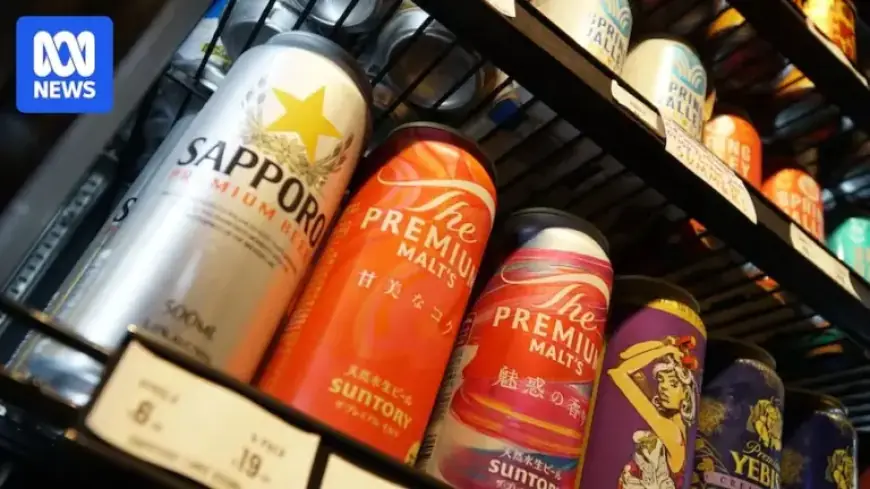
The resurgence of Japanese beer in Australia stems from an increasing demand for lighter and refreshing beverages. A standout in this trend is Yulli’s Karaoke Kingu Rice Lager, which gained popularity during the COVID-19 pandemic. Brewed by Yulli’s in Sydney, this rice lager was a collaboration with the Japanese hi-fi brand Audio-Technica. Initially intended as a limited release, it quickly became a regular offering and is now widely available in Japanese restaurants across Australia.
Growing Popularity of Japanese Beer in Australia
Japan’s beer culture is captivating Australians, influenced by their travel experiences. Notably, sales of Asahi’s Super Dry beer have surged by 40% since 2020. The nation’s dining culture and the appeal of Japanese lager, known for its “clean and easy drinking” qualities, are driving this trend.
- In December 2025, over 121,000 Australians visited Japan.
- Last year, Australia recorded 1 million visitors to Japan, according to the Japan National Tourism Organization.
Changing Drinking Habits
While beer remains favored among older generations in Japan, youth interest is dwindling. A survey highlighted that only 10% of individuals aged 20 to 29 enjoy beer. In contrast, 42% of those over 60 expressed their preference for it. Consequently, Japanese beer giants Kirin and Asahi are focusing on markets abroad to sustain growth.
Kirin owns Lion Nathan, a well-known Australian beer producer, while Asahi acquired Carlton & United Breweries in 2020. Together, these companies now contribute to approximately 85% of beer production in Australia.
Impact of Travel on Beer Preferences
As Australians travel to Japan, they seek to recreate their experiences at home. Andrew Gerrard, a senior consultant at Circana, notes that this travel trend translates into heightened domestic demand for Japanese beer.
The Rise of Japanese Beer Imports
Japanese beer currently accounts for 4% of beer imports into Australia. However, IBISWorld reports that imports have doubled over the last decade. Many consumers are shifting away from heavy craft beers, favoring easier-drinking options like Japanese lagers.
- Asahi has begun expanding its product range, including a popular lemon yuzu variety.
- New mid-strength and zero-alcohol beers are also being introduced.
Quality and Authenticity of Japanese Beer
Not all beer labeled as Japanese is brewed in Japan. Many brands, including Asahi and Kirin, are produced locally in Australia. These beers often lack the unique qualities attributed to Japanese brewing, such as the “soft” water that enhances flavor.
The Australian branch of Coopers Brewery produces Sapporo and Yebisu, both of which have seen consistent sales growth. Monsuta Okinawa Supreme, originating from Okinawa, highlights how diverse the market has become. This beer has been humorously dubbed “a holiday in a can,” offering drinkers a taste of Japan without the travel.
Conclusion: A Japanese Beer Cultural Phenomenon
The appreciation of Japanese beer in Australia signifies a deeper cultural connection. It combines travel experiences with a growing interest in Japanese cuisine and traditions. As consumer preferences evolve, the “Holiday in a Can” phenomenon showcases the unique appeal of Japanese beverages. With a focus on quality and ease of drinking, Japanese beer is firmly establishing itself in the Australian market.