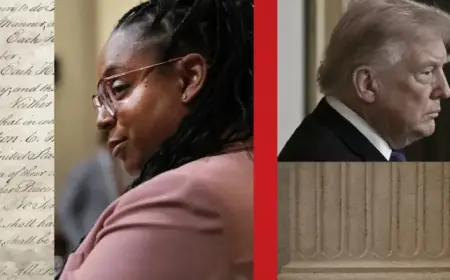

























Pam Bondi Hearing Fallout Grows After Heated House Clash With Jasmine Crockett and Other Lawmakers

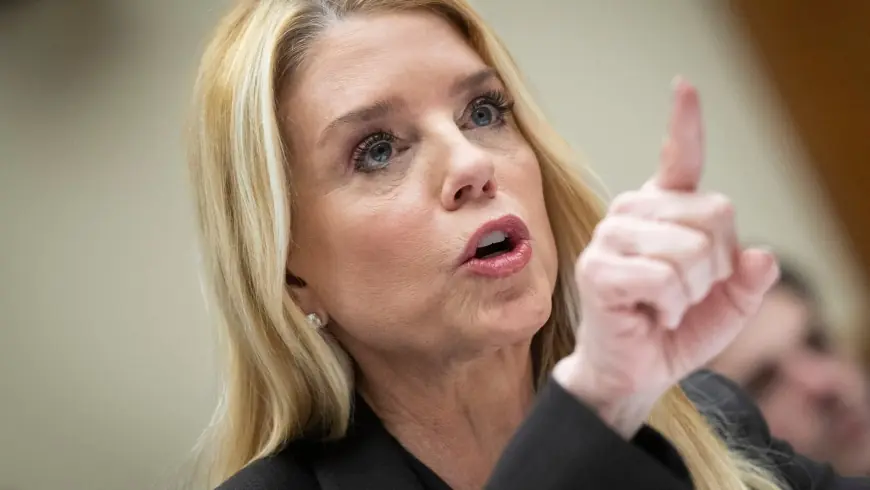
Attorney General Pam Bondi is facing intensifying scrutiny after a contentious House Judiciary Committee hearing this week that spiraled from oversight questions into a broader fight about transparency, congressional access, and whether the Justice Department monitored lawmakers reviewing sensitive Jeffrey Epstein-related materials. The hearing’s sharpest moments featured direct exchanges with Democratic lawmakers including Rep. Jasmine Crockett and Rep. Ted Lieu, while other members signaled unease about the episode’s implications for separation of powers and oversight norms.
The controversy matters because it’s not only about the Epstein files themselves. It’s about who controls the terms of access, whether Congress can oversee the Justice Department without being tracked, and how quickly a politically charged investigation can become a test of institutional boundaries.
Who Is Pam Bondi and How Old Is She?
Pam Bondi is the United States attorney general. She previously served as Florida’s attorney general and later became a prominent political legal figure. Bondi was born on November 17, 1965, which makes her 60 years old as of February 14, 2026, Eastern Time.
Her national profile has risen further as the Justice Department has become a central arena for political conflict, especially around high-salience investigations and document releases that attract intense interest across the political spectrum.
What Happened at the Pam Bondi Hearing
The hearing centered on Justice Department oversight, with a particular focus on Epstein-related records and the government’s handling of requests for information. Lawmakers pressed for clearer answers on what documents exist, what can be released, and why access protocols are structured the way they are.
What pushed the hearing into a new phase was an allegation that the Justice Department had visibility into lawmakers’ activity while they reviewed unredacted materials in a secure setting. The dispute gained traction after observers noticed materials that appeared to reflect a lawmaker’s search activity during the review process. Bondi’s critics argue that even the appearance of monitoring lawmakers chills oversight and raises constitutional red flags. Bondi’s defenders frame the incident as either misunderstood procedure or an administrative problem that is being politicized.
The Key Players: Crockett, Lieu, Massie, Jayapal, and Balint
Several names surfaced repeatedly as the hearing clips circulated:
-
Jasmine Crockett pressed Bondi with pointed questions and a prosecutorial style that has become a trademark of her committee appearances. The exchange highlighted the broader Democratic argument that the Justice Department is stonewalling or selectively disclosing information in a politically sensitive case.
-
Ted Lieu questioned the logic and consistency of the department’s posture, focusing on what the government can affirm versus what it claims it cannot share.
-
Thomas Massie, a Republican, signaled discomfort with the hearing dynamics and publicly amplified criticism about how the session was handled, underscoring that unease is not strictly partisan.
-
Pramila Jayapal became central to the monitoring allegation, with lawmakers demanding assurances that congressional oversight activity is not being logged or tracked.
-
Becca Balint’s name has appeared in the wider conversation as Democrats coordinate messaging that the issue is about oversight rights and institutional guardrails, not just a single hearing exchange.
Behind the Headline: Incentives Driving the Clash
This fight has three overlapping incentives:
First, transparency politics. Epstein-related records carry enormous public curiosity and suspicion. Politicians on both sides have incentives to demand disclosure, but they also have incentives to accuse the other side of hiding something when disclosure is partial, delayed, or heavily constrained.
Second, institutional control. The Justice Department wants to maintain strict handling protocols for sensitive materials, protect ongoing investigative equities, and avoid releasing information that could expose victims, compromise cases, or trigger legal liability. Congress wants meaningful oversight that does not require accepting executive-branch conditions that limit questions or chill review.
Third, coalition management. Bondi is facing pressure not only from Democrats but also from factions on the right that treat maximal disclosure as a loyalty test. That creates a squeeze: tighter controls invite accusations of a cover-up, while looser controls risk legal and operational blowback.
What We Still Don’t Know
Several facts remain unclear in public view:
-
Whether any monitoring of congressional review activity occurred as a matter of policy, as a technical byproduct of security systems, or not at all
-
Who authorized any tracking, if it happened, and what data was collected
-
What safeguards exist to prevent identifying which lawmakers searched for what
-
Whether the Justice Department will change procedures for future reviews
-
What specific tranche of documents is at issue and what legal constraints apply to release decisions
Until those points are clarified, the argument will keep expanding beyond one hearing into a broader institutional dispute.
What Happens Next: Likely Paths and Triggers
Here are realistic next steps to watch, with triggers that would move the story:
-
Written demands for policy changes
Trigger: lawmakers request formal commitments banning tracking of congressional review activity. -
A Justice Department procedural revision
Trigger: public pressure builds, and the department announces revised review-room protocols. -
A follow-up hearing or subpoena fight
Trigger: Congress concludes answers were incomplete and escalates to compulsory process. -
Internal review or inspector general interest
Trigger: evidence emerges suggesting an actual policy, not a one-off incident. -
Political spillover into confirmation and funding battles
Trigger: the dispute becomes a bargaining chip in budget negotiations or future oversight showdowns.
Why It Matters
If the Justice Department is perceived as tracking lawmakers engaged in oversight, it risks normalizing a chilling effect that weakens Congress’s ability to check executive power. If Congress is perceived as turning sensitive investigative material into a political spectacle, it risks undermining victim protections and public trust in legitimate investigative constraints. Either way, the Bondi hearing is no longer just a viral clash moment. It has become a test of boundaries: how oversight works when the subject matter is explosive, the incentives are maximal, and neither side trusts the other to handle the truth responsibly.