























Why Charlie Sheen Stepped In After Michael J. Fox Left Spin City

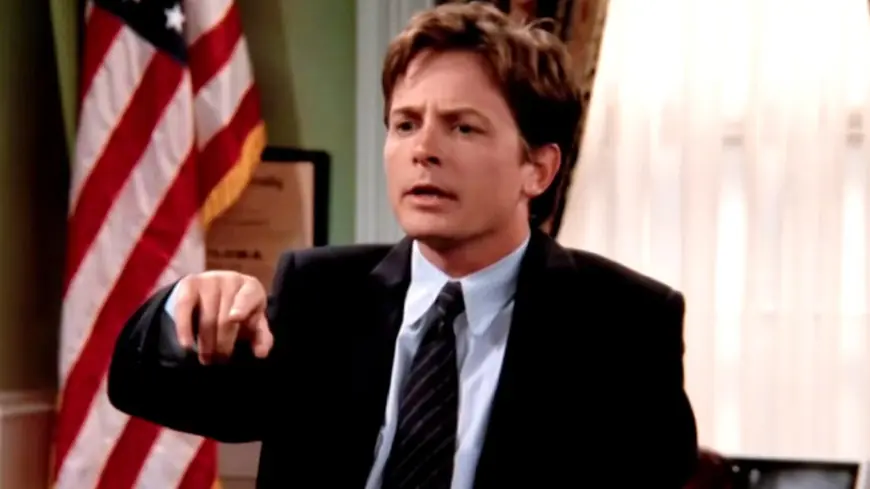
Michael J. Fox’s acclaimed run on Spin City ended after Season 4 when his Parkinson’s symptoms intensified, prompting a carefully managed transition that brought Charlie Sheen into the lead role. Years later, Fox has been candid about the decision, the fears he faced, and how he continued to shape the series even after stepping away from center stage.
A diagnosis kept private for years
Fox was diagnosed with Parkinson’s disease in 1991, long before he shared the news publicly in 1998. In a 2019 interview, he reflected on those early years, describing a period defined by uncertainty and anxiety. “I’m fine now, but back then I wasn’t in the ‘I’m fine now. ’ I was in the ‘I’m going to be bad, ’” he said, recalling how fear distorted his thinking about time and money and complicated decisions about his career.
That shift in perspective—accepting the disease without surrendering to it—arrived gradually. By the mid-1990s, said he began to confront the reality of Parkinson’s directly. “Acceptance doesn’t mean resignation. It means understanding and dealing straightforwardly, ” he explained, adding that his work on Spin City became part of that process as he recalibrated what his life and career could look like.
Leaving Spin City after Season 4
As his symptoms worsened, Fox concluded he could not continue leading the fast-paced sitcom beyond its fourth season. It was a professional crossroad that mixed pragmatism with resolve: he would step down earlier than he’d hoped, prioritizing health while protecting a show he helped turn into a hit. The production moved swiftly to stabilize the series, ushering in Charlie Sheen as a new character to anchor the ensemble for the final two seasons.
For fans, the switch marked one of network television’s most closely watched transitions of the era. For Fox, it was a deeply personal decision—an outcome shaped by years of private struggle, evolving acceptance, and an insistence on doing the work the right way, not merely the fast or lucrative way.
Prioritizing meaning over momentum
By 1994, said he had begun selecting projects with a renewed focus on purpose. That ethos continued through Spin City. He emphasized choosing film and television roles that mattered to him rather than chasing a relentless schedule. The recalibration didn’t signal a retreat from the industry so much as a new framework for engagement: measured, intentional, and honest about the limits Parkinson’s imposed.
That approach would inform his post–Spin City choices, from select acting appearances to advocacy and producing work, as he balanced creativity with health.
A candid 2011 quip about his successor
Even amid serious circumstances, Fox’s humor stayed intact. Reflecting years later on Sheen taking over, he praised the performance and, with a grin, noted the arrangement had an upside: “He did a great job and it was fantastic. It was especially good because he worked and I got paid. ” The quip captured Fox’s trademark blend of grace and levity—supportive of the show’s continuity while unflinchingly honest about the realities of show business.
Still shaping the show from behind the scenes
Though he left the lead role, Fox remained an executive producer through the end of Spin City’s run, helping steer the series he had defined from the outset. He also returned for a three-episode arc in the final season, giving fans a meaningful on-screen coda. His character, Mike Flaherty, marries and heads to Washington, D. C., taking up work as an environmental lobbyist—an exit that felt both plausible and poignant.
In a wink to longtime viewers, Mike encounters a Republican senator from Ohio named Alex P. Keaton, a playful nod to Fox’s iconic character from Family Ties. The cameo-within-a-cameo underscored how intertwined Fox’s television legacy had become across decades of work.
A winking farewell—and what came next
Fox’s Spin City departure was less a closing chapter than a recalibrated course. He continued to act selectively, turning up for resonant guest turns, including a recent appearance on the series Shrinking, while deepening his off-screen commitments. The throughline has been consistency: an artist candid about the constraints of illness, and determined to keep participating in the medium on his own terms.
In retrospect, the handoff to Sheen reads as both practical and graceful. It preserved the show’s momentum while honoring the health realities Fox faced. More importantly, it reaffirmed the spirit that has defined michael j fox throughout his career—resilience, wit, and an unshakable sense of purpose.