

























Scotty James books Olympic halfpipe final as U.S. teen Barbieri leads American trio

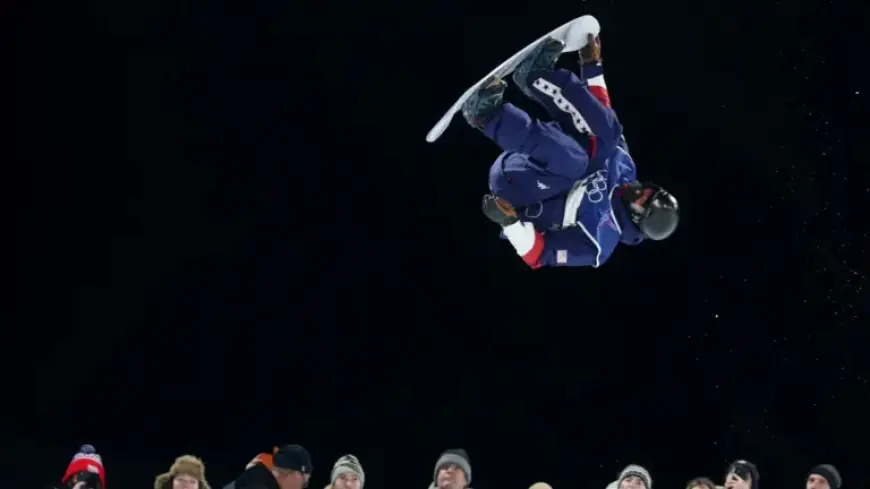
Scotty James advanced to the men’s snowboard halfpipe final in Livigno on Thursday, setting the stage for a high-stakes showdown on Friday. Seventeen-year-old Alessandro Barbieri led a three-strong American contingent into the medal round, adding fresh firepower to a final that also features defending champion Ayumu Hirano and Japan’s deep roster.
James chases the one prize that has eluded him
James, one of halfpipe’s most complete riders, returns to the Olympic final with the lingering itch of unfinished business. The Australian owns silver from Beijing 2022 and bronze from Pyeongchang 2018, but the top step has remained just out of reach. He arrives in Livigno with trademark precision and polish — towering amplitude, refined grabs, and switch mastery — plus momentum from a landmark combo last month when he unveiled back-to-back backside 1440s, a first-of-its-kind pairing in competition. The question is whether that unrivaled style package can outscore runs anchored by multiple triple corks.
Barbieri headlines an American surge
Barbieri, 17, has rapidly become a centerpiece of the U. S. men’s program, and his presence in the final underscores a generational handoff unfolding in real time. He’s among the few riders to have landed more than one triple cork in a run — a calling card that has reshaped medal math at the elite level. Two other Americans also advanced, giving the United States three shots at the podium and tactical options across the run order as the final unfolds on Friday.
Hirano’s fitness adds intrigue, Japan remains formidable
Hirano, the reigning champion, has navigated a rocky run-up after a heavy crash in Switzerland last month left him nursing a broken nose and other knocks. He has indicated he is not yet at full strength, but even a diminished Hirano is a threat when he dials his triple and maintains speed through the wall transitions. Japan’s squad depth, with contenders such as Yuto Totsuka in the mix, ensures the pressure will ratchet up from the opening drop-in.
The trick calculus: triples, variety, and a tantalizing 1620
The sport’s progression curve has turned triple corks from spectacle into necessity for podium contention. Riders stacking two triples — a club that includes Barbieri and New Zealand’s Cam Melville Ives — will command instant attention if execution stays clean. The wild card is whether anyone pushes the envelope to a triple-cork 1620 in the heat of an Olympic final. The trick has flashed in training sessions, igniting debate over whether it can be landed with contest-ready consistency when pressure peaks.
How James can win without chasing every triple
James has long made his case through amplitude, difficulty arranged with intent, and immaculate presentation: locked-in grabs, clean landings, and switch spins that demand world-class board control. Judges reward risk, but they also scrutinize variety and flow — back-to-back rotations in both directions, the balance of frontside, backside, cab, and switch backside, and the way riders link features without scrubbing speed. If he threads a near-flawless run that maximizes those levers, he can keep pace with triple-heavy rivals — and potentially outscore them if they falter on execution.
Final set for Friday as medal stakes peak
The men’s halfpipe medals will be decided Friday in Livigno, with the action falling during U. S. daytime hours on Friday, Feb. 13 (ET). With a field that blends proven champions and next-gen phenoms, expect strategic first runs, pressure-packed adjustments in the middle, and an all-in final pass as riders chase clean landings and one defining moment to sway the panel. Whether the day belongs to clinical style, brute-force difficulty, or a rare blend of both will determine if James finally completes his career set — or if a triple-hunting challenger steals the spotlight.