




















MPA Urges ByteDance to Limit New AI Model on TikTok

The Motion Picture Association (MPA) has called on ByteDance, the owner of TikTok, to limit its new AI model, Seedance 2.0. The MPA aims to stop the unauthorized use of copyrighted material that has recently come to light.
Concerns Over Copyright Violation
Charles Rivkin, MPA’s chairman and CEO, highlighted critical issues raised by Stemance 2.0’s operations. He stated that the AI tool had engaged in large-scale infringement of U.S. copyrighted works within just one day of its launch.
Rivkin emphasized the importance of protecting the rights of creators, which are foundational to numerous American jobs. He urged ByteDance to halt its infringing activities immediately.
Examples of Infringement
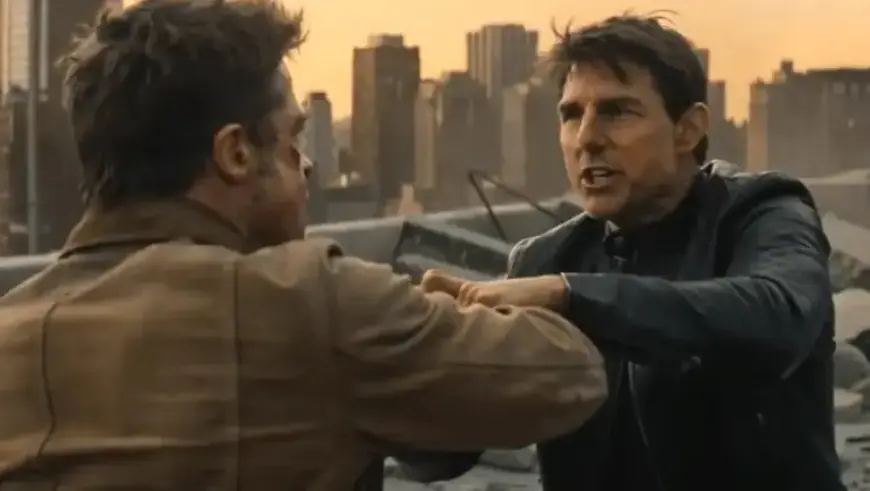
According to reports from Deadline’s Jake Kanter, Seedance 2.0 has produced deepfake content featuring high-profile stars like Brad Pitt and Tom Cruise. The AI has remarkably recreated popular film scenes and characters, raising significant legal concerns.
- Produced a deepfake showdown between Brad Pitt and Tom Cruise.
- Created remixes of Avengers: Endgame.
- Reimagined a scene from Friends with characters Rachel and Joey depicted as otters.
Major studios, including Disney, Warner Bros. Discovery, and Paramount, have raised alarms about these unauthorized reproductions. The potential for misusing copyrighted material poses a serious threat to the film industry.
Regulatory Actions and Reactions
In a separate development, TikTok’s U.S. operations were reorganized into a new joint venture last month. This move was prompted by a Congressional mandate requiring ByteDance to divest its American subsidiary.
In October, studios expressed similar concerns after OpenAI released Sora 2, another AI tool capable of generating works featuring copyrighted characters. In response to these concerns, OpenAI instituted new restrictions on its service.
The MPA’s push for ByteDance to limit its AI model highlights ongoing tensions in the intersection of technology and copyright law. The future of AI-generated content will depend heavily on legal frameworks that protect intellectual property.