





















Adam Rippon’s Sport Returns to Center Ice: 2026 Olympic Figure Skating Schedule and Early Highlights

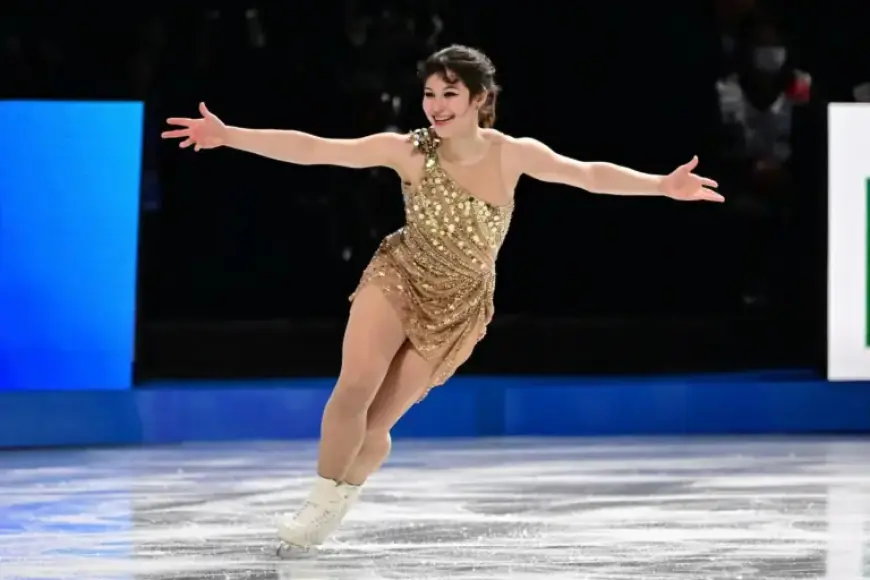
Figure skating glides back into the global spotlight at the Milan-Cortina Winter Games, with live action rolling from early mornings through primetime for U. S. viewers. Here are the essential viewing windows in Eastern Time, the full Team USA roster, an early spark from Madison Chock and Evan Bates, and why Olympic medalist Adam Rippon’s influence still hums through the rink in 2026.
When to watch in the U. S. (ET)
Competition on the ice begins before the cauldron is lit, with figure skating coverage starting as early as 4 a. m. ET. The Opening Ceremony lands on Friday, February 6, presented live at 2 p. m. ET with an encore at 8 p. m. ET. Expect daylong windows across television and streaming, plus nightly replays designed for primetime audiences.
Scheduling can tighten or shift around the marquee events, but fans will find consistent live blocks throughout the day and curated primetime shows each night. Plan for early alarms for live sessions and comfortable couch time for prime replays once evening hits the East Coast.
Key figure skating windows at a glance
Among this week’s core blocks for the team and men’s events (all times ET):
- 12: 30 p. m. ET: Team Event — Pairs Short Program
- 1: 00 p. m. ET: Team Event — Women’s Short Program
- 1: 45 p. m. ET: Team Event — Men’s Short Program
- 8: 00 p. m. ET: Primetime in Milan, featuring Men’s Short and Free Dance
- 10: 45 p. m. ET: Primetime in Milan, featuring Men’s Free Skate
These sessions anchor a broader slate of practices, warm-ups, and additional competition segments throughout the day. Check same-day listings for late adjustments and any expanded replays.
Team USA roster: who’s taking the ice
Sixteen skaters represent the United States in Milan-Cortina, spanning women’s singles, men’s singles, pairs, and ice dance:
- Women: Amber Glenn, Isabeau Levito, Alysa Liu
- Men: Ilia Malnin, Maxim Naumov, Andrew Torgashev
- Pairs: Emily Chan and Spencer Akira How; Ellie Kam and Danny O’Shea
- Ice Dance: Christina Carreira and Anthony Ponomarenko; Madison Chock and Evan Bates; Emilea Zingas and Vadym Kolesnik
With a blend of veteran poise and emerging power, the squad targets the podium across multiple disciplines, including the multi-segment team event that rewards depth as much as individual brilliance.
Early spark: Chock and Bates ignite the rhythm dance
Ice dance leaders Madison Chock and Evan Bates delivered a jolt of momentum with a standout rhythm dance, energizing the American contingent and setting a competitive tone for the discipline. Their precision and musicality have been longstanding hallmarks, and the duo’s opening statement adds welcome stability to a team eyeing big cumulative points.
In a format where consistency is currency, a clean, high-scoring rhythm dance can be the hinge for medal hopes. The performance also signals a crowded, high-caliber dance field in Milan-Cortina—one that will test edges, speed, and nerves from here to the free dance.
Why Adam Rippon’s legacy still resonates
Even as a new generation fills the lineup, Adam Rippon’s imprint on U. S. figure skating endures—through artistry-first performance, sharp competitive instincts, and a knack for connecting the sport to mainstream audiences. His Olympic breakthrough helped reframe expectations for what a modern program can be: charismatic, cleanly constructed, and unafraid to take risks.
That ethos echoes in 2026: choreographic ambition in the women’s field, the technical arms race in the men’s short and free, and the theatrical polish that now defines top-tier ice dance. For fans who fell in love with the sport during his Olympic run, the Milan-Cortina stage offers familiar thrills—from needle-threading jumps to final-minute lifts that can flip a leaderboard.
Team event basics and what’s next
The team event aggregates short and free segments across disciplines, with points awarded by placement in each segment. Deep delegations can thrive by stacking top-five finishes even if they don’t sweep the wins. That makes every skate consequential, especially the short programs and rhythm dance that set the order and pressure for the free segments.
Eyes now turn to the evening blocks featuring the men’s short and the free dance at 8: 00 p. m. ET, followed by a late window at 10: 45 p. m. ET showcasing the men’s free skate. With early rhythm dance energy banked and the team event underway, the medal chase tightens—and the runway to the individual finals begins to shorten.