

























Richard Tice Blasts Rachel Reeves Over New ‘Holiday Tax’ Imposed on Brits

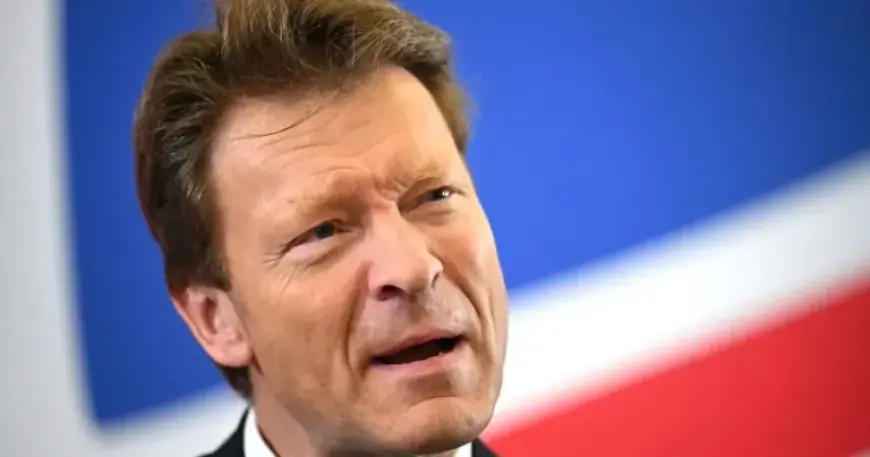
Richard Tice, the Member of Parliament for Boston and Skegness, has criticized Labour’s Rachel Reeves over a proposed ‘Holiday Tax’ for British families. Tice claims this tax represents an unfair burden on working families already facing budgetary pressures. He urges the government to prioritize economic growth instead of imposing additional charges on domestic travel.
Concerns Over Proposed Visitor Levy
In a recent statement to The Sun, Tice expressed his belief that traveling within the UK should not incur hidden fees. He emphasized that the government ought to support citizens rather than penalize them for taking holidays. His concerns echo sentiments expressed by around 200 leaders from prominent UK accommodation firms, including Butlin’s, Hilton, and Travelodge.
Industry Reaction
The hospitality sector, organized by the UKHospitality trade body, has voiced strong opposition to the proposed visitor levy. In a letter directed to the Chancellor, these business leaders warned that the levy would significantly impact families, jeopardize jobs, and diminish local economic activity.
- Visitors would face additional charges when staying in hotels, Airbnbs, and holiday rentals.
- The aim is to provide local mayors with greater funding for infrastructure and transportation projects.
- Similar visitor taxes have already been implemented in Scotland and Wales.
Impacts on Families
Industry executives fear that the new tax could alter vacation habits for many families. The letter indicated that this levy might make holidays unaffordable, leading families to either shorten their trips or choose to vacation abroad. Such a shift could adversely affect local businesses that rely on tourist spending.
Government’s Position
A government spokesperson defended the proposal, stating that it aims to boost local economies by empowering mayors to invest in their communities. The spokesperson assured that any new tourist charges would be moderate and consistent with practices in other nations.
This issue is set against the backdrop of ongoing debates about how best to support economic recovery in the aftermath of the pandemic while still fostering sustainable tourism in the UK.