
























Raleigh Shooter Receives Life Sentence Without Parole

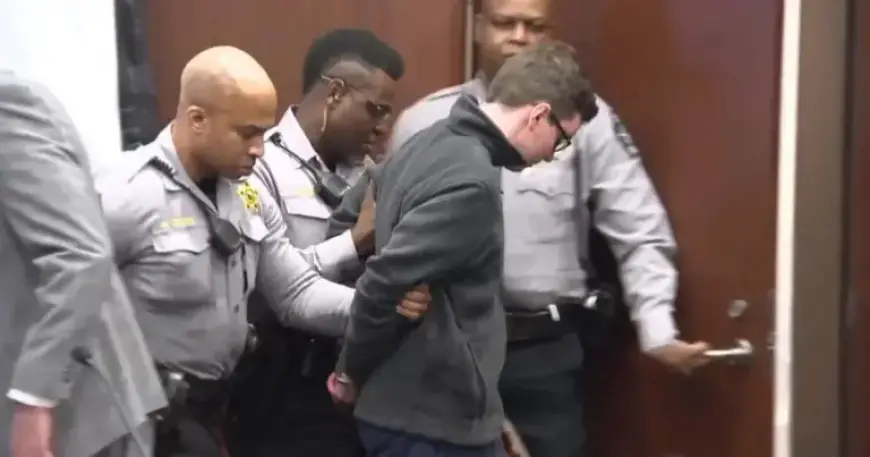
The Raleigh mass shooting that occurred in October 2022 concluded with Austin Thompson receiving a life sentence without the possibility of parole. This decision was finalized on a recent Friday morning in Wake County court, where Thompson was convicted on five counts of murder.
Details of the Sentence
The court imposed a minimum of 157 months for both the attempted first-degree murder of Lynn Gardner and the assault with a deadly weapon causing serious injury. The same sentence applies to the attempted murder of a law enforcement officer combined with assault charges.
Key Details from the Hearing
- Sentencing Judge: Paul Ridgeway
- Victims: Five individuals were fatally shot, including Raleigh police officer Gabriel Torres and James Thompson, the shooter’s brother.
- Timeline: The shooting took place on October 13, 2022.
- Thompson’s Age: He was 15 at the time of the incident and is currently 18.
Courtroom Statements and Defense Arguments
During the sentencing, Judge Ridgeway emphasized the premeditated nature of the crime, stating that Thompson’s actions demonstrated extreme malice and irreparable corruption. He highlighted the extensive deliberation before the attack as critical evidence of Thompson’s guilt.
Despite the severity of the crimes, Thompson’s defense attorney argued that he has changed significantly since the shooting. They insisted he possesses the potential for rehabilitation, dubbing this transformation “Austin 2.0.” However, the judge ultimately rejected the defense’s claim that acne medication contributed to Thompson’s mental state during the incident.
Final Decision and Public Reaction
The ruling came after two weeks of legal proceedings, with numerous testimonies being heard. The courtroom was filled with the families of the victims, mourning their losses while awaiting justice. Thompson had previously pleaded guilty to various charges, including two counts of attempted murder and several assault charges related to the shooting.
The legal framework for Thompson’s sentencing included a possibility of parole after 25 years, but the court’s decision to impose a life sentence without parole reflects the gravity of the crimes committed. The implications of this verdict extend beyond Thompson, affecting the community still healing from the tragic events of that day.
This case serves as a stark reminder of the violence that can erupt in communities and the profound impact it leaves behind.