























Cardi B fires back at Homeland Security after ICE remark draws online jab

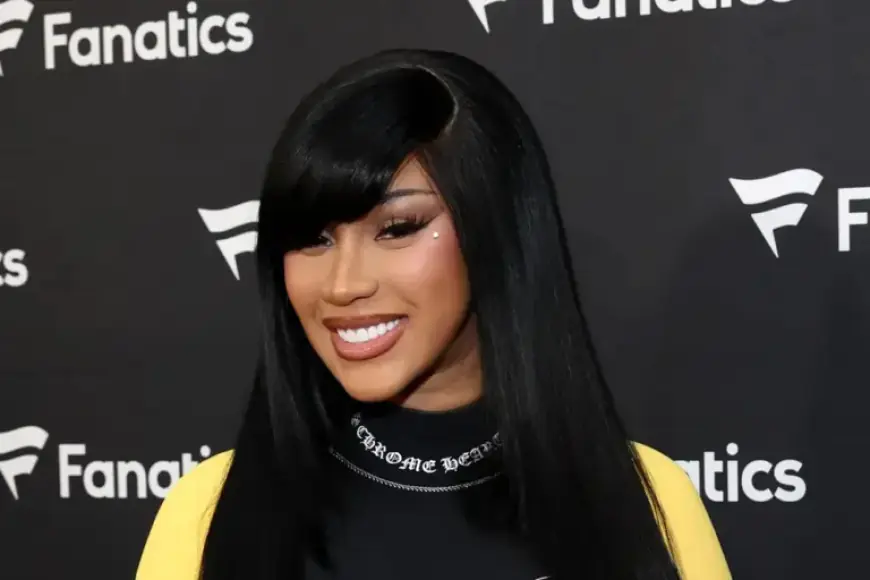
Cardi B ignited a fresh political dust-up this week, trading barbs with the Department of Homeland Security after her onstage warning about Immigration and Customs Enforcement set off a sharp exchange on social media. By Thursday afternoon ET, the back-and-forth had become the latest flashpoint at the intersection of pop culture and national politics.
Onstage warning in Palm Desert
During a Wednesday night stop on her Little Miss Drama Tour in Palm Desert, Calif., the Grammy winner delivered a blunt aside to the crowd while referencing the possibility of federal immigration officers being present. “Bitch, If ICE comes in here, we gon’ jump they asses,” she said from the stage. “I’ve got some bear mace in the back! They ain’t taking my fans, bitch.”
The comment — wrapped in the rapper’s signature bravado — drew immediate attention online, where fans debated whether the moment was a tongue-in-cheek rallying cry or a combustible provocation at a time of heightened political tension around immigration enforcement.
Government clapback, then a sharper retort
Not long after the clip circulated, the Department of Homeland Security took aim at the artist on its official social channels, delivering a pointed rejoinder that referenced her past admission that, years before her rise to fame, she drugged and robbed men while working as a stripper. “As long as she doesn’t drug and rob our agents, we’ll consider that an improvement over her past behavior,” the agency’s account posted.
Cardi B answered in kind, pivoting the conversation to the ongoing scrutiny of Jeffrey Epstein’s network and records. “If we talking about drugs let’s talk about Epstein and friends drugging underage girls to rape them,” she wrote. “Why y’all don’t wanna talk about the Epstein files?”
The volley underscored how quickly cultural flashpoints now draw in official government voices — and how forcefully celebrity figures can redirect those narratives in real time.
Epstein files loom over the exchange
The artist’s response came as interest has intensified around newly released federal records connected to Epstein, who died in 2019 while awaiting trial on sex-trafficking charges. In recent weeks, millions of pages of material have been made public, prompting fresh scrutiny of public figures linked to Epstein’s orbit.
Former President Donald Trump’s name appears more than 5,300 times in those files. He has denied wrongdoing and has not faced charges related to the documents. The widening disclosure has become a political and cultural flashpoint of its own, fueling calls for transparency and accountability across industries.
Industry ripples and accountability debate
The reverberations are being felt in the music world, too. Casey Wasserman, the powerful talent representative whose firm has long worked with top artists, is facing backlash for past ties to Ghislaine Maxwell, Epstein’s longtime associate who is serving a 20-year sentence for sex trafficking. In recent days, artists including Chappell Roan and Orville Peck have exited his roster, with some calling for leadership changes. The moves reflect a broader conversation within entertainment about the responsibility of executives and agencies when historical relationships come under renewed scrutiny.
Cardi B’s intervention — steering a spat about immigration enforcement toward the broader issue of sexual exploitation and the handling of the Epstein records — tapped into that debate, amplifying pressure on institutions to address what critics view as long-overdue questions.
What it means for Cardi B and the conversation ahead
For Cardi B, who has never shied away from political commentary, the episode reinforces her role as a celebrity provocateur unafraid to mix performance with polemic. Supporters see her outspokenness as a platform-shifting force that keeps hot-button issues in the foreground; detractors argue that incendiary rhetoric, particularly about federal agents, risks crossing lines.
Whether the Department of Homeland Security opts to escalate or step back remains to be seen. The agency’s initial jest framed the rapper’s past admissions as fair game, while her reply used the moment to press for broader accountability tied to the Epstein revelations. If both sides hold their ground, the dispute could linger as the tour rolls on, with Cardi B’s next appearances inevitably viewed through the lens of this week’s clash.
In the meantime, the exchange illustrates a familiar dynamic of the social media era: a remark from the stage ricochets online, draws an institutional response, and quickly morphs into a referendum on larger issues — in this case, immigration enforcement, celebrity responsibility, and the still-unfolding ramifications of the Epstein files.