

























Regulation Repeal Signals End for ‘Universally Hated’ Car Feature

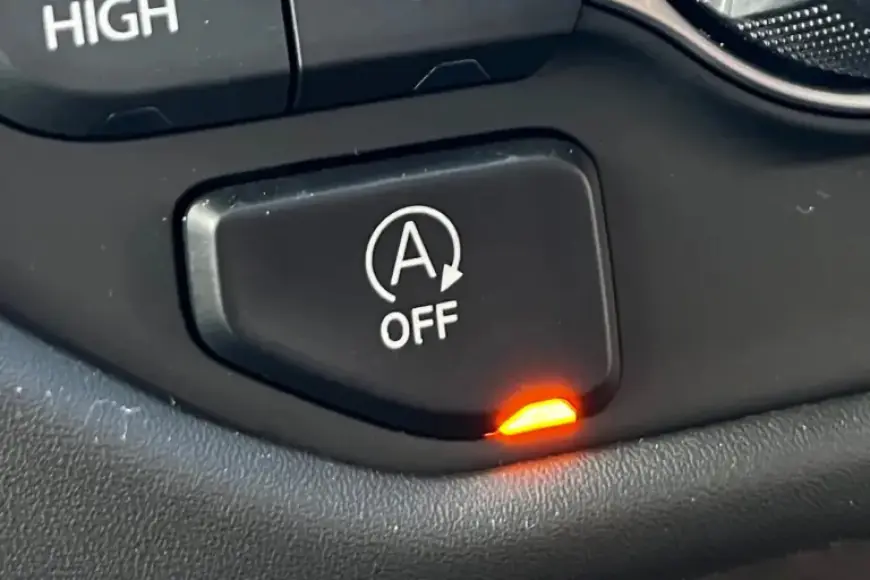
The recent repeal of regulations by the U.S. Environmental Protection Agency (EPA) marks a significant shift in automotive features, particularly the removal of incentives for start-stop engine technology. This move has been described as a response to consumer feedback, with the start-stop feature often regarded as “universally hated.”
End of Start-Stop Technology Incentives
In a decision made public recently, the EPA, under the leadership of Administrator Lee Zeldin, has eliminated the credits that incentivized manufacturers to include start-stop systems in their vehicles. This regulation change effectively allows carmakers to produce models without this feature, which aims to enhance fuel efficiency.
Impact of the Regulation Repeal
This deregulation is part of a broader initiative by the administration to reduce environmental regulations. According to Zeldin, this action is intended to prioritize consumer choice and align with the American Dream.
- The repeal is projected to save taxpayers approximately $1.3 trillion.
- The average cost of new vehicles is expected to decrease by $2,400.
While start-stop technology was not mandatory for new vehicles in the U.S., its prior regulations encouraged its installation. As a result, nearly two-thirds of new cars were equipped with it due to the favorable regulatory environment.
Trends in Vehicle Emissions Regulations
Following this move, the Trump Administration has continued to shift away from stringent vehicle emissions regulations. This includes previous actions like repealing electric vehicle tax credits and altering tailpipe emission targets.
Future of Start-Stop Technology
Car manufacturers still retain the option to incorporate start-stop engine technology in their vehicles. However, without regulatory incentives, the future prevalence of this feature in U.S. cars may decline.
In contrast, automotive policies in countries like Australia are tightening. Their New Vehicle Efficiency Standard penalizes manufacturers for exceeding fleet emissions targets, promoting the integration of emission-reducing technologies in new vehicles.
The evolving regulatory landscape reveals a fundamental change in how emissions and vehicle technologies are approached, as both consumer preferences and governmental policies continue to shape the automotive industry.