
























Zimbabwe Cabinet Endorses Mnangagwa’s Rule Extension Until 2030

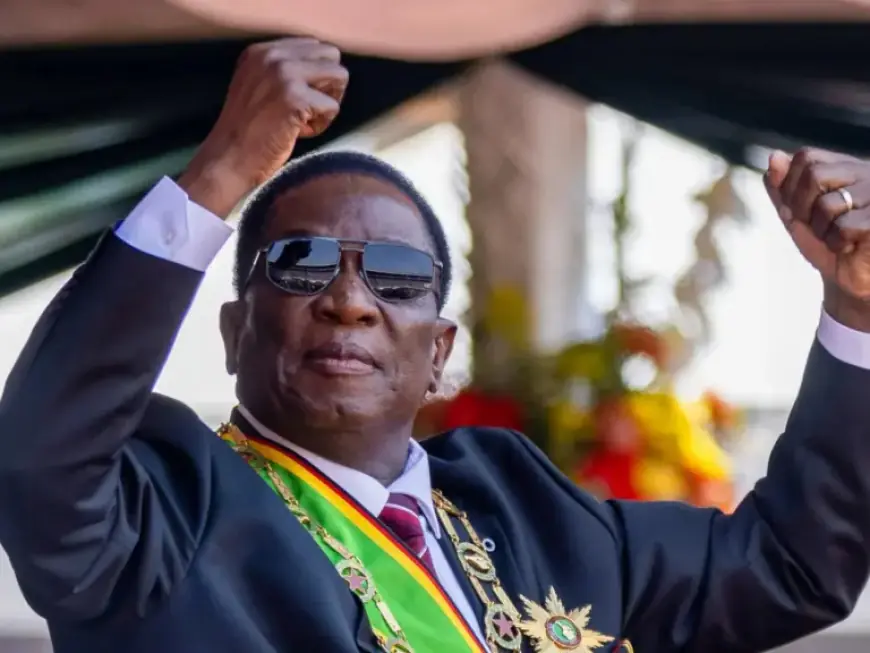
The Zimbabwean cabinet has approved a proposal aimed at extending President Emmerson Mnangagwa’s rule until 2030. This legislation seeks to amend the constitution, allowing presidential terms to last seven years instead of the current five. If ratified, it would enable Mnangagwa, who is currently set to leave office in 2028, to remain for an additional two years.
Key Aspects of the Proposed Legislation
- The bill proposes to alter presidential terms from five to seven years.
- It suggests that the president be elected by Parliament rather than through a popular vote.
- Additional provisions include allowing the president to appoint ten more senators, which would expand the Senate to a total of 90 seats.
Background on President Mnangagwa
Emmerson Mnangagwa, 83, ascended to power in 2017 after the military deposed long-time leader Robert Mugabe. He was elected in 2018 and re-elected in 2023, but his administration has faced criticism for corruption and human rights abuses.
Political Reactions
Opposition leaders have condemned the push to extend Mnangagwa’s presidency. Jameson Timba, a prominent figure in the opposition, labeled the cabinet’s decision as politically destabilizing. He stated that his group, Defend the Constitution Platform, would consult legal experts to oppose the changes effectively.
Path Forward for the Legislation
The Justice Minister, Ziyambi Ziyambi, indicated that the bill will be submitted to the speaker of Parliament and published in the official gazette for legislative consideration. Analysts note that any amendments affecting an incumbent’s presidency should be subjected to a national referendum.
ZANU-PF’s Influence
The ruling ZANU-PF party has maintained control over Zimbabwe since the country gained independence in 1980. With a two-thirds majority in the lower house and substantial influence in the upper house, the party can feasibly push through constitutional amendments.
Opposition politician David Coltart expressed concern that the ruling party might attempt to circumvent a referendum due to fears of public dissent. He maintains that any proposal extending a president’s time in office must go to a vote to ensure democratic integrity.
Public Sentiment and Protests
Despite the government’s claims of a growing economy, many Zimbabweans are experiencing hardship. Recent attempts to protest against the presidency extension have been met with a heavy police crackdown, resulting in numerous arrests.
As the situation unfolds, the implications of the cabinet’s endorsement could significantly shape Zimbabwe’s political landscape and governance approaching 2030.