

























US Lawmakers Urge Taiwan to Respond as China Conducts Invasion Drills

A bipartisan group of senior U.S. lawmakers is urging Taiwan to significantly increase its defense spending amidst rising military pressure from China. This call follows a letter sent to Taiwan’s Legislative Yuan, highlighting concerns over political gridlock and the impact on Taiwan’s defense capabilities.
Concerns Over Taiwan’s Defense Spending
On Thursday, Senators Pete Ricketts and Chris Coons, alongside Representatives Young Kim and Ami Bera, represented 37 lawmakers in addressing Taiwan’s leaders. They expressed “serious concerns” regarding a proposed special defense budget that risks being only partially funded.
- The letter emphasized the need for a robust multiyear special defense budget.
- Lawmakers seek to ensure Taiwan conveys its commitment to self-defense.
Proposed Defense Package
Taiwan’s President, Lai Ching-te, is advocating for a multiyear defense initiative priced at $40 billion. This package aims to enhance Taiwan’s asymmetric warfare capabilities with investments in:
- Missiles
- Air defense systems
- Drones
- Reserve force training
The objective is to deter any potential Chinese invasion or blockade effectively. However, this initiative faces challenges from opposition parties in Taiwan’s legislature, who are delaying its approval.
Political Standoff and Consequences
The opposition has voiced reservations over the special defense budget, calling for more oversight and substantial revisions. Their proposed alternative significantly reduces the planned budget by nearly 70%, jeopardizing crucial defense components.
President Lai warns that these delays could lead the international community to doubt Taiwan’s commitment to its defense. He stresses the importance of timely decisions in light of Beijing’s increasing military activity around the island.
Escalating Military Threats from China
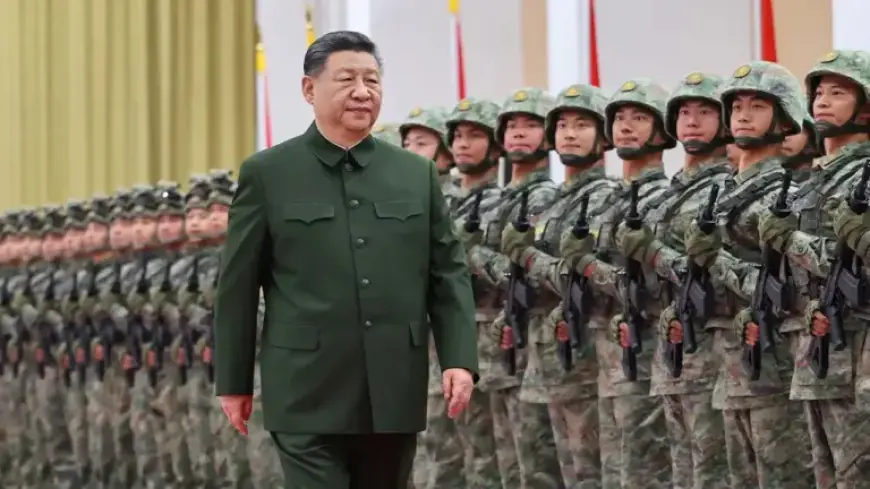
China’s military, notably the People’s Liberation Army, has ramped up its exercises near Taiwan. Recent drills have simulated encirclement and blockade tactics, raising alarms within Taiwan and Washington.
- Chinese vessels and aircraft infringe upon Taiwan’s Air Defense Identification Zone, increasing tensions.
- Chinese President Xi Jinping has not ruled out the use of force to assert control over Taiwan.
U.S. lawmakers noted that the threat from China has intensified, citing military pressure designed to weaken Taiwan’s resistance.
Urgency for Action
The lawmakers also voiced frustration regarding delays in U.S. weapons deliveries to Taiwan, marking it as a priority that must be addressed. They reaffirmed the U.S. commitment to ensuring Taiwan obtains necessary defense capabilities promptly.
The ongoing budget debates in Taiwan hold significant geopolitical implications. Supporters of the proposed defense budget are concerned that inadequate funding may signal weakness to Beijing. Critics, however, advocate for a review of defense spending against domestic needs.
As China continues its aggressive military posture, U.S. lawmakers are clear that both nations must enhance efforts to deter potential aggression from the People’s Republic of China.