
























Republican Criticizes Purdue University for Hiring H-1B Workers

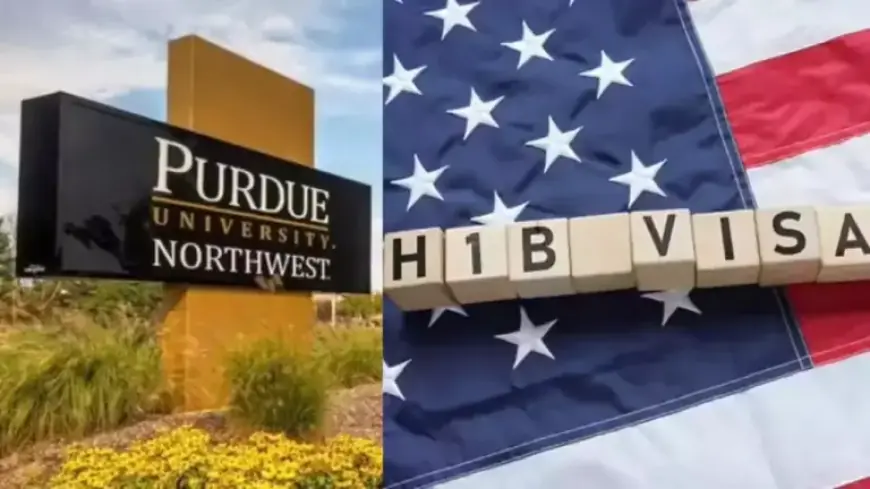
An Indiana Republican lawmaker has expressed strong criticism of Purdue University for its use of the H-1B visa program. The issue centers around the hiring of foreign software engineers while American graduates are available for similar roles.
Criticism of H-1B Visa Hiring Practices at Purdue University
Representative Andrew Ireland took to X to voice his concerns about Purdue’s decision to hire a foreign software engineer on an H-1B visa. The position offers an annual salary of $149,000. Ireland questioned the rationale behind hiring foreigners when the university has educated a substantial number of computer science graduates.
Specific Instances of Concern
- Ireland stated, “Does anyone believe no qualified American could do this job for $149,000 a year?”
- He highlighted that Purdue has produced tens of thousands of computer science graduates capable of filling such roles.
- In a previous instance, he criticized Purdue University Northwest for its decision to hire a foreign assistant professor of marketing at $127,500 annually.
In his January 3 comments, Ireland mentioned the university’s plans to hire a foreigner on an H-1B visa to teach marketing. He questioned the absence of American candidates in the Chicago area who could fulfill this role.
Purdue University’s History with H-1B Visas
Purdue University has actively participated in the H-1B visa program. Data from U.S. Citizenship and Immigration Services (USCIS) reveals that the university filed 265 H-1B Labor Condition Applications in fiscal year 2025, with 258 of those receiving approval.
Broader Implications of H-1B Visa Usage
- The H-1B visa program allows U.S. employers to hire high-skilled foreign workers in specialized occupations, including technology and defense.
- Critics assert that many domestic talents are available in fields like software engineering and marketing, arguing that hiring foreign workers is unfair.
- In fiscal year 2024, 399,395 H-1B petitions were approved nationwide, marking a 3 percent increase from the previous year, with educational institutions receiving 5.6 percent of approvals.
Supporters of the H-1B visa program, including political figures like Donald Trump, argue that it is essential for attracting top global talent. Meanwhile, many “America First” advocates claim that high levels of visa approvals diminish job opportunities and wage potential for American graduates.