

























Stellantis Expands Windsor Plant with Third Production Shift

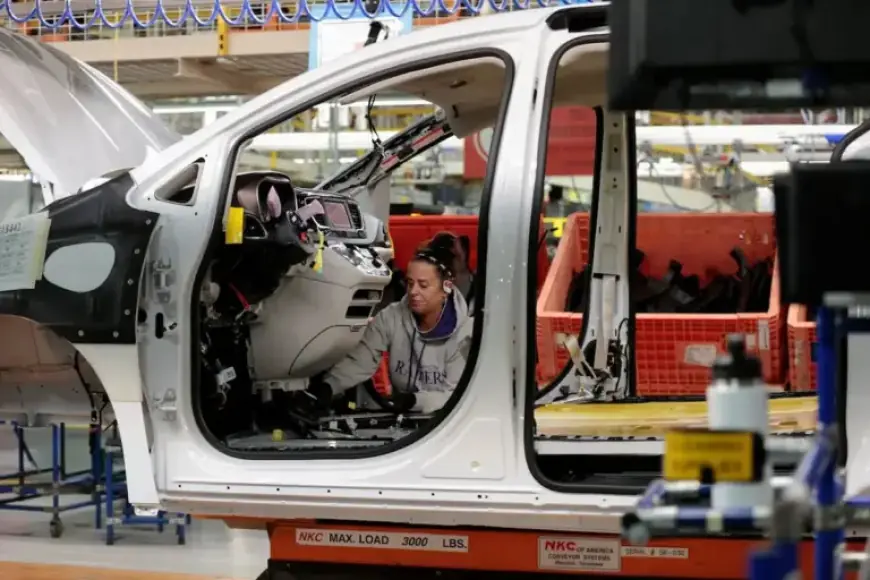
Stellantis is enhancing its Windsor plant by implementing a third production shift, which is scheduled to commence on Tuesday. This shift will add approximately 1,700 jobs, increasing the workforce to around 6,000, including 250 employees relocated from the now-closed Brampton plant.
Expansion of the Windsor Plant
The Windsor facility is responsible for manufacturing several models including the Dodge Charger—both gas and electric versions—and minivans such as the Chrysler Grand Caravan and Chrysler Pacifica. This production boost comes as recent job losses and economic uncertainties have impacted the Canadian automotive sector due to tariffs and fluctuating electric vehicle demand.
Recent Industry Developments
With minivan sales experiencing a 40% increase in Canada and a 21% rise in the U.S. in 2025, Stellantis is responding to changing consumer preferences. CEO Trevor Longley noted that many Canadians are considering minivans as a more practical option, especially as the prices of large SUVs continue to climb.
- Minivan sales in Canada: 43,000 units sold in 2025.
- Sales increase: 40% in Canada, 21% in the U.S.
Challenges Facing Stellantis
The company has faced criticism for its decision to shift Jeep production to Illinois, a move that resulted in the idling of the Brampton plant in 2024 and the laying off of around 3,000 workers. This decision has drawn ire from the federal government, which has indicated potential legal action against Stellantis.
Industry Minister Mélanie Joly has expressed concerns regarding the company’s compliance with an agreement for public funding, which included job retention requirements. There have been discussions about recovering “hundreds of millions” from Stellantis and General Motors, both of which received government support before downsizing.
Future Prospects
Longley mentioned that negotiations with Ottawa are ongoing regarding the future of the Brampton plant. While he has not committed to reopening it, he emphasized the importance of finding a viable solution that benefits the workforce in Brampton.
As Stellantis continues to navigate this precarious landscape, including shifts in U.S. tariffs and the automotive market’s direction, the importance of free trade agreements like the USMCA cannot be understated. The outcome of these negotiations will play a crucial role in shaping the company’s future operations in Canada.