






















Jamal Lewis Among Five Ex-NFL Players Granted Presidential Pardons

President Trump on Thursday night, Feb. 12, 2026 (ET), granted full pardons to five former NFL players, a group that includes Super Bowl winners, a Hall of Famer, and a Heisman Trophy recipient. The clemency wipes away long-settled federal cases and formalizes second chances for athletes who completed their sentences years ago.
Who’s on the list
The pardons were extended to Jamal Lewis, Joe Klecko, Nate Newton, Billy Cannon, and Travis Henry, all of whom had previously served their time. The actions cap legal matters that, in some cases, dated back decades while acknowledging the players’ efforts to rebuild their lives after high-profile prosecutions.
Jamal Lewis: the headline name
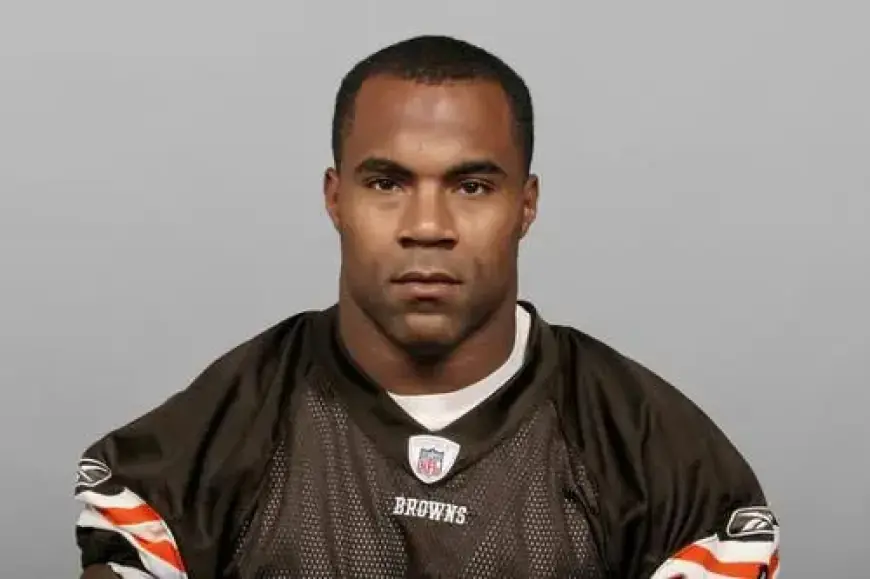
Lewis, 46, was a first-round pick in 2000 and won a championship with Baltimore in his rookie season. He pleaded guilty in 2004 to attempting to arrange a cocaine transaction tied to events months before his first NFL game. He received a four-month federal sentence served between seasons and returned to the field after a two-game league suspension. On the field, Lewis authored one of the greatest rushing campaigns in league history in 2003, piling up 2,066 yards—the third-highest single-season total—and becoming one of only two players ever to rush for at least 295 yards in a game. He played in Baltimore through 2006 and finished his career with Cleveland.
The announcement and the message
The clemency package was made public Thursday night by Alice Marie Johnson, who leads the administration’s clemency outreach. In a social media post announcing the decisions, she framed the pardons as part of a broader belief in redemption, writing that excellence is built on grit, grace, and the courage to rise again, and thanking the president for a continued commitment to second chances.
The move extends a recent run of high-profile clemency decisions that has included defendants from the Jan. 6 prosecutions, figures from the cryptocurrency industry, and current or former lawmakers in the United States and abroad.
The other former players
Joe Klecko, 72, a cornerstone of the New York defensive line in the late 1970s and 1980s, served three months in 1993 after lying to a grand jury investigating staged car-insurance claims. A member of the renowned “New York Sack Exchange,” he was inducted into the Pro Football Hall of Fame in 2023.
Nate Newton, 64, a three-time Super Bowl champion offensive lineman in the 1990s, pleaded guilty in 2002 to drug trafficking after authorities intercepted marijuana shipments exceeding 100 pounds. He was sentenced to 30 months and has since been active in community and media work.
Billy Cannon, the 1959 Heisman Trophy winner who went on to an 11-year professional career, was convicted in 1983 for leading a multimillion-dollar counterfeiting operation. He was released after serving more than two and a half years and died in 2018 at age 80.
Travis Henry, 47, a Pro Bowl running back best known for his years in Buffalo, was sentenced in 2009 to three years in federal prison for financing a cocaine-trafficking ring. He has spoken publicly in the past about personal and financial struggles following his playing career.
What a presidential pardon changes
A presidential pardon forgives a federal offense and can remove certain civil disabilities that follow a conviction, such as limitations on some civic participation. It does not overturn the factual record of a case or address non-federal matters, and it arrives here long after the sentences in question were completed. For the players, the pardons close the legal chapter formally and may carry symbolic weight as they continue public and private endeavors beyond football.
A second act for high-profile names
For Lewis, the pardon caps a complex legacy that intertwines a dominant athletic peak with a legal misstep resolved more than two decades ago. For Klecko, it arrives after his enshrinement in Canton, punctuating a late-career reevaluation that restored him to the sport’s highest honor. For Newton, Henry, and Cannon’s family, the clemency represents an official government imprimatur on redemption narratives long underway. All five cases illustrate how enduring the spotlight can be for athletes—and how the law’s consequences, even after time is served, can linger without the finality clemency brings.