






















Trump Dismantles Crucial US Climate Regulation: What’s Next?

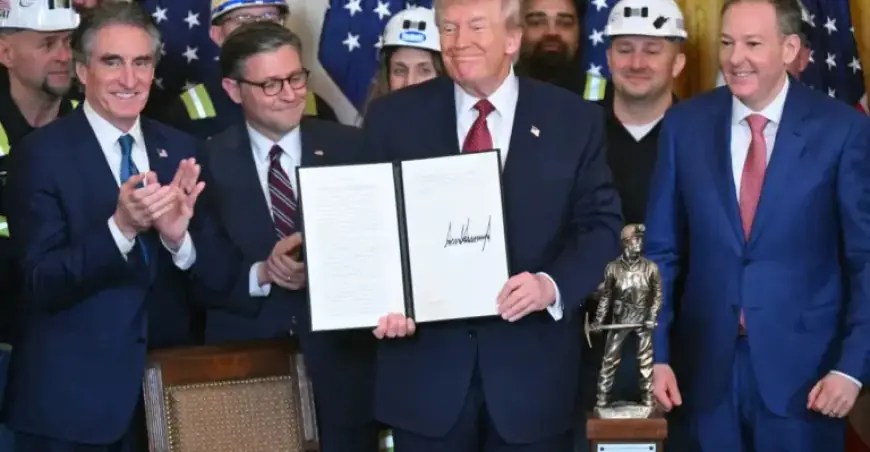
Recent developments have seen a significant shift in U.S. climate policy under the Trump administration. The Environmental Protection Agency (EPA) plans to officially dismantle the endangerment finding for greenhouse gases. This ruling has long served as the backbone for crucial climate regulations aimed at protecting public health.
Endangerment Finding: An Overview
The endangerment finding, established in 2009, determined that greenhouse gases pose a threat to public health. This ruling allows the EPA to regulate emissions from various sources, particularly vehicles. Repealing this finding could lead to the dismantling of vital emission controls on cars and trucks, which are the largest contributors to greenhouse gas emissions in the United States.
Implications of Dismantling the Regulation
The upcoming repeal raises concerns about increased pollution and regulatory uncertainty. It could result in legal challenges and conflicting litigation affecting both industry and environmental advocates. The broader repercussions of this move could extend to other pollution regulations governing power plants and industrial sources, further amplifying the potential environmental impact.
- Background: Established through a Supreme Court ruling in 2007, the endangerment finding has faced numerous legal challenges but remained intact.
- Regulatory Effects: If the repeal is successful, industries may experience newfound legal vulnerabilities, leading to potential lawsuits from communities affected by pollution.
- Future Scenarios: Several outcomes are possible:
- The repeal could be blocked by environmental groups citing weak scientific justification.
- The repeal might stand, opening doors for increased litigation against polluters.
- A shift in political power could lead to reinstatement of the endangerment finding.
Environmental and Economic Concerns
Experts warn that dismantling this regulation could exacerbate health issues linked to air pollution. During Trump’s term, reports indicated that weakening emissions standards could lead to thousands of additional premature deaths and asthma attacks.
Additionally, fluctuations in regulations create uncertainty for industries like automotive and energy. Companies need stability to plan investments and maintain competitiveness, especially as global markets increasingly prioritize climate action.
The Path Forward
The ongoing political tug-of-war over climate regulations underscores a critical need for cohesive legislation addressing greenhouse gas emissions. Changing regulations hinder decisive action against climate change and may prolong adverse health outcomes for Americans.
As the situation unfolds, climate advocates and the broader public continue to emphasize the importance of sustained commitment to effective environmental policies. The next few years will undoubtedly shape the future of climate regulation in the United States.