

























Trump Administration Dismantles Government’s Climate Change Combat Powers

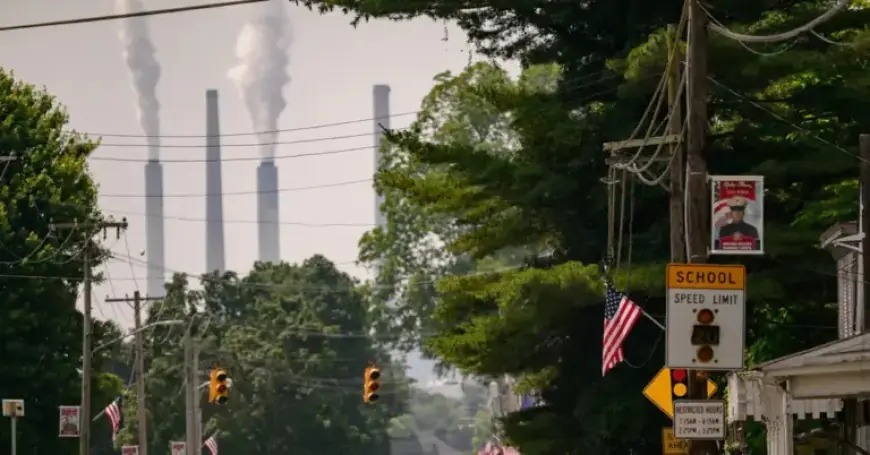
The Trump administration has taken significant steps to dismantle government powers aimed at combating climate change. This shift, announced by President Trump, erases the scientific consensus that climate change poses a threat to public health and the environment. By revoking the endangerment finding, the administration is expected to increase greenhouse gas emissions significantly.
Key Developments in Climate Policy Reversal
On Thursday, President Trump declared the termination of the endangerment finding, a 2009 scientific determination that greenhouse gas emissions endanger Americans’ health. This decision is seen as a major move to eliminate controls on key pollutants, including carbon dioxide and methane. The Environmental Protection Agency (EPA) Administrator Lee Zeldin claimed the repeal represents a historic deregulatory action.
Projected Impact on Emissions
- Repeal of the endangerment finding could add up to 18 billion metric tons of emissions by 2055.
- Expected increase in premature deaths: 58,000 due to pollution.
- Estimated 37 million asthma attacks could occur as a result of increased emissions.
This repeal could lead to more severe climate impacts, including extreme heat and wildfires. Democratic leaders, including California Governor Gavin Newsom, vowed to challenge the administration’s decision legally, emphasizing the potential health hazards connected to increased pollution.
Legal Justifications and Responses
The Trump administration argues that the Clean Air Act limits the EPA’s ability to regulate greenhouse gases. They claim it should only address pollution with immediate harm. However, greenhouse gases accumulate in the atmosphere, causing broader climate impacts.
Environmental leaders have criticized the administration’s rationale. They contend that the rollback ignores decades of scientific findings on climate change’s impacts. Senator Chuck Schumer and Senator Sheldon Whitehouse characterized the decision as detrimental to public health and safety.
Broader Implications for Climate Agreements
This decision comes in light of Trump’s withdrawal from international agreements aimed at reducing greenhouse gas emissions. Under the Paris Agreement, nearly all nations committed to limiting global warming. The U.S. withdrawal places it as the sole nation amongst nearly 200 countries to reject such commitments.
Industry Reactions
While some business groups support the repeal, others have expressed concern. The American Petroleum Institute suggests that federal regulation of methane and carbon dioxide should continue. Many companies have already invested in pollution control technologies.
Future of Climate Policy
The Trump administration’s actions may set a precedent for future regulatory changes. If upheld, the repeal of the endangerment finding could impact subsequent administrations’ ability to enforce climate regulations. It marks a significant shift in how the U.S. approaches climate policy at a time when scientific evidence overwhelmingly supports the need for action.
In conclusion, the Trump administration’s move to dismantle climate change combat powers signals a pivotal shift in U.S. environmental policy. This action raises concerns about public health and climate stability as global temperatures continue to rise.