
























NBA Overhaul: Eliminate Draft to Stop Tanking

The NBA is facing a significant challenge with the issue of tanking, a practice that can undermine competitive integrity. Over the past few weeks, evidence of this trend has become increasingly apparent, igniting discussions around potential reforms. As the All-Star break approaches, teams like the Utah Jazz are under scrutiny for their decisions that seem designed to enhance their draft positions.
NBA Tanking: A Problem in Plain Sight
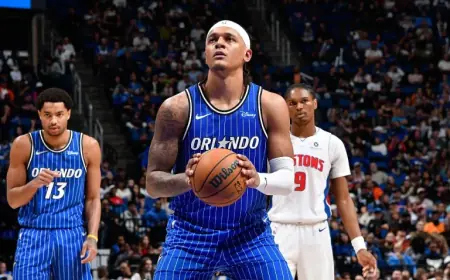
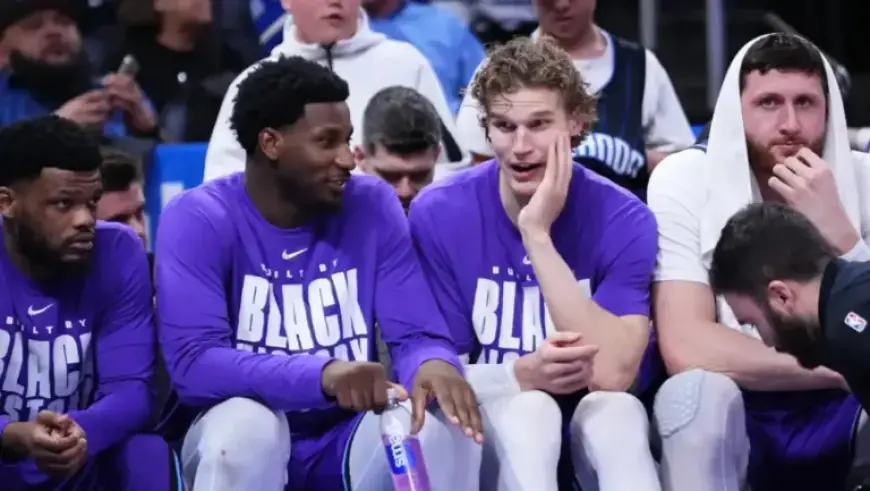
The Utah Jazz’s recent actions shocked many fans. The team, equipped with All-Star Jaren Jackson Jr. and star Lauri Markkanen, rested its players in a critical game against the Orlando Magic. Despite leading after three quarters and with both players on fire, the Jazz ultimately lost, raising suspicions about their motives. Such strategies indicate a deliberate attempt to tank for better draft picks.
The Impact of Tanking
Several teams have followed suit, as the trade deadline influenced clubs to acquire future stars while compromising this season’s performance. Noteworthy moves included:
- The Washington Wizards acquiring Anthony Davis yet sidelining him for the season.
- The Pacers trading for Ivica Zubac, only to bench him due to an ankle issue.
As the remainder of the season unfolds, at least ten teams are likely to prioritize losing as they aim for higher draft positions. Unfortunately, this may lead to many unwatchable games and the sidelining of entertaining players, resulting in a negative experience for fans.
Reassessing the NBA Draft System
Critics argue that the league’s tanking issue stems not from team strategy but from a flawed ownership and systemic structure. The current NBA draft system incentivizes losing to secure higher picks, creating a cyclical problem. Abolishing the draft could be a decisive solution. If players could choose their teams, franchises would have to become appealing destinations to attract talent.
The Arguments Against Tanking
Detractors of abolishing the draft fear it would lead to a concentration of talent in major markets like Los Angeles. However, free market principles suggest that players might still diversify their choices based on team culture, potential for playing time, and winning aspirations.
Potential Outcomes of Changing the System
Without a draft, teams would likely invest in creating a winning culture, improving their chances of attracting top rookies. Historical examples illustrate how organizations like the San Antonio Spurs and Golden State Warriors have established themselves as desirable locations through consistent success and positive environments.
Future Considerations
The broader question remains whether teams can strategically rebuild without concentrating on multiple top draft picks, as seen with franchises like the Boston Celtics. Players may inevitably face challenges when integrating into rosters filled with top talent. Yet a draftless system may cultivate a stronger league overall, encouraging teams to prioritize success over strategic losing.
Despite the challenges, owners remain invested in the current format that allows for a lucky lottery draw without demands for skilled management. Until the league reevaluates its foundational systems, tanking will remain a significant issue. Ultimately, teams may need to choose between the allure of securing a future star or delivering an exciting product on the court.
As discussions continue, fans and analysts alike ponder the impact of such changes on the league’s integrity and its future direction.