
























Verstappen Critiques F1 2026 Car as ‘Anti-Racing’

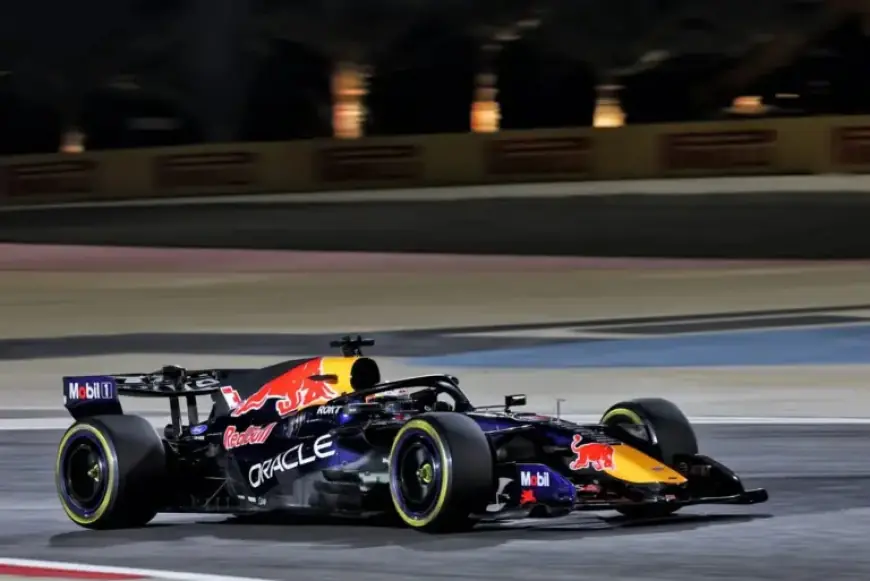
Max Verstappen has expressed strong criticism of the energy management requirements in the new Formula 1 cars set for 2026. He described the experience as “anti-racing,” likening it to “Formula E on steroids.” This comes as a response to the latest rules emphasizing energy recovery, mandating cars to balance almost equally between internal combustion engines and electric power.
Energy Management in the 2026 F1 Cars
The 2026 regulations introduce significant changes in energy management. The car’s energy balance now necessitates extensive strategies like:
- Lifting and coasting
- Aggressive downshifting
- Selective gear usage
- Engine clipping to pause electric power
Verstappen noted that during a race stint, these energy constraints result in cars that are “not a lot of fun.” He emphasized that such energy-saving tactics dominate races, similarly to those seen in Formula E, where efficiency takes precedence over pure racing.
Verstappen’s Perspective as a Driver
A four-time world champion, Verstappen articulated the driving challenges posed by these new rules. He stated, “It feels like I cannot drive flat-out. There’s a lot going on.” He believes the emphasis on energy management detracts from the essence of Formula 1, suggesting that the thrill of racing is being sacrificed for technical requirements.
Verstappen commented, “A winning car doesn’t matter if it’s not enjoyable to drive.” He also noted his exploration of opportunities outside Formula 1, revealing his frustration with the direction of the sport and hinting at the possibility of leaving once his current contract with Red Bull expires in 2028.
Comparative Handling of the 2026 Cars
The new 2026 cars, which are slightly smaller and lighter, have different handling characteristics than their predecessors. While some drivers appreciate the improved responsiveness, many find that the grip is reduced:
- Less grip due to new tire configurations
- Changes in ground-effect dependency affecting handling
Verstappen noted the need for simpler driving experiences, stating that overthinking braking and gear selection drastically influences performance. He lamented the loss of enjoyment associated with traditional racing dynamics.
Future Outlook
Despite the challenges posed by the new regulations, Verstappen’s Red Bull team has made a promising start. They have been recognized as a benchmark by teams powered by Mercedes, even with Mercedes’s longstanding reputation for performance.
In conclusion, Verstappen’s frank assessment of the 2026 car regulations underscores a critical perspective on the future of Formula 1. As the sport embraces these new challenges, Verstappen’s insights may spark further discussions on the essence of racing and the balance between technology and pure driving enjoyment.