

























Rebecca Makonnen and ICI Première Apologize to Author Elizabeth Lemay After Radio Clip Backlash

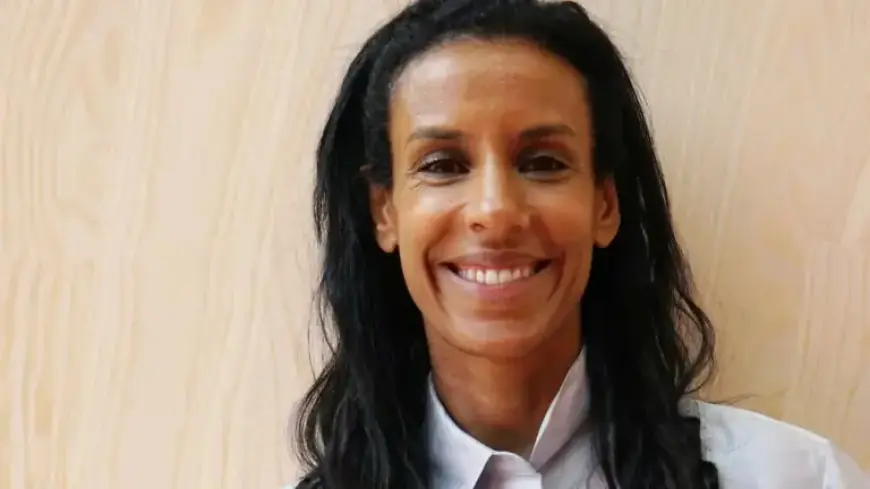
Rebecca Makonnen, a prominent host on ICI Première, has publicly apologized to author Elizabeth Lemay following backlash from a radio segment. This comes after a clip from the show De l’huile sur le feu prompted significant online criticism.
Background of the Controversy
During a recent episode, specifically in the segment titled “C’est Chaud,” Lemay discussed the “crisis of male loneliness.” She expressed that this issue signifies the emancipation of women. Lemay stated, “When men feel alone, they radicalize and become fascists.” She also highlighted rising aggression against women online, including deepfakes and various forms of harassment.
The clip quickly garnered attention on social media, leading to a surge of both supportive and hostile reactions directed at Lemay. In response to the uproar, Makonnen expressed her distress over the hatred aimed at Lemay on her social platforms.
Public Apology and Response
In her statement, Makonnen admitted the rapid dissemination of the audio excerpt lacked prior consultation with her. She emphasized the need for accountability regarding the violent climate created by such circumstances. Makonnen stated, “I feel powerless. I take my share of responsibility and publicly apologize to Elizabeth. I am sincerely sorry.”
After the segment aired, Lemay received numerous supportive messages but also faced a wave of hateful comments. The online backlash led Makonnen to discuss the incident with the ICI Première management, seeking clarity and an acknowledgment of the created atmosphere.
Reactions from ICI Première
In an official statement on their Facebook page, ICI Première expressed regret over the social media posting of the controversial excerpt. They clarified that this action does not diminish Lemay’s contributions. The channel reiterated that the full segment remains accessible on Radio-Canada OHdio, highlighting the importance of context in understanding Lemay’s commentary.
The statement further explained, “A segment of this nature requires complete listening to capture all nuances. Our social media publication did not accurately reflect the context or the entirety of Ms. Lemay’s statements.” This acknowledgment has sparked varied opinions among listeners, with some deeming the excerpt’s removal “deplorable,” while others stress the need for nuanced discussions about such sensitive topics.
Conclusion
This incident underscores the delicate balance between public discourse and the potential repercussions of media snippets. As the conversation continues, both Rebecca Makonnen and Elizabeth Lemay navigate the complexities of their respective roles in today’s charged social climate.