

























Edmonton Infill Debate Concludes; City Council Awaits Final Decision

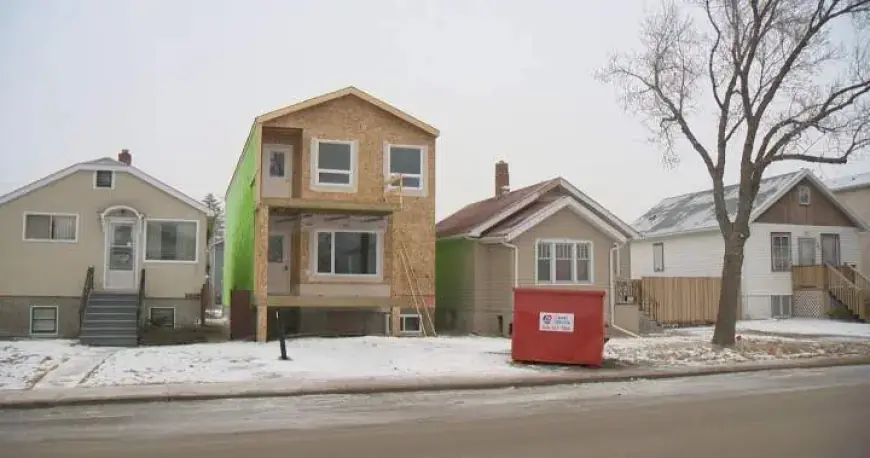
The recent debate regarding Edmonton’s residential zoning regulations has highlighted the complexities surrounding infill development in the city. Over the course of two days, the urban planning committee heard from approximately 70 speakers who expressed their views on proposed amendments to these regulations.
Key Changes to Infill Development Regulations
Edmonton’s city council is considering amendments that could significantly impact infill housing. Proposed changes include:
- Reducing the maximum number of units allowed midblock from eight to six.
- Increasing the minimum size requirements for units.
These modifications aim to address concerns raised by both residents and developers, although opinions on the changes vary widely.
Varied Perspectives on Infill Development
Councilor Aaron Paquette acknowledged the diverse arguments surrounding the amendments. He emphasized the importance of considering both factual data and residents’ emotional responses to neighborhood changes. The challenge lies in balancing the city’s increasing demand for affordable housing with the worries of current homeowners.
During discussions, concerns were voiced about potential impacts on property values, available parking, and overall quality of new developments. Paquette noted that Edmonton is experiencing a significant population influx, further complicating these issues.
Impact on the Development Community
Representatives from Edmonton’s development community raised alarms that further restrictions could hinder profitability. This, in turn, could lead to increased costs for infill housing, exacerbating affordability issues.
Homeowners in mature neighborhoods are particularly concerned, suggesting that even a reduction in unit numbers doesn’t necessarily lead to smaller or less intrusive buildings. Kathy Hawksworth, from the Residential Infill Working Group, remarked on how larger developments could diminish privacy and sunlight access for adjacent properties.
Seeking Collaborative Solutions
Many speakers from the Residential Infill Working Group emphasized the need for thoughtful integration of multi-family housing in existing neighborhoods. Beverly Zubot expressed a desire to work with city officials and developers to find solutions that accommodate both new housing and current residents’ needs.
Proposed solutions included:
- Aligning new development setbacks with existing homes.
- Creating building patterns that incorporate landscaping and natural light.
- Limiting unit distribution to reduce the massing effect of new developments.
Some residents argued for retaining current zoning rules, which they believe have effectively fostered affordable housing while maintaining community integrity.
Next Steps for Edmonton’s Infill Debate
As the urban planning committee wraps up its discussions, the debate surrounding Edmonton’s infill regulations is set to continue at the city council level. A public hearing will commence, allowing for further community input on these contentious issues.
In 2023, Edmonton had already revised its zoning bylaws to promote multi-unit buildings across neighborhoods, aiming for more diversified residential development. The reaction to these changes has been mixed, making infill development a pivotal topic as Edmonton prepares for future municipal elections.