





















Manchester United Fan Haircut Saga Resets Again After Draw, Turning a Viral Stunt Into a Real-Time Barometer of Form

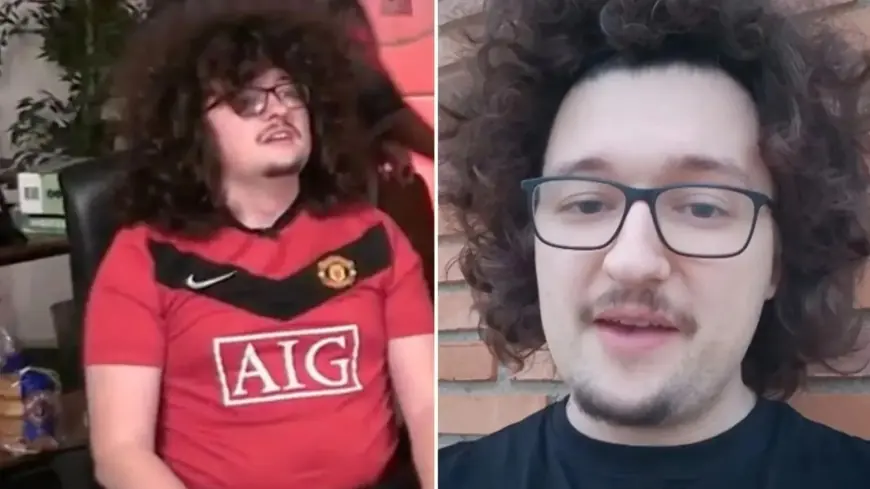
A Manchester United fan’s long-running “no haircut until five straight wins” challenge has become one of the strangest side plots of the season, and this week it took another turn after a draw wiped out his chance to finally visit the barber.
Frank Ilett, known online as “The United Strand,” has gone more than 500 days without cutting his hair, sticking to a pledge he made in October 2024: he would not get a trim until Manchester United won five consecutive matches in all competitions. United entered the midweek match one win short, only for a late equalizer to force a 1–1 draw and reset the countdown.
The result left Ilett exactly where he has been for months: close enough to believe, far enough away to keep the challenge alive and the hair growing.
What happened: one match, one reset, and a haircut postponed again
The latest chapter played out in familiar fashion. Manchester United had built a run of four straight wins, pushing the team within touching distance of the fifth victory that would end Ilett’s self-imposed haircut ban. When the match ended level, the streak snapped and the rules of the challenge kicked in: no fifth win, no scissors.
Online, the reaction was immediate. The haircut story has become a kind of unofficial scoreboard for a portion of the fanbase, and the draw produced a new wave of posts riffing on the same punchline: the barber appointment stays “canceled,” the hair stays “unclaimed,” and the wait continues.
That feedback loop has been amplified by rival fans and even opposing players, with social media accounts leaning into the humor of a delayed trim as a way to needle United supporters after a frustrating result.
Behind the headline: why a haircut became a proxy for pressure
On the surface, it is a fan stunt. Underneath, it is a neat example of how modern sports attention works.
The incentives are clear. United games generate huge engagement, and a simple, visual story with a clear rule is easy to follow even for casual viewers. Every match becomes a yes-or-no checkpoint, and every setback creates a fresh twist. For Ilett, the challenge offers community, identity, and a platform. For other fans, it is comic relief. For rivals, it is a ready-made piece of banter.
For the team and coaching staff, it is different. Players are chasing results, not viral narratives, and anything that frames matches as a “haircut decider” can feel like a sideshow. That tension explains why the story keeps popping up but rarely gets embraced inside football operations.
Stakeholders: who benefits, who gets dragged, and who is watching
The most obvious stakeholder is Ilett himself, who has built a large following around the challenge. He has also tied it to charity, saying he plans to donate his hair once the streak finally arrives. That philanthropic angle has helped keep the tone light, and it offers a tangible “why” beyond internet fame.
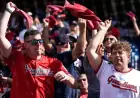
Manchester United supporters are stakeholders too, because the story has become a shared ritual. Some enjoy it as a harmless in-joke. Others view it as an irritation or a distraction, especially during a season where every dropped point carries consequences for league position and broader ambition.
Club legends and prominent voices are another stakeholder group because they get asked about it constantly. A recent blunt reaction from a former United star highlighted the split: the haircut saga is funny until it becomes inescapable.
Meanwhile, rivals benefit from a low-effort way to needle United, particularly after draws and losses. The story is tailor-made for trolling: it is visual, repeatable, and tied to results that already provoke emotion.
What we still don’t know
There are a few missing pieces that will determine whether this remains a quirky footnote or becomes a bigger cultural moment:
Whether the next run of fixtures sets up another “one win away” scenario quickly or drags the saga out for weeks
How long Ilett is willing to extend the challenge if United remain inconsistent
Whether the story continues to be channeled toward charity or shifts toward pure content and monetization
Whether escalating attention creates more backlash at matches or online, which could change how Ilett engages publicly
What happens next: realistic scenarios and triggers
Scenario 1: United hit five straight wins soon
Trigger: a clean run of results against upcoming opponents, with rotation and injuries managed well.
Outcome: haircut happens, hair donation follows, story ends on a feel-good note.
Scenario 2: The cycle repeats with another late slip
Trigger: a draw or loss arrives at four wins again.
Outcome: the saga extends, and the joke hardens into frustration for parts of the fanbase.
Scenario 3: Ilett adjusts the rules
Trigger: sustained inconsistency makes the goal feel unreachable.
Outcome: he may revise the target, pause the challenge, or shift to a different milestone while keeping the charity component.
Scenario 4: The attention turns sour
Trigger: increased harassment or incidents around games.
Outcome: he reduces public visibility, limits live content, or distances the challenge from matchday settings.
Why it matters
A “Manchester United fan haircut” story should not carry weight, but it does because it taps into something real: how supporters cope with uncertainty. In a season where consistency is the hardest currency to earn, a single fan’s uncut hair has become a running metaphor for the wait, the hope, and the constant resetting of expectations.
For United, the only true resolution is results. For everyone else, the next chapter arrives with the next whistle, and the barber chair remains empty until the fifth win finally comes.