

























Essential Insights for Homeowners on Smart Home Cameras

Recent developments surrounding smart home cameras have raised significant concerns among homeowners regarding privacy and data security. This follows Amazon’s release of an ad during the Super Bowl that promoted a new A.I.-powered “Search Party” feature for its Ring cameras, designed to help locate lost dogs. While the feature seemingly serves a benign purpose, it has provoked widespread criticism from political figures and social media users alike.
Understanding Smart Home Cameras
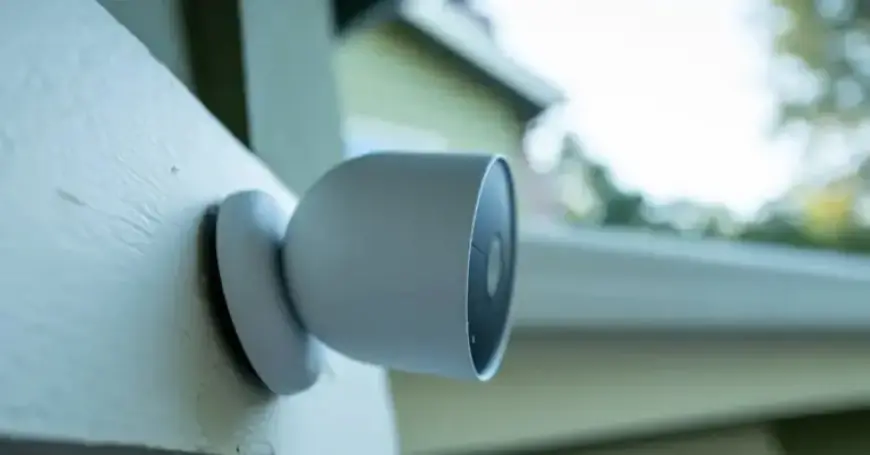
Smart home cameras provide a convenient solution for monitoring visitors, pets, and package deliveries. However, different models offer varying features in terms of video storage and data accessibility.
- Local Storage: Some cameras store footage on the device itself or in a home hub, enhancing data security but imposing limits on storage and advanced functionalities.
- Cloud Storage: Other models allow video to be saved in the cloud, enabling access even if the physical device is lost or damaged.
Privacy Concerns and Legal Issues
The question of privacy emerges prominently when discussing how footage from smart cameras is handled. Companies like Ring and Google Nest may be legally required to share recordings under specific circumstances, such as with subpoenas or search warrants.
In many cases, law enforcement can request both outdoor and indoor camera footage. An alarming statistic from Amazon’s biannual report indicates that, in a recent period, Ring received over 2,276 search warrant requests, sharing content in more than 1,000 instances. Alarmingly, only a fraction of users were notified about these shares.
The Controversy Surrounding Ring’s “Search Party” Feature
The “Search Party” feature of Ring’s cameras employs A.I. to scan neighborhood footage to find lost pets. While the feature’s intention may be compassionate, it has sparked fears over mass surveillance. Prominent voices from both the Democratic and Republican parties have voiced their disapproval. Senator Edward J. Markey highlighted the surveillance implications, while right-wing commentator Stephen L. Miller expressed similar concerns.
Critics argue that this technology leans towards dystopian practices of monitoring, raising the question of how often and under what circumstances homeowners’ footage may be accessed without their consent.
Taking Control of Your Data
Homeowners can take certain steps to secure their smart camera data. While manufacturers are integral to data safety, individuals also bear responsibility. To enhance security:
- Enable two-factor authentication.
- Use strong, unique passwords.
- Implement end-to-end encryption if available.
Such measures can prevent unauthorized access from hackers or even employees of the camera companies, though they may limit access to features like live streaming and shared content.
Conclusion: Balancing Utility and Privacy
As smart home cameras continue to evolve, homeowners must carefully consider the implications of installing these devices. The balance between the convenience they offer and the potential risks to privacy and data security is vital. By staying informed and implementing security measures, homeowners can better protect their information in this increasingly interconnected world.