

























Plane Misses Turbulence Warning: Flight Attendants Seriously Injured

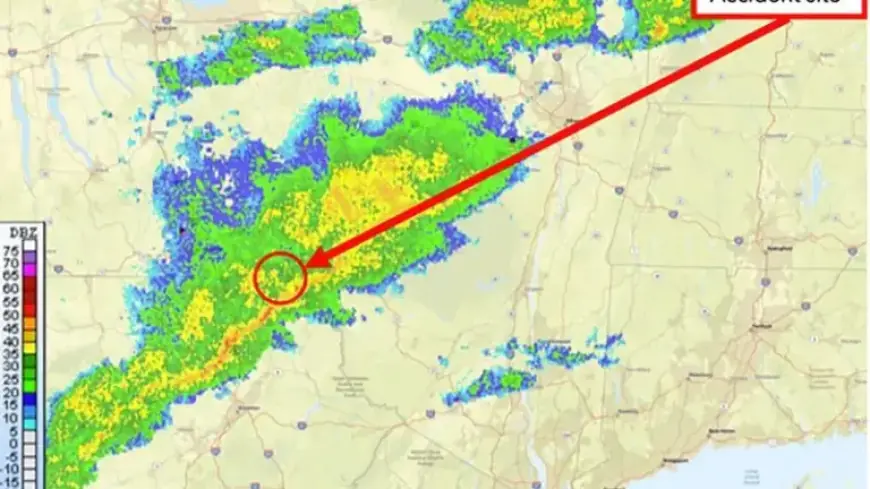
In a recent investigation by the National Transportation Safety Board (NTSB), it was revealed that United Airlines Flight 1890 experienced serious turbulence, which led to severe injuries among flight attendants. The incident took place on February 10, 2024, as the aircraft descended towards Newark Liberty International Airport from Los Angeles.
Incident Overview
During the flight, the Boeing 777 encountered unstable air conditions. Despite forecasts of thunderstorms in the vicinity, the plane’s radar and electronic instruments did not alert the pilots to any significant turbulence along their descent route. This oversight contributed to the turbulence-related injuries.
Turbulence Warning Not Received
Three minutes before the United flight hit turbulence, another aircraft reported “moderate turbulence” to air traffic control. However, this critical information was not relayed to Flight 1890. The NTSB noted that the controller responsible for disseminating this warning failed to acknowledge it, violating Federal Aviation Administration (FAA) protocols.
Injuries and Impact
The situation escalated rapidly as the fasten-seatbelt sign was illuminated and flight attendants were conducting final cabin checks. Suddenly, the aircraft dropped and then violently pitched upward. The turbulence changed wind speeds by nearly 75 miles per hour over a 4,000-foot descent.
- One flight attendant was thrown to the ceiling, resulting in a fractured spine.
- Two other flight attendants were injured; one suffered a shattered femur and crushed vertebrae, while the other experienced facial lacerations and bleeding in the brain.
- Passengers, including a baby on a lap, were also impacted, leading to several injuries.
This incident serves as a critical reminder of the importance of effective communication between air traffic control and pilots to ensure passenger and crew safety during flights. The NTSB’s findings highlight potential gaps in reporting turbulent conditions that could lead to future safety measures in aviation.