

























Tara Lipinski Update: Olympic Analyst Pushes Back on Parenting Criticism as Milan-Cortina Coverage Intensifies

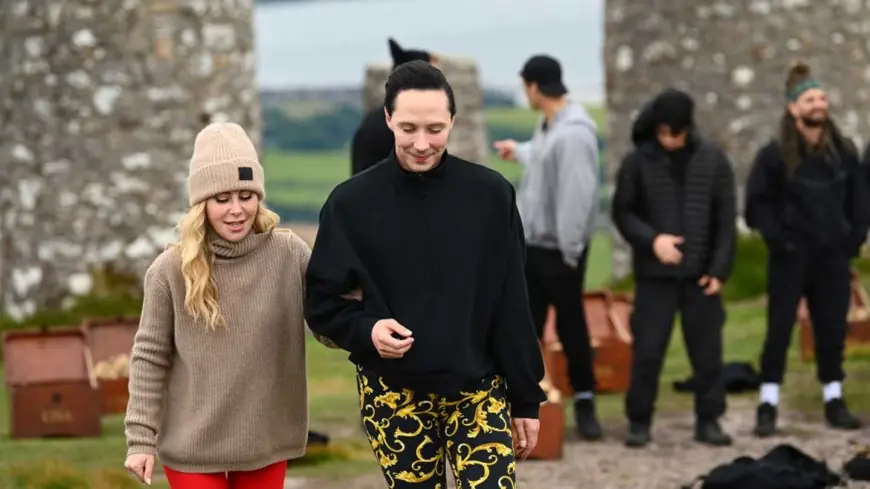
Tara Lipinski is back in the center of the Winter Games conversation this week, not for a jump layout or a judging debate, but for a blunt message about motherhood and work. In recent days, the Olympic champion and longtime figure-skating analyst addressed criticism over bringing her young daughter with her while covering the 2026 Winter Olympics in Milan-Cortina, framing the decision as both practical and non-negotiable for a working parent on a global assignment.
The moment has quickly turned into a larger storyline around who gets to take up space in elite sports broadcasting, what audiences expect from women on-air, and how public figures manage family life in real time under a microscope.
What happened with Tara Lipinski’s message
Over the past few days, Lipinski publicly responded to comments questioning why her toddler was accompanying her during Olympic coverage. Her point was straightforward: parenting does not pause because a major event is on the calendar, and families make the choices they need to make to keep careers and caregiving functioning.
The message landed because it cuts across two highly visible worlds at once. The Olympics magnify everything, and figure skating commentary is already a high-attention lane. Add a parenting decision, and the story becomes less about sport and more about culture.
Why this became a headline now
The Winter Olympics create an unusual pressure cooker. Broadcast schedules are relentless, travel days are long, and on-air teams often work early mornings and late nights for weeks. For parents of small children, the logistics can be brutal: childcare availability, time zones, and emotional strain collide all at once.
This is why Lipinski’s pushback resonated beyond skating fans. Her stance reflects a modern reality that many workplaces still treat like an exception: caregiving is part of life, and the only way some people can accept big assignments is by integrating family into the plan rather than outsourcing it entirely.
Behind the headline: incentives and stakeholders
Several incentives are driving the noise around this story.
Audience expectations are one. Viewers often want polished, distraction-free performance, even when the performance is happening inside a human life. That expectation can be harsher for women, where professionalism is sometimes judged through a narrower lens.
Brand incentives are another. Olympic coverage thrives on personality, authenticity, and social buzz. Personal moments can humanize talent and deepen viewer connection, but they also invite backlash. For the broadcaster, it is a balancing act: encourage relatability without turning a family into content.
Then there is the personal incentive. Lipinski has built a second career based on credibility and preparation. Publicly defending a private choice is risky, but it also signals boundaries. In a crowded attention economy, clarity can be protective.
Stakeholders include Lipinski and her family, the production team that relies on her performance, the skating community that is sensitive to commentary tone, and viewers who are split between empathy and skepticism. Even other on-air talent has a stake, because norms set during the Olympics often ripple into future coverage decisions.
What we still do not know
The public sees the message, but not the full logistics. Key details remain private, including childcare arrangements, day-to-day scheduling, and what protections are in place to keep a child away from intense production environments.
We also do not know whether this was a one-off response or a deliberate signal that Lipinski plans to be more outspoken about the realities of motherhood in high-profile sports media. The next few days of coverage will show whether the topic fades or becomes a recurring thread.
Second-order effects: what this changes in sports media
A seemingly personal decision can have institutional consequences.
If the response is widely supported, it can normalize family-inclusive travel for major assignments and reduce stigma for other parents in sports production roles. If the backlash grows, it can push networks to tighten rules or discourage transparency, which often harms the very people trying to balance work and caregiving.
There is also a credibility risk in either direction. Over-personalizing the story can distract from Lipinski’s analysis and the athletes’ performances. Over-policing it can make coverage feel out of touch with modern life. The healthiest outcome is that the conversation stays focused on skating while acknowledging that elite workforces include parents.
What happens next: realistic scenarios and triggers
Here are the most likely next steps as the Games continue, with clear triggers.
A short-lived flare-up that fades back into sport
Trigger: skating storylines dominate, and Lipinski chooses not to revisit the topic.
A broader debate about parenting in broadcasting
Trigger: more on-air talent or athletes publicly share similar choices, expanding the frame.
A policy conversation inside production teams
Trigger: sustained attention prompts behind-the-scenes discussions about travel support, childcare options, or security protocols.
A reputational pivot for Lipinski
Trigger: her message becomes part of a larger public identity as an advocate for working parents.
Why it matters
Tara Lipinski’s update matters because it sits at the intersection of elite performance and ordinary life. The Olympics are built on extremes: extreme skill, extreme pressure, extreme visibility. Parenting is the opposite: persistent, daily, and often invisible until a moment forces it into view.
In the near term, Lipinski’s work will still be judged primarily on the quality of her skating analysis. But her message has already done something else: it made the hidden logistics of high-level careers briefly visible, and it challenged the idea that professionalism requires pretending the rest of life does not exist.