






















Kennedy Center Chief Discloses Insights on Trump’s Shutdown

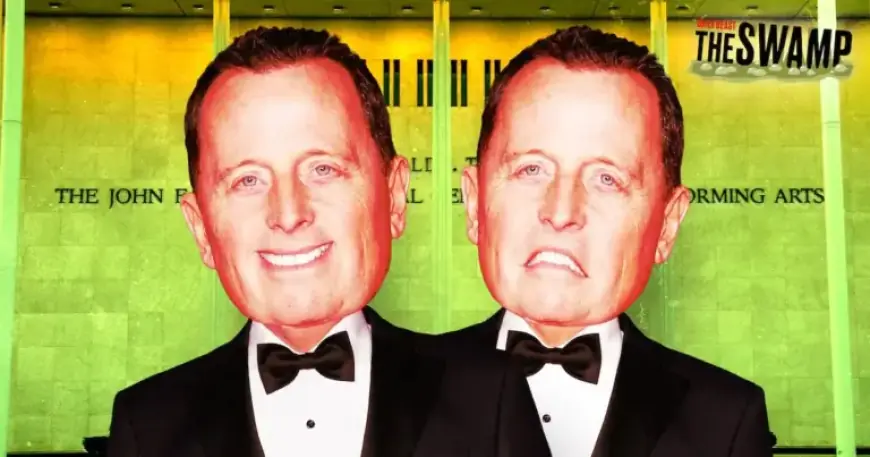
Recent developments have emerged regarding the future of the John F. Kennedy Center for the Performing Arts. Donald Trump announced that this prestigious venue will undergo a two-year closure, a surprise decision that has reverberated through Washington, D.C.
Kennedy Center Closure Details
Insiders report that Trump’s announcement caught many off guard, including Ric Grenell, the newly appointed president of the Kennedy Center. According to insiders, nearly everyone involved was unaware of the impending closure.
- The closure blindsided staff and artists, leading to widespread dismay.
- Supporters of the arts, including acclaimed musician Ben Rector, have withdrawn from scheduled performances.
- The National Symphony Orchestra had to postpone its highly anticipated “American Promise” world premiere due to low ticket sales.
Impact on Artists and Events
The fallout from this closure is evident. Renowned soprano Renée Fleming, composers Philip Glass and Stephen Schwartz, and actress Issa Rae are among those who have pulled out of performances. The situation casts a shadow over Grenell’s leadership and has raised concerns about the institution’s future.
Critics describe the shutdown as an attempt to control narratives surrounding federal funding and arts management. As artists cancel contracts and new bookings dwindle, the Kennedy Center’s cultural impact appears to diminish.
Labor Relations and Future Directions
Reports indicate that the management shift at the Kennedy Center signals a potential move toward a more commercial model. This approach might diminish labor protections and establish a workforce with fewer rights. Sources suggest this strategy coincides with upcoming negotiations involving professional labor unions at the facility.
The Kennedy Center, once a symbol of national culture, now stands in stark contrast to its former prestige, as politics increasingly encroaches on the arts.
Community Response and Final Thoughts
As uncertainty looms, staff morale has hit a low point, reflecting broader concerns about investment in the arts. The shutdown, triggered by Trump’s directive, marks a turning point for an institution that has historically enjoyed strong support from both the public and private sectors.
The Kennedy Center’s future remains unclear, with ongoing discussions emphasizing the need for transparency and a commitment to cultural vitality.